
From ancient marvels built by the world’s earliest civilizations to the modern masterpieces that inspire millions today, the 7 Wonders of the World represent humanity’s greatest architectural and engineering achievements. In this guide, we’ll explore both the Old 7 Wonders of the World—from the Great Pyramid of Giza to the Hanging Gardens of Babylon—and the New 7 Wonders of the World, such as the Great Wall of China and Machu Picchu.
Whether you’re curious about what are the 7 wonders of the ancient world or what are the new 7 wonders of the world, this comparison reveals how human creativity, faith, and ambition have shaped our shared heritage. Discover where the 7 wonders of the world are located, what makes each one unique, and how they continue to capture our imagination across centuries.
Ancient vs. New Seven Wonders of the World
| Ancient Seven Wonders | Location | New Seven Wonders | Location |
| Great Pyramid of Giza | Egypt | Great Wall of China | China |
| Hanging Gardens of Babylon | Babylon (modern Iraq) | Petra | Jordan |
| Statue of Zeus at Olympia | Olympia, Greece | Christ the Redeemer | Rio de Janeiro, Brazil |
| Temple of Artemis at Ephesus | Ephesus, Turkey | Machu Picchu | Peru |
| Mausoleum at Halicarnassus | Bodrum, Turkey | Chichen Itza | Mexico |
| Colossus of Rhodes | Rhodes, Greece | Colosseum | Rome, Italy |
| Lighthouse of Alexandria | Alexandria, Egypt | Taj Mahal | Agra, India |
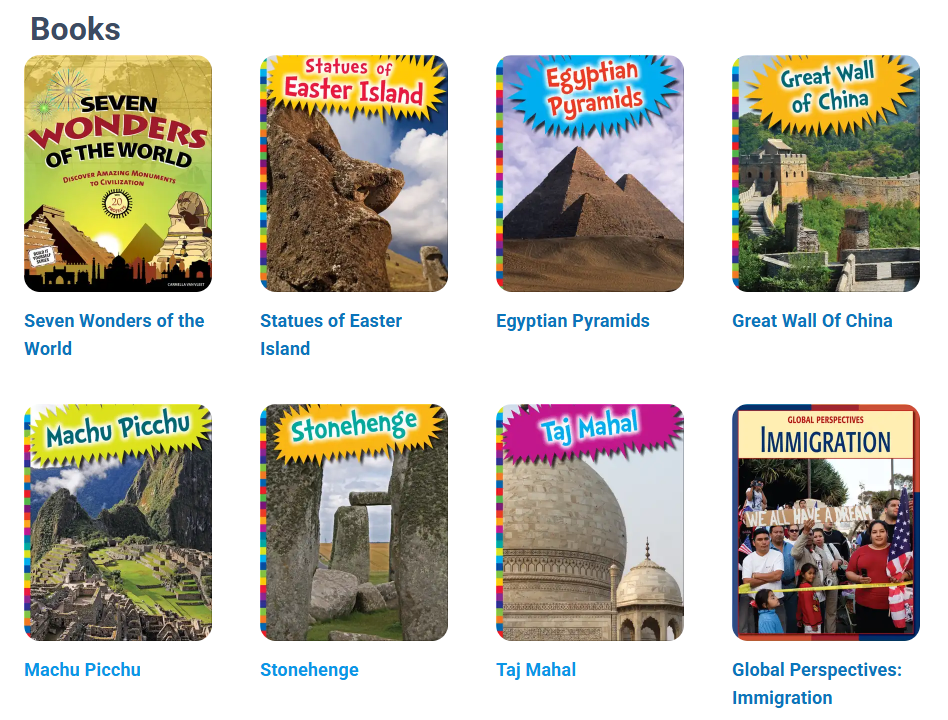
People everywhere are fascinated by these world wonders. Ancient writers such as Strabo and Pliny the Elder admired their remarkable design, and travelers like Ibn Battuta visited the ruins centuries ago. Today, you can discover the stories behind the 7 Wonders of the World with Epic’s World Wonders collection. This collection uses engaging books and videos to spark curiosity and inspire a love of learning about these incredible world wonders.
What are the Old 7 Wonders of the World?
Before you read about each wonder, look at this table. It lists the names, places, and time periods for the 7 Wonders of the World from ancient times:
| Name | Location | Historical Timeframe |
| Great Pyramid of Giza | Giza, Egypt | 2580 – 2500 BCE |
| Hanging Gardens of Babylon | Babylon (exact location unknown) | c. 600 BCE |
| Statue of Zeus at Olympia | Olympia, Greece | 5th century BCE |
| Temple of Artemis at Ephesus | Selcuk, Turkey | c. 550 BCE |
| Mausoleum at Halicarnassus | Bodrum, Turkey | c. 350 BCE |
| Colossus of Rhodes | Rhodes, Greece | 292 – 280 BCE |
| Lighthouse of Alexandria | Alexandria, Egypt | c. 280 AD |
You might ask which wonders are still here today. Here is a quick summary:
| Wonder | Status | Evidence of Destruction/Existence |
| Great Pyramid of Giza | Still exists | The only wonder still standing today, constructed around 2560 BC. |
| Mausoleum of Halicarnassus | Destroyed | Destroyed by an earthquake in the Medieval Era. |
| Colossus of Rhodes | Destroyed | Fell after an earthquake in 226 BC. |
| Statue of Zeus | Destroyed | Lost in a fire in 426 AD. |
| Lighthouse of Alexandria | Destroyed | Finally toppled in 1323 AD. |
| Temple of Artemis | Destroyed | Destroyed in the 3rd century AD. |
| Hanging Gardens of Babylon | Existence debated | No archaeological evidence confirming their existence. |
Great Pyramid of Giza
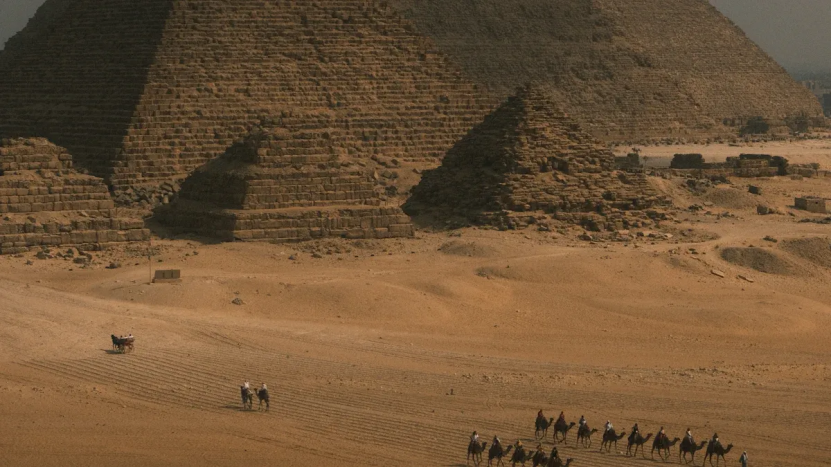
The Great Pyramid of Giza is in Egypt. It is the oldest and only wonder left from the original 7 Wonders of the World. It was built between 2580 and 2500 BCE as a tomb for Pharaoh Khufu. The pyramid is over 480 feet tall and once had smooth white stones on the outside.
Workers planned carefully to move big stones from far away. They used the Nile River and canals to float granite and wood. In 2013, archaeologists found old papyri that told about the teams who built the pyramid. These records show the workers were very skilled and organized. Some scientists found that the pyramid’s casing stones have special chemicals, which makes the building even more interesting.
Hanging Gardens of Babylon
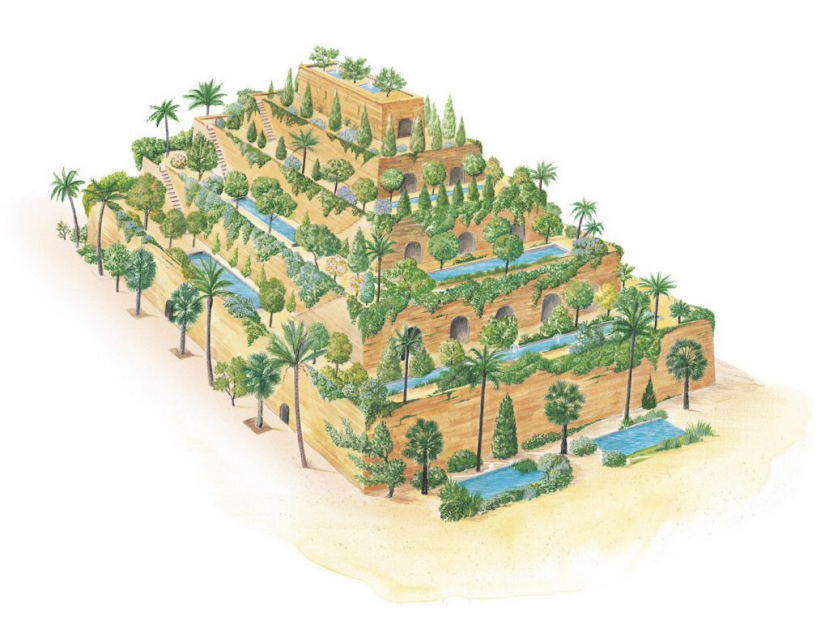
The Hanging Gardens of Babylon are one of the most mysterious wonders. Ancient writers said they were beautiful gardens with many plants and water. Stories say King Nebuchadnezzar II built them around 600 BCE for his wife, who missed her green home.
But there is no proof the gardens were real. Archaeologists have looked in Babylon but found nothing that matches the stories. Some historians think the gardens were in another city, like Nineveh, or maybe they were just a legend. Greek and Roman writers like Strabo and Philo of Byzantium wrote about the gardens, but Herodotus did not mention them. This mystery makes the Hanging Gardens very interesting for people who like the 7 Wonders of the World.
Statue of Zeus at Olympia
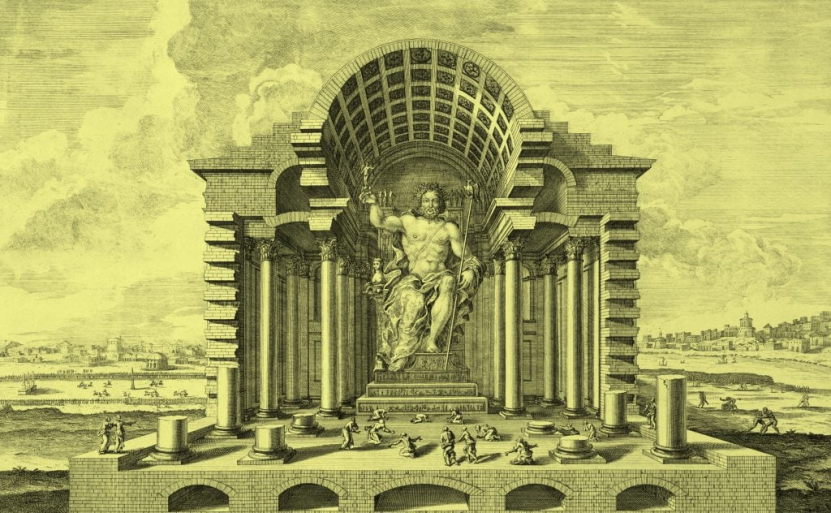
The Statue of Zeus at Olympia was in the Temple of Zeus in Greece. The sculptor Phidias made it around 435 BCE. The statue showed Zeus sitting on a big throne. It was made with ivory and gold, so it looked shiny. The statue was about 40 feet tall, which made it one of the biggest statues in ancient times.
The statue is gone now. A fire destroyed it in 426 AD. Even though you cannot see it today, the Statue of Zeus is still a symbol of Greek art and religion. It shows the talent and imagination of ancient artists and why the 7 Wonders of the World are still exciting.
Temple of Artemis at Ephesus
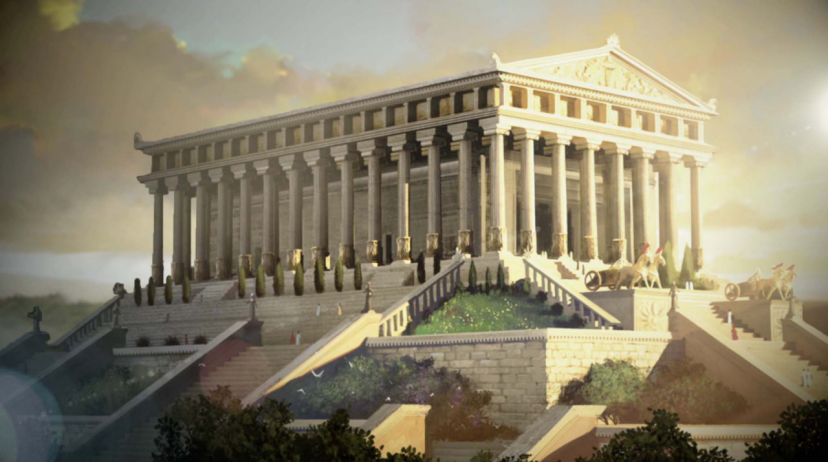
The Temple of Artemis was in what is now Turkey. People first built it in the 6th century BCE. Croesus, a rich king, helped pay for the temple. Archaeologists found a column drum with his name on it. This shows he supported the building. The temple was famous for being big and beautiful. It had tall marble columns and a grand look. Many later buildings copied its design.
The temple had many problems over time. In 356 BCE, Herostratus set it on fire. He wanted people to remember his name forever. This is where “herostratic fame” comes from. The people of Ephesus rebuilt the temple even bigger. Pausanias, a Greek geographer, wrote about the new temple. He called it one of the 7 Wonders of the World.
Mausoleum at Halicarnassus
Ancient writers like Pliny the Elder and Strabo wrote about the Mausoleum at Halicarnassus. They described how it looked and how big it was. The Mausoleum was in Bodrum, Turkey. It was built as a tomb for King Mausolus around 350 BCE. The building had a rectangle base and a row of columns. It had a roof shaped like a pyramid. Sculptures on the outside showed Greek myths.
The Mausoleum was famous for its special design. It mixed Greek, Egyptian, and Lycian styles. This made it different from other wonders. Archaeologists found ruins and statues that match old stories. The word “mausoleum” comes from this wonder. Now it means any big tomb.
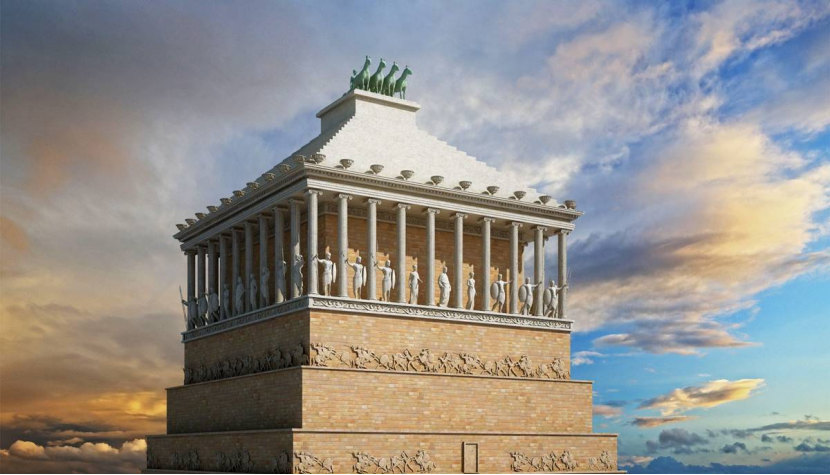
The Mausoleum stood for many years. Earthquakes broke it, and people took its stones for other buildings. Today, you can see some statues in museums. The Mausoleum at Halicarnassus shows how art and buildings can honor people and inspire others.
Colossus of Rhodes
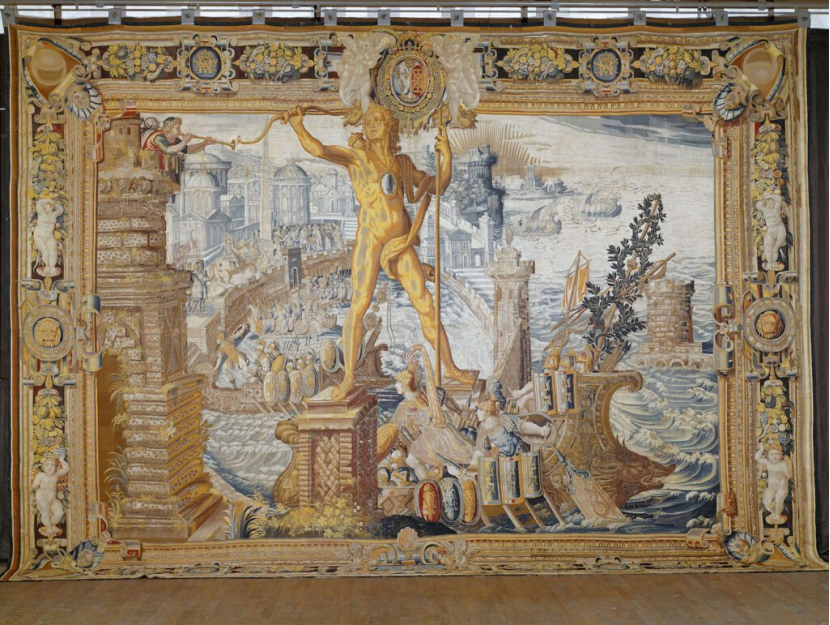
The Colossus of Rhodes was a huge statue. It stood at the harbor entrance on the island of Rhodes. People finished building it in 280 BCE. The statue honored the sun god Helios. It showed the pride of Rhodes after they stopped an attack.
The Colossus stood for only 54 years. An earthquake in 226 BCE knocked it down. The Oracle of Delphi said not to rebuild it. The statue stayed on the ground for over 800 years. Even broken, the Colossus amazed visitors. Pliny the Elder wrote about its size and how people admired it. In 653 AD, invaders melted the bronze and took it away.
Lighthouse of Alexandria
Try to picture the Lighthouse of Alexandria above the old city’s harbor. People also called it the Pharos of Alexandria. This wonder was on a small island called Pharos, close to Egypt’s coast. Ptolemy I Soter wanted it built. His son, Ptolemy II Philadelphus, finished it around 280 BCE. The Greek architect Sostratus of Cnidus made the plans. He wanted sailors to find the busy port safely.
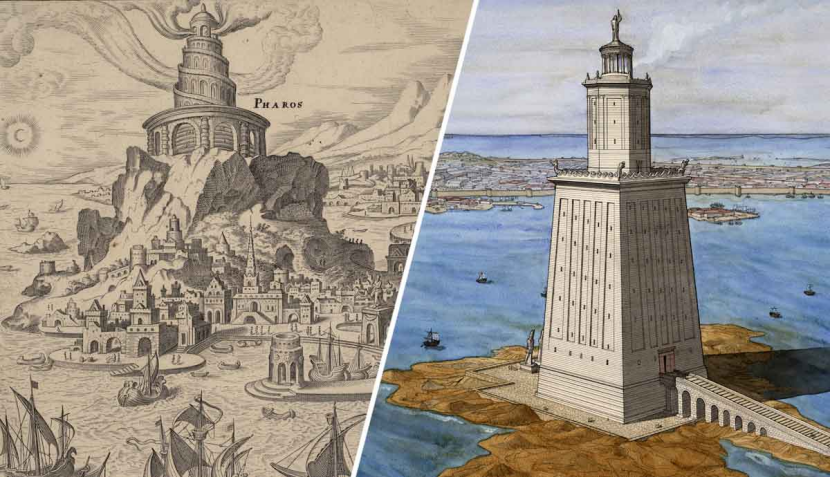
The Lighthouse of Alexandria was one of the tallest ancient buildings. Ancient writers said it was between 100 and 130 meters high. That is taller than a modern 30-story building. The lighthouse had three main parts. There was a square base, an octagonal middle, and a round top. At night, a fire burned at the top. In the day, sunlight bounced off a big bronze mirror. Both helped ships stay away from rocks and reach the harbor.
What are the 7 New Wonders of the World?
Great Wall of China
The Great Wall of China stretches across northern China. It is thousands of miles long. Builders started making it over 2,000 years ago. Most work happened during the Qin and Ming dynasties. The wall was built to keep out northern invaders. You can see watchtowers, passes, and stone walls. These show how ancient China used military strategies.
The Great Wall stands for unity and strength. Workers used rammed earth, bricks, and stones. The wall’s design changed over time. It was made stronger to face new threats. The wall climbs mountains and crosses deserts. The Ming Dynasty added many towers and gates. This made the wall even more impressive.
Epic’s “World Wonders” collection teaches you about the Great Wall of China. Books and videos show how ancient engineers solved problems. They built one of the world’s most famous landmarks. The Great Wall helps you learn about Chinese creativity and determination.
Chichén Itzá
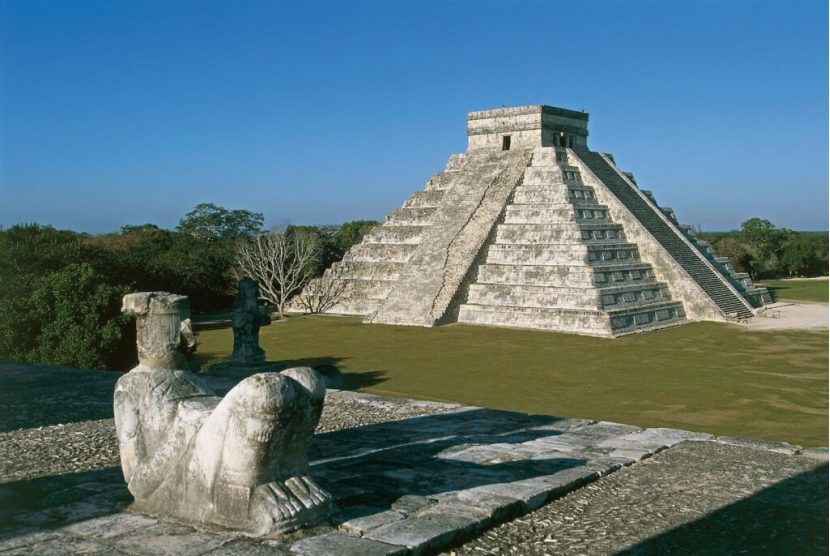
Chichén Itzá is in Mexico’s Yucatán Peninsula. The Maya built it between the 7th and 10th centuries AD. You see buildings like the Temple of Kukulkán, the Great Ball Court, and the Sacred Cenote. These show the Maya’s skills in building and studying the stars.
The Temple of Kukulkán is also called El Castillo. It has 365 steps, just like the days in a year. The Maya used the pyramid for ceremonies and to watch the stars. The Great Ball Court is the biggest in the Americas. The Maya played ritual games there. These games were important for their society.
Petra
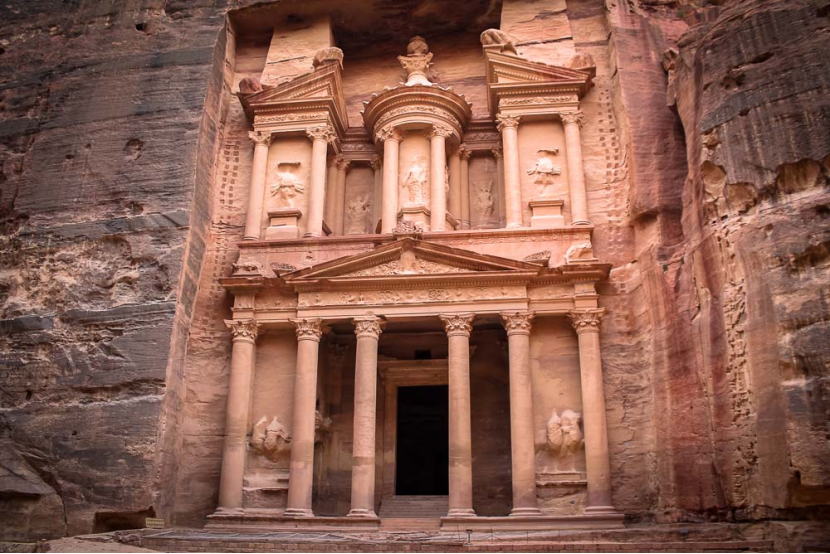
Petra is in southern Jordan. The Nabataeans built it in the 4th century BC. You enter Petra through a narrow canyon called the Siq. The city is famous for buildings carved into rose-red cliffs. The most famous is Al-Khazneh, or the Treasury. It has grand columns and detailed carvings.
The Nabataeans made advanced water systems. They built channels, pipes, and cisterns to collect water. This helped Petra survive in the desert. You see tombs, temples, and a theater. These show Petra’s rich history. Petra’s buildings mix styles from Greek and Roman cultures.
Machu Picchu
Machu Picchu sits high in Peru’s Andes Mountains. The Inca built it in the 1400s. You see stone buildings, terraces, and temples on the mountain. The stones fit together so well, not even a knife fits between them. This shows the Inca were great engineers.
Hiram Bingham found Machu Picchu again in 1911. His discovery made people all over the world notice the site. Machu Picchu became a symbol of ancient skill and mystery. UNESCO made it a World Heritage Site. This means people everywhere help protect it.
Epic’s “World Wonders” collection helps you explore Machu Picchu. You can read books and watch videos about how the Inca built it. That is why Machu Picchu is one of the world’s most famous places.
Christ the Redeemer
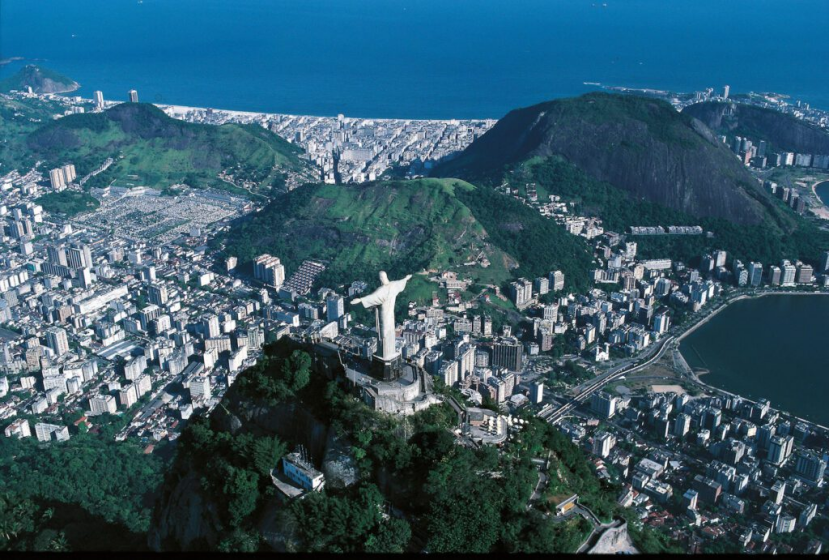
Christ the Redeemer stands above Rio de Janeiro, Brazil. The statue’s arms are open, welcoming everyone. It is 98 feet tall and sits on Mount Corcovado. The statue is a symbol of peace and hope.
People first thought of the statue in the 1850s. They wanted to honor Princess Isabel. In the 1920s, the Catholic Church helped make it happen. Leaders wanted to show faith was important in Brazil. The open arms mean peace and welcome.
Colosseum
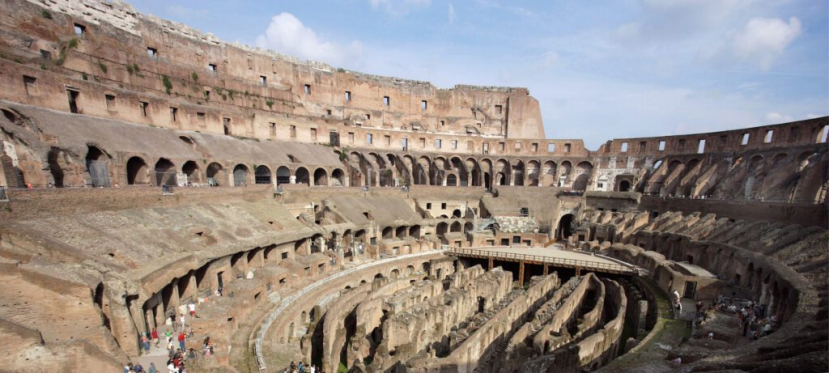
The Colosseum is in the center of Rome, Italy. You see its huge stone arches and imagine crowds long ago. Roman builders started it in AD 72 and finished in AD 80. The Colosseum could hold up to 80,000 people. It was the biggest amphitheater in ancient times.
The Colosseum was more than a sports arena. It showed the power and culture of ancient Rome. Arches and vaults helped it last for centuries. The seating showed how Roman society was organized.
Taj Mahal
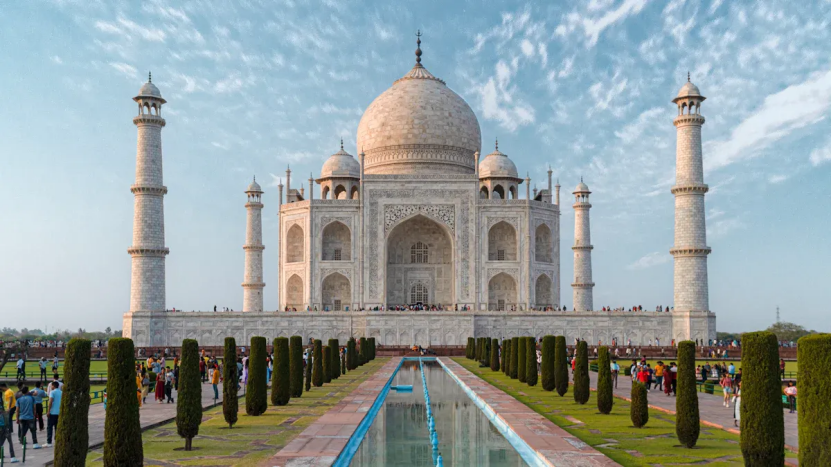
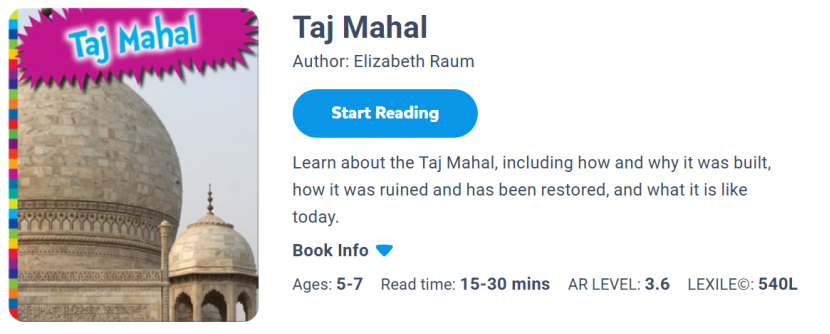
The Taj Mahal is in Agra, India. It is a symbol of love and beauty. Emperor Shah Jahan built it for his wife, Mumtaz Mahal. Workers started building in 1631 AD. They finished the main tomb in 1648 AD. The whole site was done by 1653 AD. About 20,000 artisans helped build it.
The Taj Mahal’s design took careful planning. The main dome is 240 feet tall. Four smaller domes are around the big dome. There are four minarets at each corner. The minarets tilt outward to protect the building from earthquakes. The marble has flower patterns and Quranic verses. These details make the Taj Mahal special.
You can learn more about the Taj Mahal with Epic’s “World Wonders” collection. Books and videos explain its story and design. This collection makes learning about the Taj Mahal fun. You see how people from many places worked together to build it.
Selection Criteria
Ancient List Criteria
The first Seven Wonders of the World were picked long ago. Ancient writers chose them because they looked beautiful and were very big. These wonders showed great building and art skills. Travelers and scholars made lists after seeing or hearing about these places. They wanted to show off the coolest buildings of their time.
Modern List Criteria
The modern Seven Wonders of the World were chosen in a new way. In 2000, the New7Wonders Foundation started a contest. People from all over the world could help pick the wonders. You could vote online, by phone, or by text. This was very different from how it was done in ancient times.
The modern list shows what people today think is special. The wonders had to be made by people and still standing now. The contest helped people learn about world landmarks and share what they liked.
7 Wonders of The World: Old vs New
Differences in Purpose
The ancient and modern lists have different reasons for being made. Ancient wonders show the coolest things people built long ago. They tell us what old cultures liked in art and buildings. Modern wonders are about smart engineering and include places from all over. They celebrate new and old building skills.
Geographic and Cultural Range
Most ancient wonders are near the Mediterranean Sea. You find them in Egypt, Greece, and Turkey. This means ancient writers picked places close to them. Modern wonders are found on many continents. You can visit them in Asia, South America, Europe, and the Middle East. This shows people now want to honor cool places everywhere.
Inspiration for Learning
Learning about the wonders can make you curious. You might want to know more about history, places, and people. Reading about these sites or watching videos makes you ask questions and search for answers. This helps you become a better learner.
Epic’s “World Wonders” collection is a fun way to learn about these places. You can read books and watch videos that tell the stories of the wonders. This helps you see and hear why these sites are important. You can explore the world from home and start to love learning.
If you want to learn about the 7 Wonders of the World, you can use Epic to begin. You will see that learning about these wonders gives you new ideas and helps you respect what people have done all over the world.
Conclusion
The stories, history, and significance of the 7 Wonders of the World reveal what humanity can achieve through creativity, dedication, and vision. Each monument stands as a powerful symbol of its era and culture, connecting the achievements of the past with the curiosity of the present.
Learning about these extraordinary sites can spark curiosity to explore further or even inspire future travels. The Great Pyramid of Giza, the Taj Mahal, and the Great Wall of China each offer lasting lessons in architecture, engineering, and history. They demonstrate how different civilizations tackled challenges and created remarkable works that continue to awe the world.
Studying these wonders also highlights how modern efforts preserve and celebrate them today. The knowledge gained can enrich school projects, deepen cultural understanding, or simply offer enjoyment through discovery. Teachers and parents can help you find more resources. Epic’s “World Wonders” collection is a great place to start. You get to see pictures, read facts, and watch videos that make history come alive.
FAQs
Q1: Is Niagara Falls one of the 7 Wonders of the World?
You might wonder if Niagara Falls is one of the 7 Wonders of the World. Niagara Falls is not on the official lists of the Ancient or Modern Seven Wonders. People often call it a “wonder” because of its beauty and power, but it does not appear on the famous lists you read about earlier.
Niagara Falls sits on the border between the United States and Canada. It has three main waterfalls: Horseshoe Falls, American Falls, and Bridal Veil Falls. Millions of people visit every year to see the rushing water and feel the mist.
Note: Niagara Falls is sometimes included in lists of natural wonders, but it is not part of the official Seven Wonders of the World.
Q2: Is Stonehenge one of the 7 Wonders of the World?
Stonehenge is another famous site that many people think of as a wonder. You find Stonehenge in England. It is a circle of huge standing stones. People built it over 4,000 years ago. The stones are so big that you might wonder how ancient people moved them.
Stonehenge does not appear on the official lists of the Seven Wonders of the Ancient or Modern World. Ancient writers did not include it because they focused on sites around the Mediterranean. The modern list also does not include Stonehenge.
Q3: What are the 7 Natural Wonders of the World?
You may have heard about the Seven Natural Wonders of the World. Unlike the ancient and modern wonders, these celebrate Earth’s most amazing places, all shaped by nature. This popular list includes the Grand Canyon in the United States, the Great Barrier Reef in Australia, the Harbor of Rio de Janeiro in Brazil, Mount Everest in Nepal and China, the Aurora Borealis (Northern Lights) in polar regions, the Parícutin Volcano in Mexico, and Victoria Falls in Zambia and Zimbabwe.
Each of these natural wonders shows the incredible power and beauty of nature. Exploring them helps us understand Earth’s history and the forces that shaped our planet. It also reminds us why it’s important to protect these unique places. Nature creates wonders too—discover them to see just how amazing our world can be.
Q4: Is Petra one of the 7 Wonders of the World?
Yes, Petra is one of the 7 New Wonders of the World. You can find Petra in southern Jordan. People call it the “Rose City” because the stone buildings have a pink color. The New7Wonders Foundation chose Petra as one of the new wonders in 2007. Millions of people around the world voted for it. Petra stands out because of its history, beauty, and unique architecture.