
Reading aloud to children is a cherished bedtime ritual. For parents of kids ages 0–6, we’ve curated the best bedtime stories for toddlers (0–3) and adventure stories for early readers (3–6). Whether you prefer free PDF downloads or popular print titles (many available on Epic’s digital library), these picks spark imagination and make reading fun. We include classic tales with gentle rhymes for winding down and exciting adventures for growing readers, all in easy English and parent-friendly language.
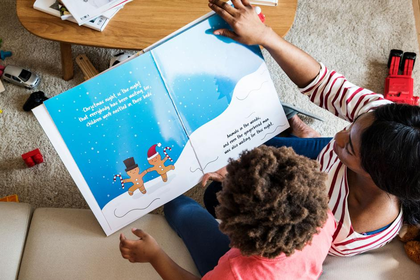
A cozy bedtime reading moment with a child—the perfect way to end the day.
Why Bedtime Stories Matter
Reading nightly to children builds language and literacy and helps them wind down.
A consistent bedtime story routine for kids promotes bonding and better sleep, as experts note the calming, snuggly experience is “a wonderful way to promote parent-child bonding” and can help kids fall asleep more easily.
Short, rhythmic tales (under 300 words) with soothing illustrations are ideal; search terms like short bedtime story for kids” or “short bedtime story for kids in English” often turn up age-appropriate PDF downloads or videos
Ages 0–3: Bedtime Storybooks for Toddlers
1. Chicken Little (George Bridge):
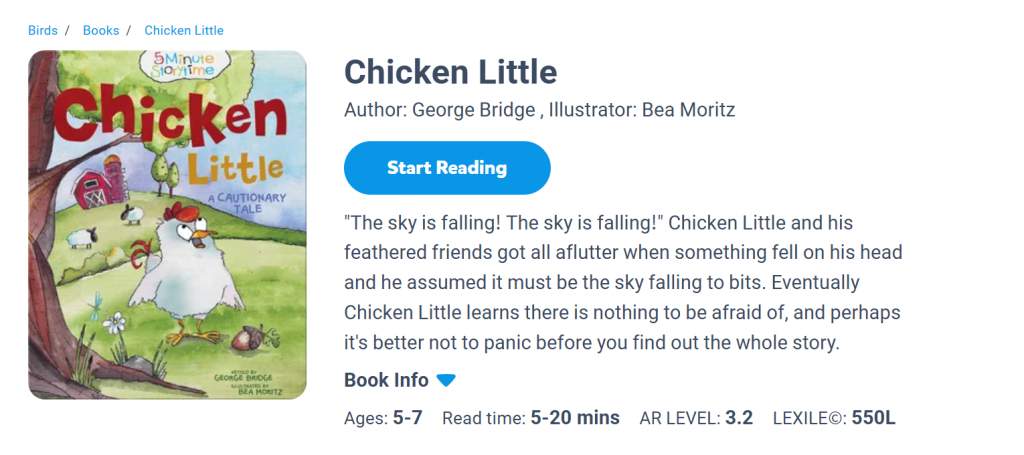
Chicken Little panics when something drops on his head, shouting “the sky is falling,” but in the end discovers there’s nothing to fear once he learns the truth
Best for: Toddlers who enjoy repetitive rhymes and gentle humor.
Why it works: A classic cautionary tale with a playful tone; its simple, rhythmic narrative and happy ending encourage calm and reassurance (teaching kids not to panic prematurely)
2. Prairie Chicken Little (Jackie Mims Hopkins):
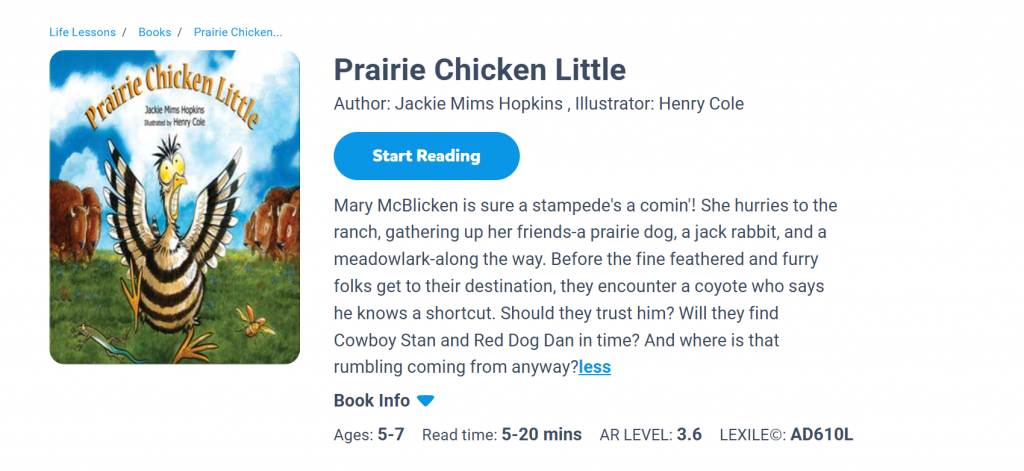
Mary McBlicken is sure a stampede’s coming, so she races to the ranch with her prairie-dog, jackrabbit and meadowlark friends – only to meet a wily coyote en route.
Best for: Toddlers who love funny animal adventures and exaggerated fears.
Why it works: A humorous Western twist on “Chicken Little,” featuring friendly farm animals. The lively illustrations and surprise encounter teach courage and teamwork in a lighthearted way.
3. Goldilocks & the Three Bears (Calee M. Lee):
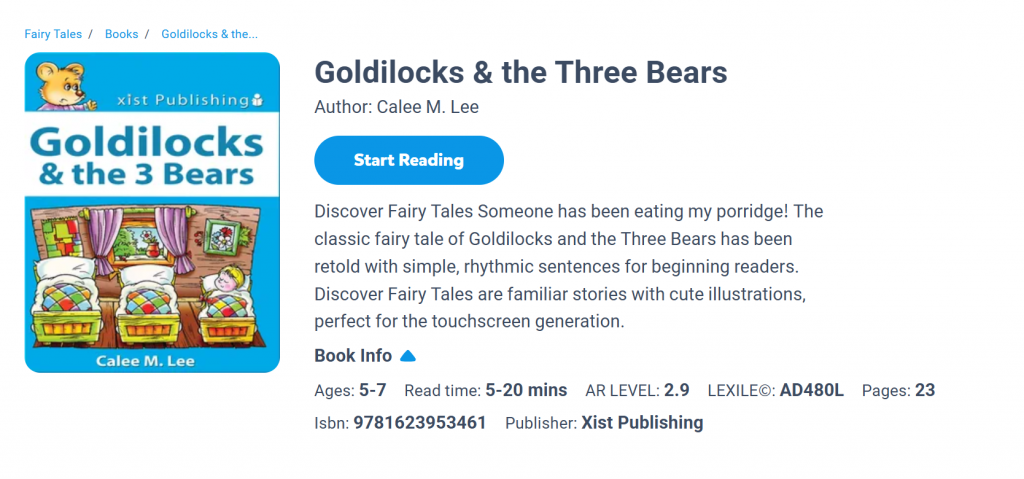
The classic fairy tale is retold in simple, rhythmic sentences: Goldilocks stumbles into the three bears’ house (“Someone has been eating my porridge!”) and tries everything, learning a gentle lesson along the way
Best for: Toddlers ready for a simple fairy-tale routine.
Why it works: Familiar characters and repetition (“too hot/too cold/just right”) make it soothing for little listeners. The book’s cute illustrations and easy language (noted for beginning readers) reinforce concepts of respect and sharing in a comforting bedtime style.
4. The Three Little Pigs (Eric Suben):
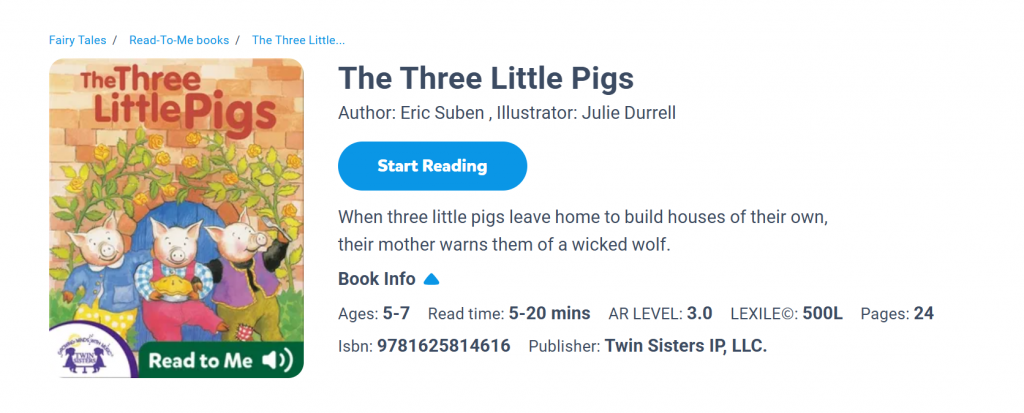
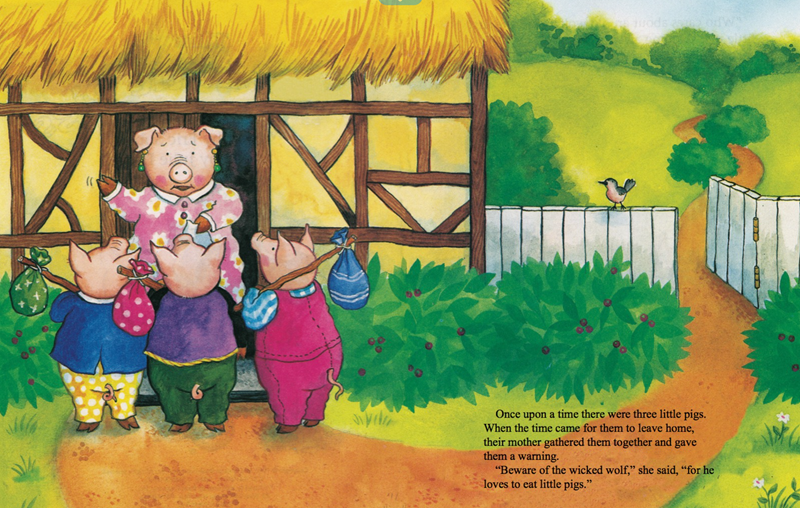
When three little pigs leave home to build houses of their own, their mother warns them about a wicked wolf
Best for: Toddlers who enjoy simple animal stories and themes of home.
Why it works: A classic fable with predictable repetition (“huff and puff”). The build-up of each pig’s house creates a fun, gentle suspense. Little ones learn about planning and perseverance, and the rhythmic text is calming for a bedtime read.
5. The Three Billy Goats Gruff (P.C. Asbjørnsen):
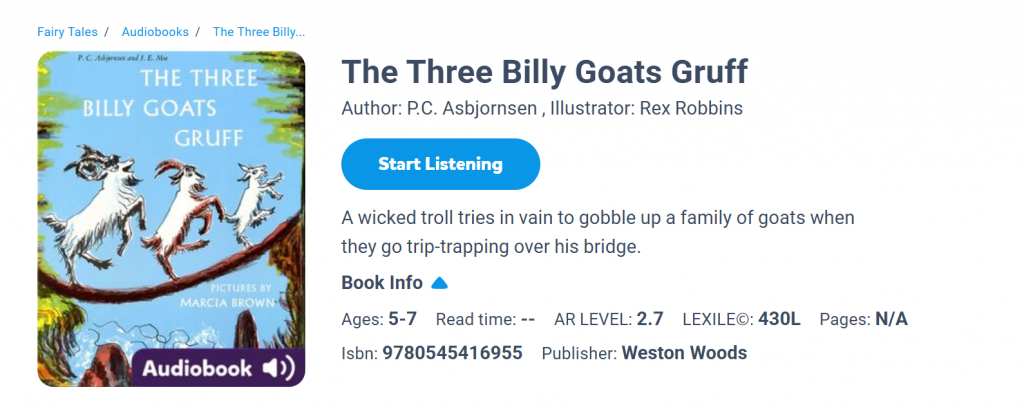
Three increasingly large goats cross a bridge and outwit a grumpy troll who tries (in vain) to gobble them up
Best for: Toddlers who enjoy rhythmic, rhyming tales (and can handle mild suspense).
Why it works: The “trip-trap” verse and growing goat sizes make the story engaging. The humorous defeat of the troll delivers a subtle lesson in cleverness. Its repetitive cadence and friendly animal characters make this folk tale fun and comforting at bedtime.
Ages 3–6: Adventures & Early Readers
1. Chicken Little (M.J. York):
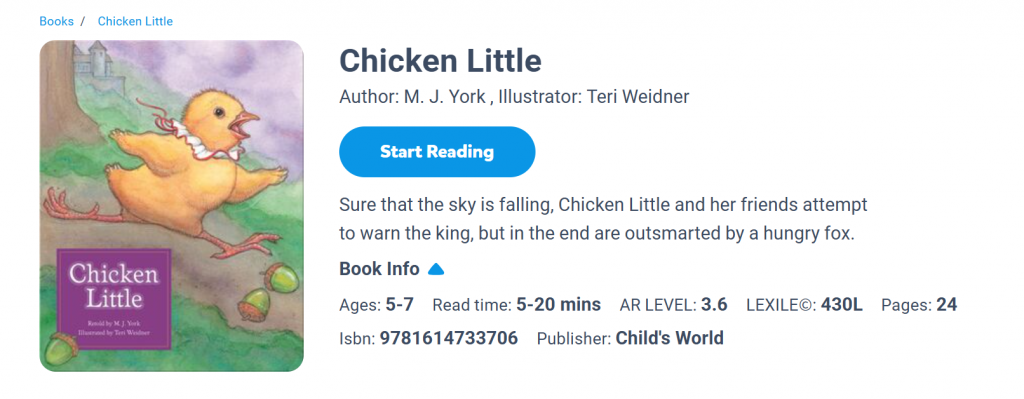
Convinced the sky is falling, Chicken Little and her friends dash off to warn the king – but along the way a hungry fox cleverly changes the story’s ending
Best for: Early readers who enjoy humorous twists on familiar tales.
Why it works: A lively retelling with a sly twist, it reinforces the idea of thinking before acting. The straightforward text and clear illustrations make it great for emerging readers, while the fox’s trick adds fun suspense and a gentle moral.
2. The True Story of the Three Little Pigs (Jon Scieszka):
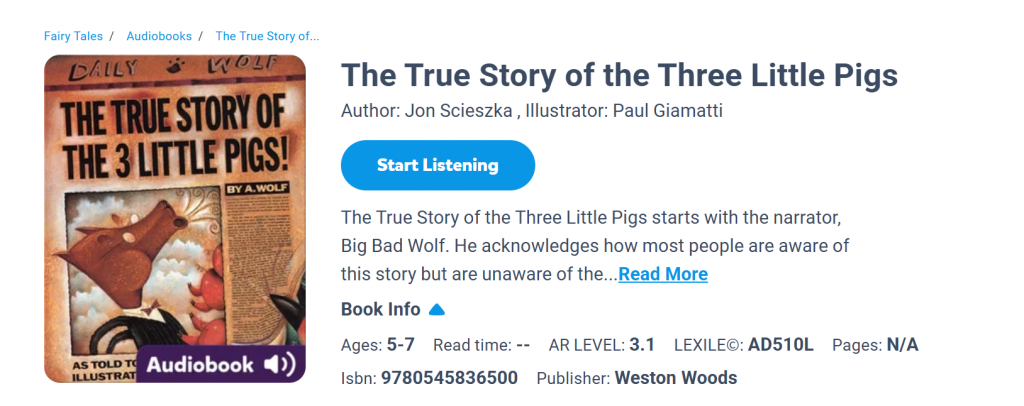
In this fractured fairy tale, Alexander T. Wolf (the “Big Bad Wolf”) narrates his version of events, humorously claiming to be misunderstood in the classic pig story
Best for: Children curious about point-of-view and humor.
Why it works: By flipping the perspective, it engages kids’ imaginations and empathy. The witty, conversational tone and chapter-like format are perfect for curious early readers, and it teaches them to question assumptions.
3. The Bremen Town Musicians (Brian Wildsmith):
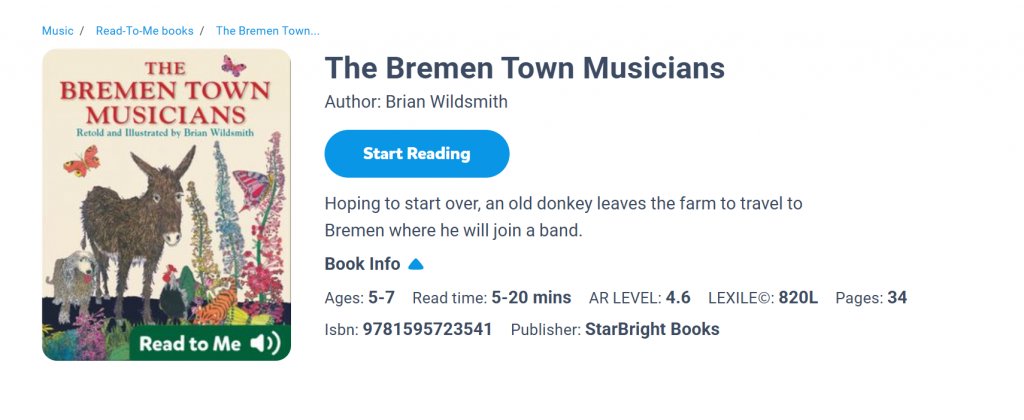
An old donkey leaves his farm life behind and sets off for Bremen to become a musician. Along the way he befriends a dog, cat, and rooster, and together they form a band on the road.
Best for: Early readers interested in friendship, animals and music.
Why it works: This gentle folktale highlights teamwork and finding purpose at any age. Its joyful theme (forming an unlikely band) encourages creativity. The calm but adventurous journey, plus colorful illustrations, make it engaging as a daytime read.
4. Momotaro (The Peach Boy):
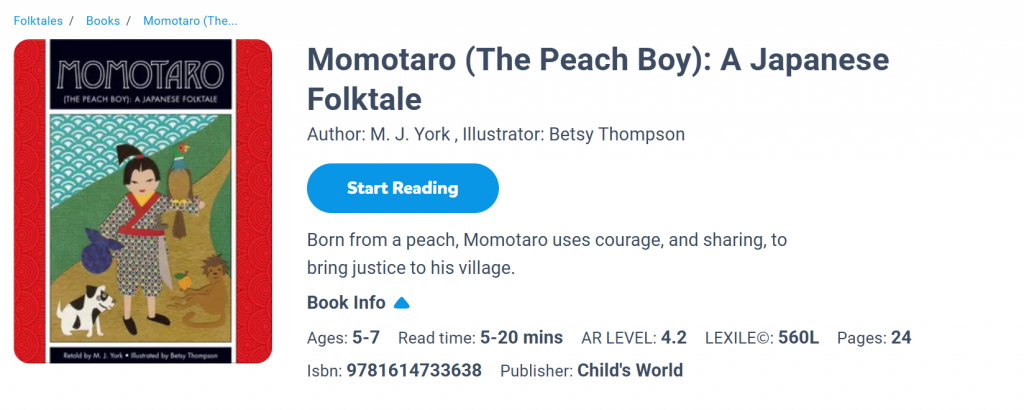
A folk hero born from a giant peach, Momotaro grows up to lead dog, monkey and pheasant friends on a quest to drive away island ogres, using courage and kindness to help his village
Best for: Kids fascinated by cultural folklore and adventure.
Why it works: A classic Japanese tale of bravery and teamwork. The lyrical, rhythmic text and exotic setting captivate young readers. Through Momotaro’s journey and sharing of food, children learn about generosity and cooperation in an exciting, age-appropriate adventure.
5. The Story of Jumping Mouse (Amanda Stjohn):
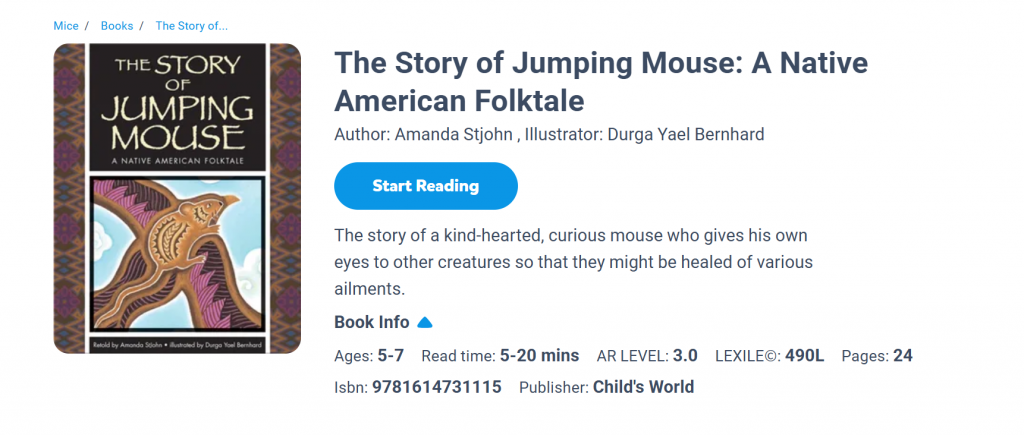
A kind, curious little mouse hears a mysterious sound and sets out on a journey, ultimately sacrificing much to help others and receiving a magical reward for his selflessness
Best for: Early readers ready for a more profound folk tale.
Why it works: A Caldecott-honored Native American legend about courage and generosity. Its poetic, inspirational tone and moral depth (shown by the mouse giving his eyes to heal others) make it deeply moving, while the animal characters and adventurous plot keep it accessible and inspiring for young children.
| Book Title | Author |
| Chicken Little | George Bridge |
| Prairie Chicken Little | Jackie Mims Hopkins |
| Goldilocks & the Three Bears | Calee M. Lee |
| The Three Little Pigs | Eric Suben |
| The Three Billy Goats Gruff | P.C. Asbjørnsen |
| Chicken Little | (M.J. York |
| The True Story of the Three Little Pigs | Jon Scieszka |
| The Bremen Town Musicians | Brian Wildsmith |
| Momotaro | The Peach Boy |
| The Story of Jumping Mouse | Amanda Stjohn |
Best Websites & Apps for Reading Stories (Free & Paid)
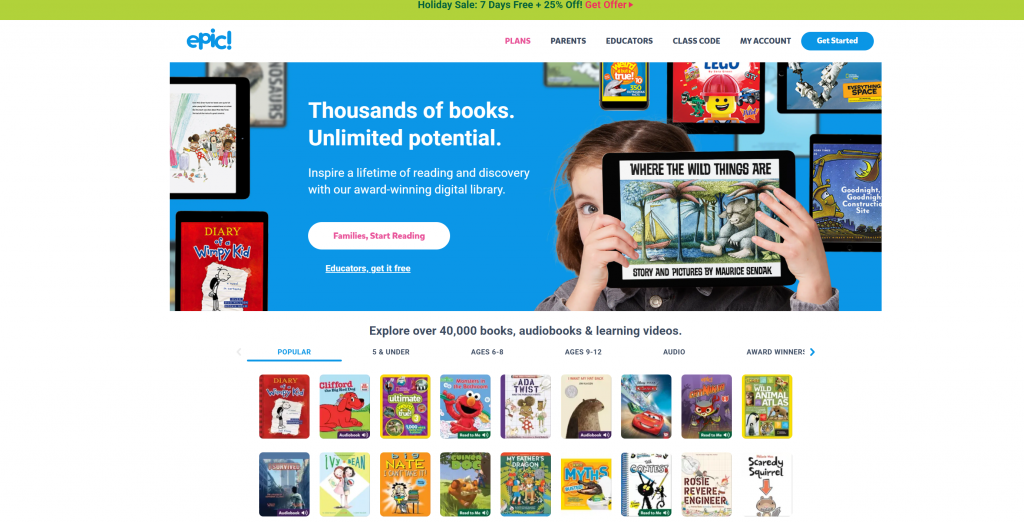
Epic!: getepic.com
Epic! is a top ebook platform for kids, offering over 40,000 titles (storybooks, audiobooks, and videos) for ages 0–12. It includes popular publisher series and Epic Originals. Many books have Read-To-Me narration, an in-app dictionary, quizzes, badges, and progress tracking to motivate early readers. Epic School is free for educators/schools; Epic Family for home users offers one free book per day on a basic plan or an unlimited subscription ($9.99/mo) for full library access.
Amazon Kids+:
A subscription (often bundled with Fire tablets) with thousands of ad‑free children’s books, videos, and games It’s a safe, age‑filtered content service (Disney, Nickelodeon, PBS Kids titles, etc.) with read-along and audio story features.
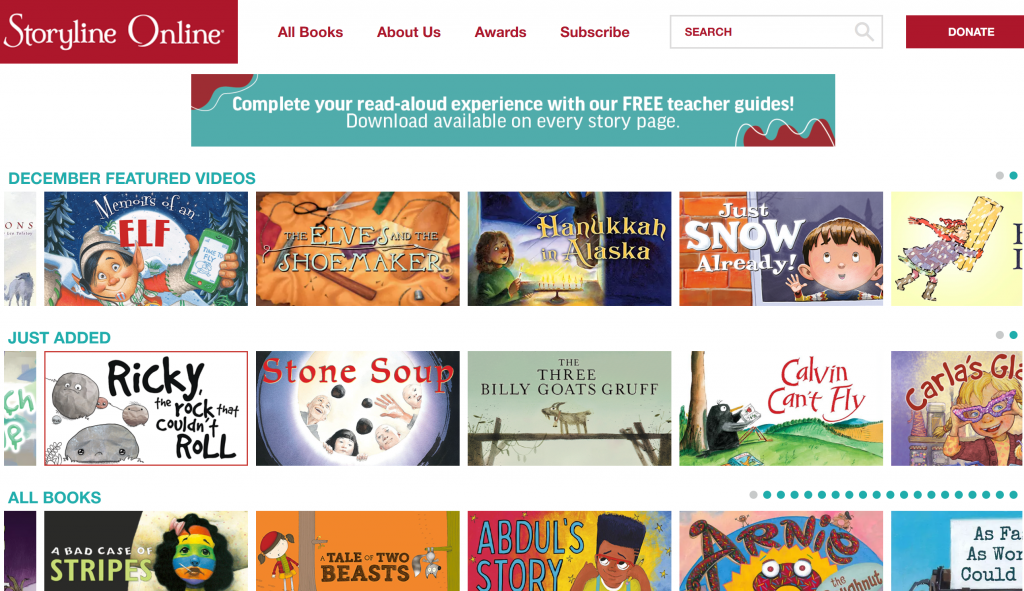
Storyline Online (Free):
A SAG-AFTRA Foundation site where celebrities read picture books in free videos. Each story has professional narration and animated illustrations, which are great for screen-time story hours.
Monkey Pen:
A publisher offering free children’s storybook PDFs for download. The site explicitly markets “free children’s storybooks” and encourages freely downloading illustrated kids’ books

Storybook-like Animated Series & Films
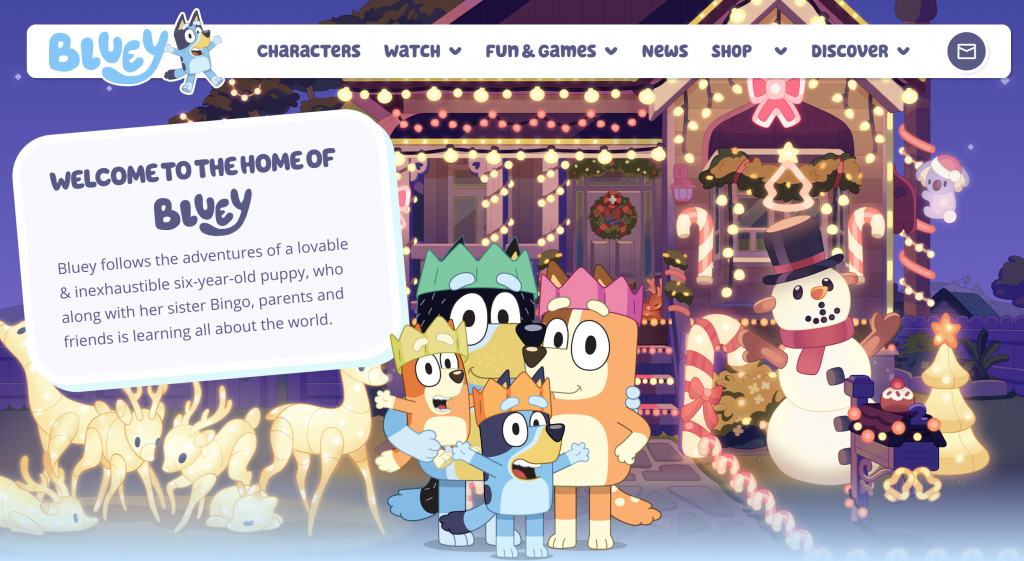
Bluey (ages 3–6):
An Australian series about a playful blue heeler puppy and her family. Episodes are warm, imaginative and full of life lessons (empathy, creativity) told in a lighthearted way.
Platforms: Disney+ (also available in some Netflix regions).
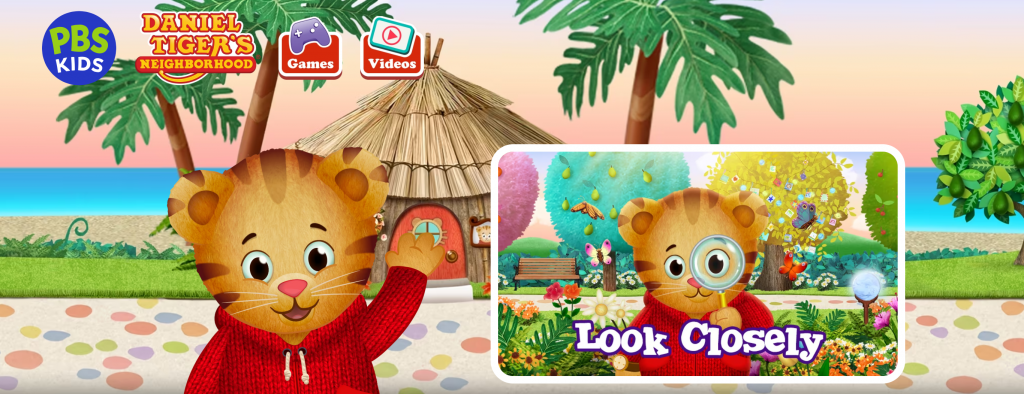
Daniel Tiger’s Neighborhood (ages 2–5):
A modern spin-off of Mr. Rogers’ Neighborhood. This animated tiger cub lives in the “Land of Make-Believe” and learns about feelings, friendship and problem-solving through gentle stories and songs
Platforms: PBS Kids (Hulu, Amazon Prime, YouTube TV, etc.)
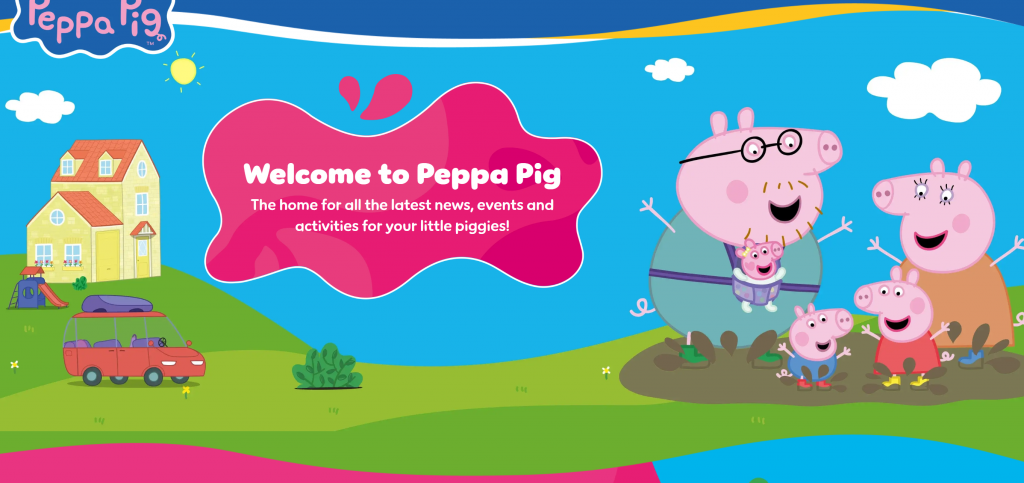
Peppa Pig (ages 2–5):
A long-running series starring Peppa, a young pig. Each episode features everyday adventures (like going to school or visiting grandparents) with simple humor. Peppa and her friends make mistakes and learn social lessons (sharing, taking turns, etc.) in a relatable, positive way.
Platforms: Netflix (seasons 1–7 in the US), YouTube Kids, Amazon Prime.
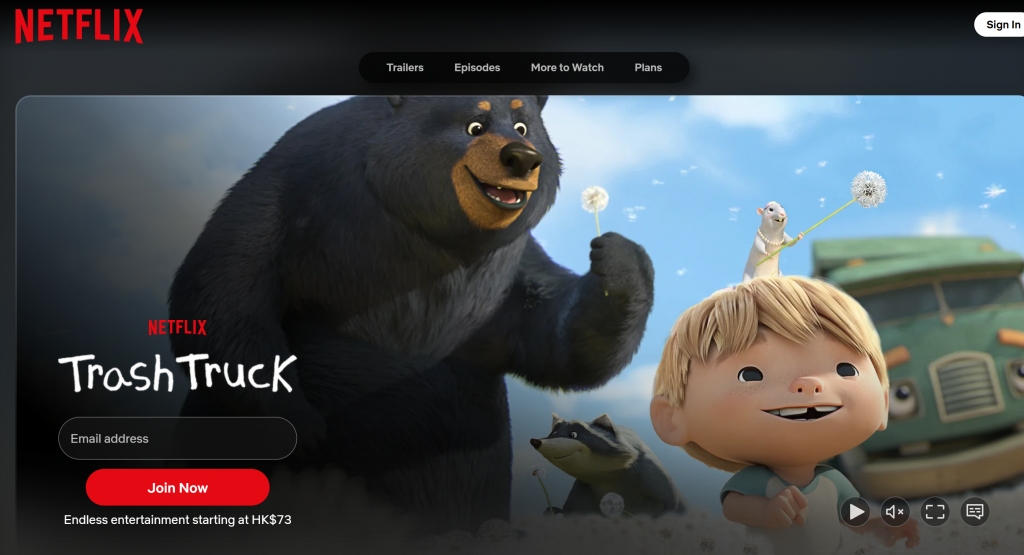
Trash Truck (ages 3–5):
A Netflix series about 6‑year-old Hank and his unusually living friend Trash Truck. It’s very slow-paced and thoughtful: episodes show Hank’s imaginative play and close friendship with the truck, teaching gentle social‑emotional lessons (kindness, acceptance) through Hank’s creative adventures.
Platform: Netflix.
FAQ
What is the three-finger rule for reading?
The Three-Finger Rule is a simple way to help children choose books at the right reading level. Have your child read one page aloud and raise a finger for each unfamiliar word. 0–1 fingers means the book is easy, 2–3 fingers means it’s just right for independent reading, and 4 or more fingers means it may be too challenging. This method supports reading confidence, comprehension, and better book selection for early readers.
What does “first printing” mean?
“First printing” refers to the first batch of copies produced from the original setup of a book. It indicates that the book was printed before any corrections, revisions, or later print runs were made. First printings are often valued by collectors, especially when combined with a first edition, but they do not always mean the book is rare.
What are the 13 digits that identify a book?
The 13-digit number that identifies a book is called an ISBN (International Standard Book Number). An ISBN-13 uniquely identifies a specific book edition and format and is used globally by publishers, libraries, and retailers for cataloging, ordering, and inventory management.
What Is the #1 Storybook of All Time?
The best-selling storybook of all time is The Little Prince by Antoine de Saint-Exupéry.
First published in 1943, The Little Prince has sold over 200 million copies worldwide and has been translated into 500+ languages and dialects, making it one of the most widely read books in history.
The story’s universal themes of friendship, love, and humanity resonate with both children and adults, which explains its lasting global popularity.
What are the alternatives to bedtime Storybook?
There are many effective alternatives to traditional bedtime storybooks that still support relaxation, language development, and bonding before sleep. Popular options include audiobooks, guided sleep stories, picture-only books, nursery rhymes, poetry for children, story podcasts, calm music with narration, and parent-told oral stories. These alternatives are especially helpful for tired children, reluctant readers, or families looking to reduce screen time while keeping bedtime calm and engaging.