
Children experience big emotions every day. Shared reading is one of the most parent-friendly ways to build that missing bridge: stories give children words for feelings, examples of coping, and safe practice talking about hard moments.
Why Feelings Books Matter
Young children often experience intense emotions—such as anger, fear, sadness, and jealousy. However, they usually don’t yet have the vocabulary to describe these feelings. As a result, emotions may show up as tantrums, withdrawal, or even what looks like “defiance.”
In fact, research supports this connection. One large study found that toddlers with fewer spoken words tended to display more severe tantrum behaviors. Therefore, language development and emotional expression are closely linked, especially in the early years.
The Link Between Language and Emotional Regulation
Pediatric experts consistently emphasize three key strategies. First, help children name their feelings. Second, teach simple calm-down techniques. Third, create predictable and supportive routines.
Together, these approaches build a strong foundation for emotional regulation. Over time, children become more capable of managing their reactions instead of being overwhelmed by them.
The Science Behind “Name It to Tame It”
Moreover, neuroscience provides strong support for this approach. The concept known as affect labeling—in other words, putting feelings into words—has been shown to reduce activity in threat-related brain regions during stressful experiences.
As a result, simply naming an emotion can help children feel calmer and more in control. In other words, language doesn’t just describe feelings—it actually helps regulate them.
Why Books Are So Effective for Teaching Emotions
At the same time, books make emotional learning both concrete and relatable. For example, stories allow children to see emotions play out in safe, familiar situations.
In addition, research has consistently linked children’s emotion knowledge with early school success. Furthermore, studies on shared reading show that guided conversations during reading can significantly strengthen social-emotional development.
Because of this, reading together is not just a literacy activity—it’s also a powerful emotional learning tool.
Building Emotional Skills Through Shared Reading
Even short and simple reading routines can make a meaningful difference. For instance, just a few minutes of interactive reading can help children build emotion vocabulary, which is essential for both self-regulation and empathy.
Over time, repeated exposure allows children to better understand their own feelings. Meanwhile, they also begin to recognize emotions in others, which strengthens social awareness.
Supporting Core Social-Emotional Skills (SEL)
Finally, when viewed through a social-emotional learning (SEL) lens, feelings books support multiple core competencies. These include:
- Self-awareness
- Self-management
- Social awareness
- Relationship skills
Therefore, incorporating these books into your daily routine is not just helpful—it’s a highly effective way to support your child’s long-term emotional development.
Best Books About Feelings for Kids
Below is a compact comparison table followed by short with use-cases, 3 parent prompts, and image/link placeholders for you
| Title (Author) | Best ages | Primary focus | Why it works | 3 parent prompts |
| In My Heart: A Book of Feelings — Jo Witek | 2–4 | Body feelings + language | Links emotions to physical sensations | “Where in your body is that?” “Is it big or small?” “What does your heart need?” |
| Llama Llama Mad at Mama — Anna Dewdney | 2–5 | Frustration + patience | Mirrors everyday overwhelm and repair | “What is Llama needing?” “What would help while waiting?” “How can we reconnect after?” |
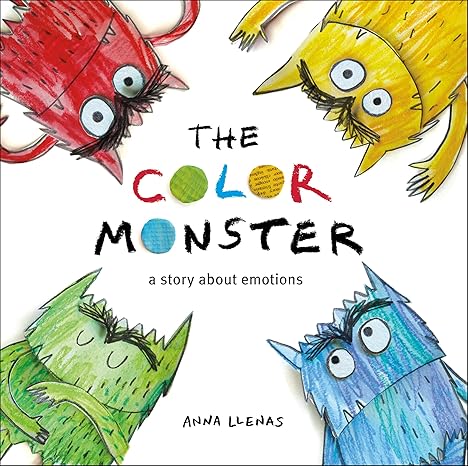
| The Color Monster: A Story About Emotions — Anna Llenas | 2–5 | Labeling feelings visually | Maps emotions to colors and “sorting” | “Which color is in you today?” “Are feelings mixed up?” “How can we sort them?” |
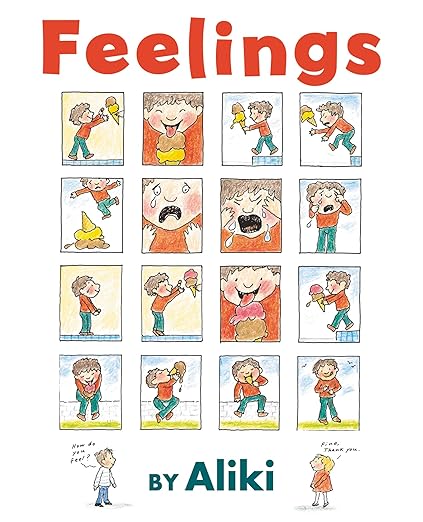
| Feelings — Aliki | 2–7 | Everyday emotions | Simple scenes make discussion easy | “Which face matches you?” “What might cause that?” “What could you do next?” |
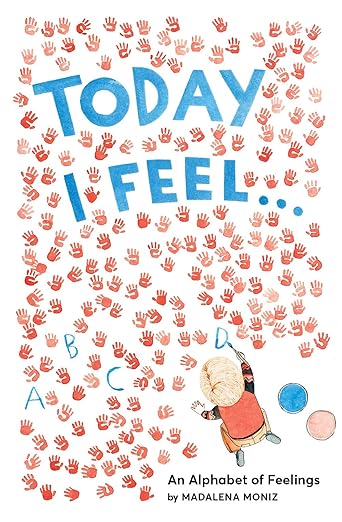
| Today I Feel: An Alphabet of Feelings — Madalena Moniz | 3-4 | Emotion vocabulary | Gives many feeling words in bite-size pages | “Which feeling is closest to you today?” “What happened before it?” “What helps when you feel that?” |
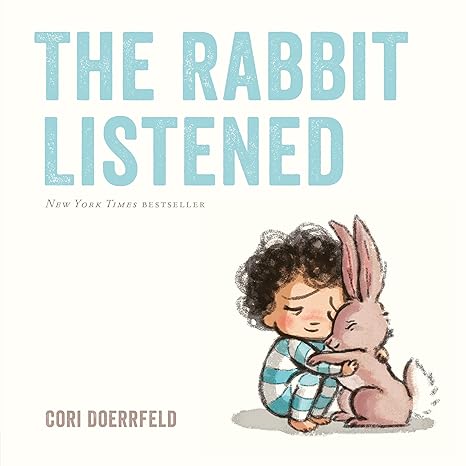
| The Rabbit Listened — Cori Doerrfeld | 3–5 | Empathy + support | Models listening before fixing | “What helped most?” “What doesn’t help?” “How can we listen like Rabbit?” |
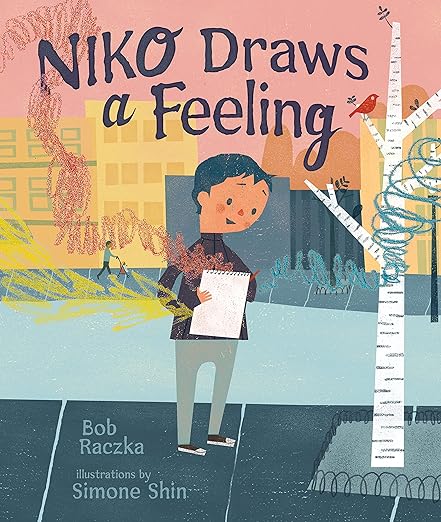
| Niko Draws a Feeling — Bob Raczka | 4–7 | Expressing feelings through art | Validates nonverbal expression + being understood | “What did Niko draw?” “What feeling would you draw?” “Who helps you feel understood?” |
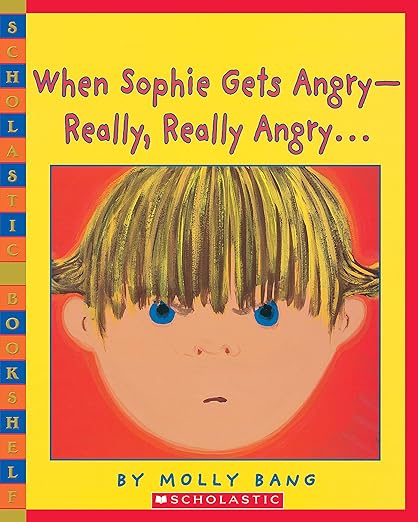
| When Sophie Gets Angry—Really, Really Angry… — Molly Bang | 4–8 | Anger + calming | Shows a full anger arc and return to connection | “What set Sophie off?” “Where is anger in your body?” “What could help you cool down?” |
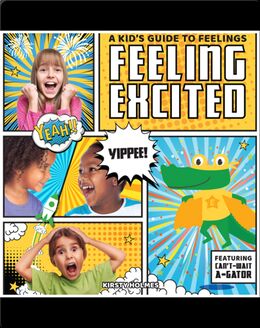
| A Kid’s Guide to Feelings — Kirsty Holmes | 5–7 | One emotion at a time | Short, focused volumes for skill-building | “What triggers this feeling?” “How does it show up?” “What’s one healthy response?” |
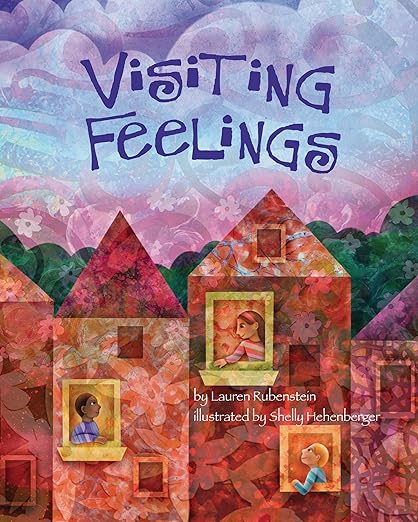
| Visiting Feelings — Lauren Rubenstein | 5–9 | Mindfulness + noticing | Teaches feelings as temporary “visitors” | “If this feeling knocked, what would it say?” “Where do you feel it?” “What might it need?” |
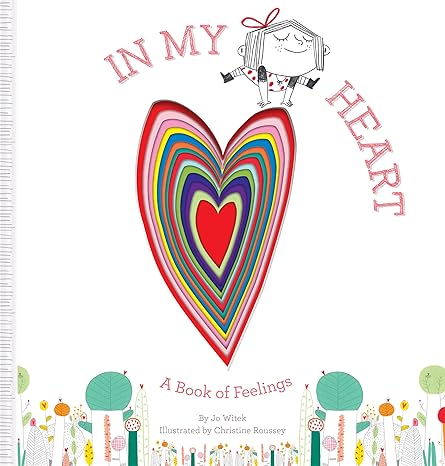
In My Heart: A Book of Feelings — Jo Witek
A beautifully illustrated book that connects emotions to physical sensations, helping young children understand how feelings can be big, small, heavy, or light—and how they live inside us.
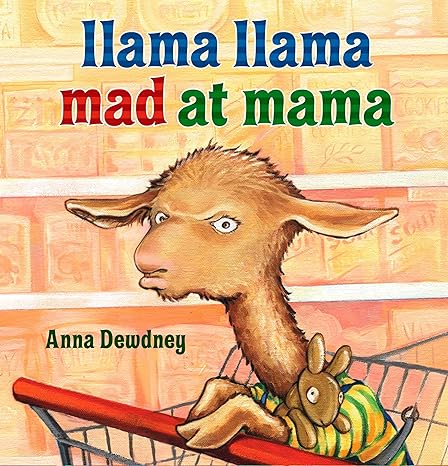
Llama Llama Mad at Mama — Anna Dewdney
This relatable story follows Llama during a frustrating shopping trip that quickly turns overwhelming. It helps children recognize everyday irritation and shows how connection and understanding can repair emotional moments.
The Color Monster: A Story About Emotions — Anna Llenas
A visually engaging book that uses colors to represent different emotions. It helps children sort and understand mixed feelings, making abstract emotions easier to identify and manage.
Feelings — Aliki
A simple and accessible introduction to everyday emotions, using clear illustrations and familiar situations. It encourages young children to recognize and talk about their feelings in a natural, pressure-free way.
Today I Feel: An Alphabet of Feelings — Madalena Moniz
An imaginative A-to-Z journey through emotions that helps children expand their emotional vocabulary. It introduces both common and complex feelings, encouraging kids to recognize and name what they experience each day.
The Rabbit Listened — Cori Doerrfeld
A touching story about how listening can be the most powerful way to support someone in distress. It teaches children empathy and shows that sometimes being present matters more than fixing problems.
Niko Draws a Feeling — Bob Raczka
This story highlights how art can be a powerful way to express emotions. Niko communicates his feelings through abstract drawings, showing that there are many ways to be understood—even without words.
When Sophie Gets Angry—Really, Really Angry… — Molly Bang
A powerful story about a young girl who experiences intense anger when things don’t go her way. Sophie runs off, finds space in nature, and gradually calms down, showing children that big emotions are normal—and that they can pass with time and space.
A Kid’s Guide to Feelings — Kirsty Holmes
This series breaks down individual emotions like anger, fear, and loneliness into simple, focused lessons. Each book provides practical ways for children to understand and respond to specific feelings.
Visiting Feelings — Lauren Rubenstein
This gentle book teaches children to observe emotions as temporary visitors rather than permanent states. It promotes mindfulness and helps kids understand that feelings come and go without needing to be judged.
Shared Reading Script and Home Practices
A simple shared-reading routine works best when it’s predictable and short. This 4-step script aligns with what research suggests is powerful about shared reading: interactive discussion that links story emotions to real life.
Four-step shared-reading script (3–8 minutes)
- Name: “I think the character feels ___.” (Help your child pick the word.)
- Notice: “How do we know? Face, body, words?”
- Link: “When have you felt that way?” (Offer your example first.)
- Plan: “What could help next time?” (Choose one doable action.)
Two high-return home practices
- Calm Corner: Create a small “regulation spot” with a soft seat, a few sensory tools, and calm-down choices (breathing, squeezing a stress ball, looking at a book). Introducing it during calm times so it’s a skill but not a punishment.
- Emotion visuals: Post a feelings chart (faces or an emotion wheel). Use it at neutral times (“Point to your feeling”) to turn “tantrum behavior” into language. This supports the “put feelings into words” pathway linked with emotion regulation.
Closing Summary and CTA
You don’t need a perfect “SEL curriculum” at home. One well-chosen feelings book, repeated at bedtime, can steadily build the skills that make daily life easier: naming emotions, calming the body, and understanding others.
CTA: Pick one book from the quick-pick table and read it for 7 nights. And also parents can add the Calm Corner or an emotion chart as your “next small upgrade.”