

Why Kids Love Stories About Losing Teeth — Story About Losing Teeth
Losing a baby tooth is one of those “big kid” moments that feels exciting and a little strange at the same time. Most children start shedding baby teeth around age 6, and it’s common for that first wiggly moment to land in the early elementary years.
Tooth-fairy stories add one more ingredient: ritual. Whether your family does a note under the pillow, a tiny celebration breakfast, or simply a “high five for growing up,” rituals give kids a predictable script for change—especially when they feel unsure.
For teachers, this theme also aligns nicely with U.S. school health units, including the seasonal push many classrooms see during National Children’s Dental Health Month (February).
7 Best Books About Losing Teeth for Kids
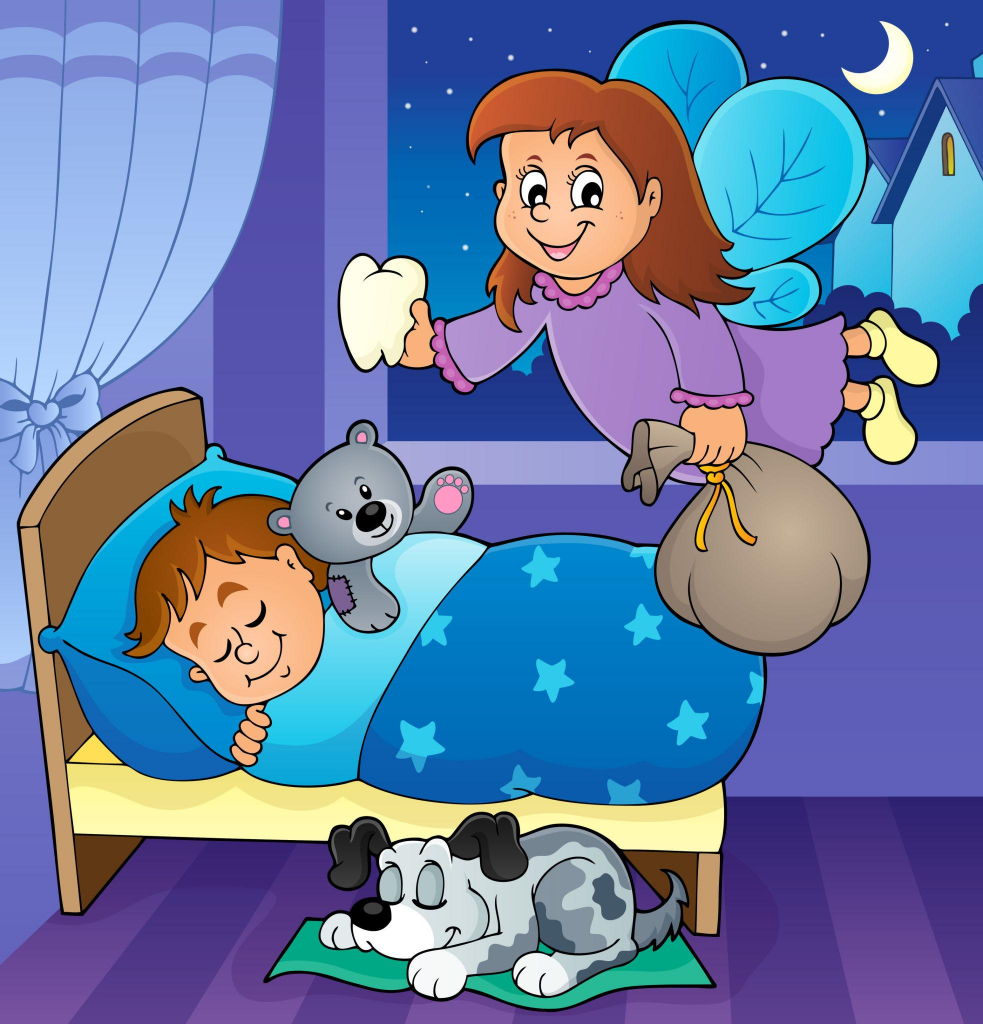
This list is designed for U.S. parent and teacher intent: books you can read aloud in a few minutes, share in a classroom, or use to encourage early independent reading. I included a mix of tooth fairy stories and broader “wiggly tooth” books that still work if your family doesn’t use the Tooth Fairy tradition.
How to use this list: If your child feels anxious, start with reassurance (Bear) and pair it with a low-pressure activity (like a Tooth Fairy note that celebrates bravery). If your child is excited, start with a playful “adventure” story (Pete) and channel that excitement into healthy routines.
Quick Overview of the Best Books About Losing Teeth for Kids
Here is a quick overview of some of the most popular books about losing teeth for kids, including fun tooth fairy books for kids that help children feel excited about their first loose tooth.
| No. | Title | Author | Recommended Age | Reading level | Publisher | Year |
| 1 | Pete the Cat and the Lost Tooth | James Dean | 4–8 | Early Reader | HarperCollins | 2017 |
| 2 | Bear’s Loose Tooth | Karma Wilson | 3–7 | Picture Book | Margaret K. McElderry Books | 2011 |
| 3 | The Tooth Book | Dr. Seuss | 3–7 | Beginner Reader | Random House Books for Young Readers | 2000 |
| 4 | Throw Your Tooth on the Roof: Tooth Traditions from Around the World | Selby B. Beeler | 4–8 | Picture Book | Houghton Mifflin | 1998 |
| 5 | My Tooth Is Loose! | Martin Silverman | 4–7 | Early Reader | Young Readers | 1994 |
| 6 | Arthur’s Loose Tooth | Lillian Hoban | 4–8 | Early Reader | HarperCollins | 1987 |
| 7 | Just Going to the Dentist | Mercer Mayer | 3–6 | Picture Book | Random House Books for Young Readers | 2001 |
Many kids also read these tooth fairy books for kids on digital reading platforms like Epic, which offers thousands of children’s books for early readers.
Below, we’ll take a closer look at each story about losing teeth and why kids love these tooth fairy books.
Pete the Cat and the Lost Tooth — A Fun Story About Losing Teeth
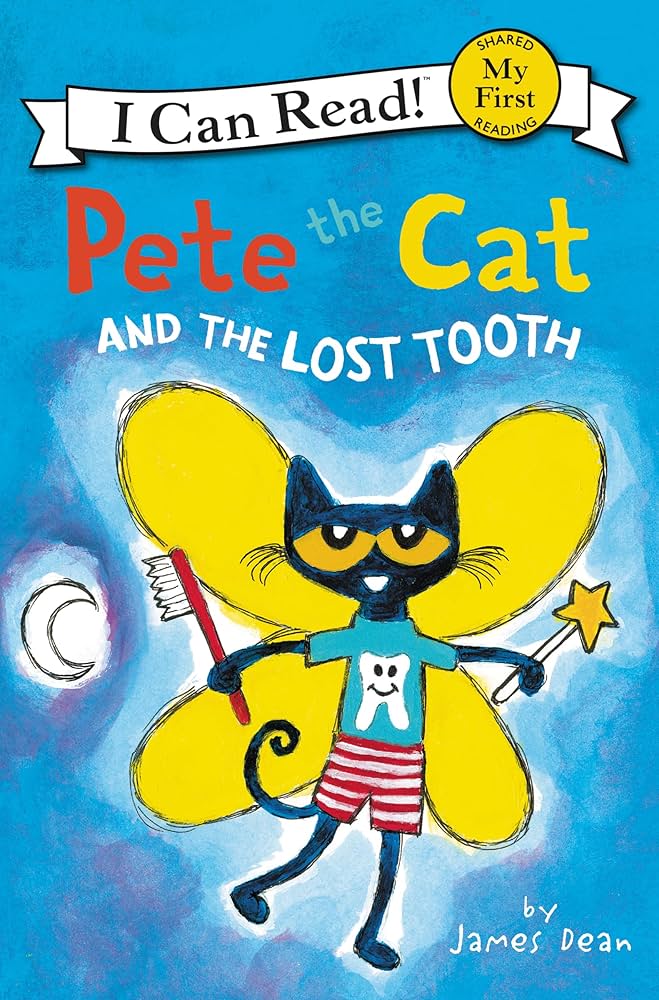
Author: James Dean. Age: 5–7.
Reading level: My First I Can Read / beginner reader.
Publisher: HarperCollins.
Year: 2017.
Pete loses a tooth and ends up helping the Tooth Fairy—but a tooth goes missing, and Pete has to solve the problem before morning. The tone stays light and funny, and the short sentences are friendly for beginning readers.
Bear’s Loose Tooth — A Gentle Story About Losing Teeth
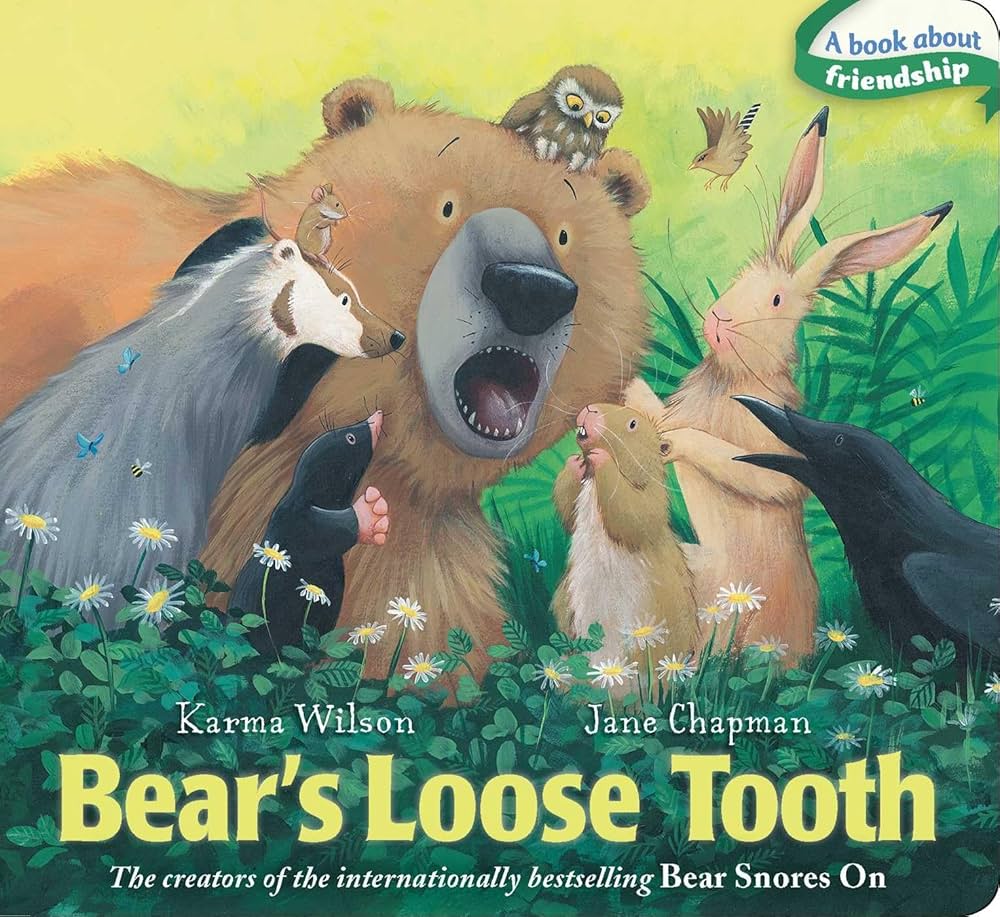
Author: Karma Wilson. Age: 4–8.
Reading level: picture-book read-aloud (Grades P–3).
Publisher: Margaret K. McElderry Books.
Year: 2011.
Bear discovers a loose tooth and feels worried—then his friends help him understand that losing a baby tooth is a normal part of growing up. The story follows Bear’s feelings and the wait for the tooth to finally fall out.
The Tooth Book — A Classic Tooth Fairy Book for Kids
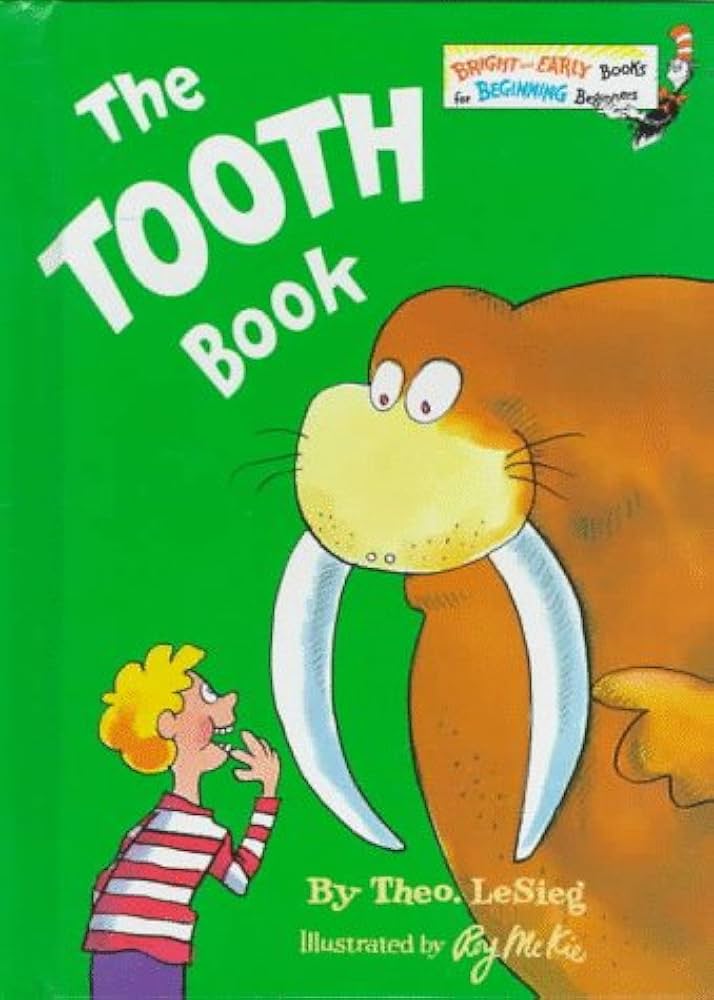
Author: Dr. Seuss (Theo LeSieg). Age: 2–5.
Reading level: Lexile 510L; F&P K.
Publisher: Random House Books for Young Readers.
Year: 2000.
This rhyming, high-energy “teeth tour” explores what teeth do, how different animals use them, and how kids can take care of their own. It isn’t a Tooth Fairy plot, but it’s an excellent “teeth theme” anchor for home routines or classroom health units.
Throw Your Tooth on the Roof: Tooth Traditions from Around the World — A Cultural Tooth Fairy Story
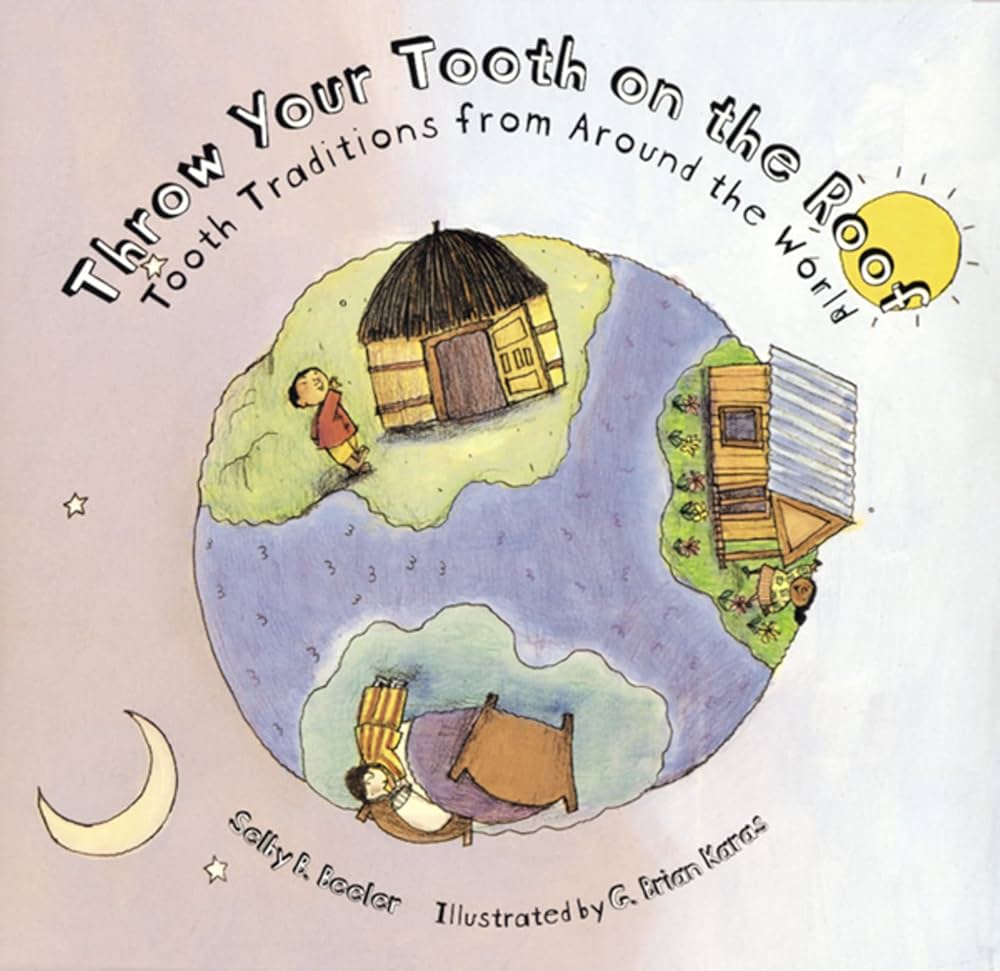
Author: Selby B. Beeler. Age: ~3–6 (often used through Grade 3).
Reading level: commonly listed with Lexile ~540 and ATOS 4.2.
Publisher: Houghton Mifflin.
Year: 1998.
Instead of focusing only on the Tooth Fairy, this book explores what children do with lost teeth in different parts of the world. It’s quick to browse, easy to compare-and-contrast, and a strong way to honor the fact that families may celebrate this milestone differently.
My Tooth Is Loose! — A Relatable Story About Losing Teeth
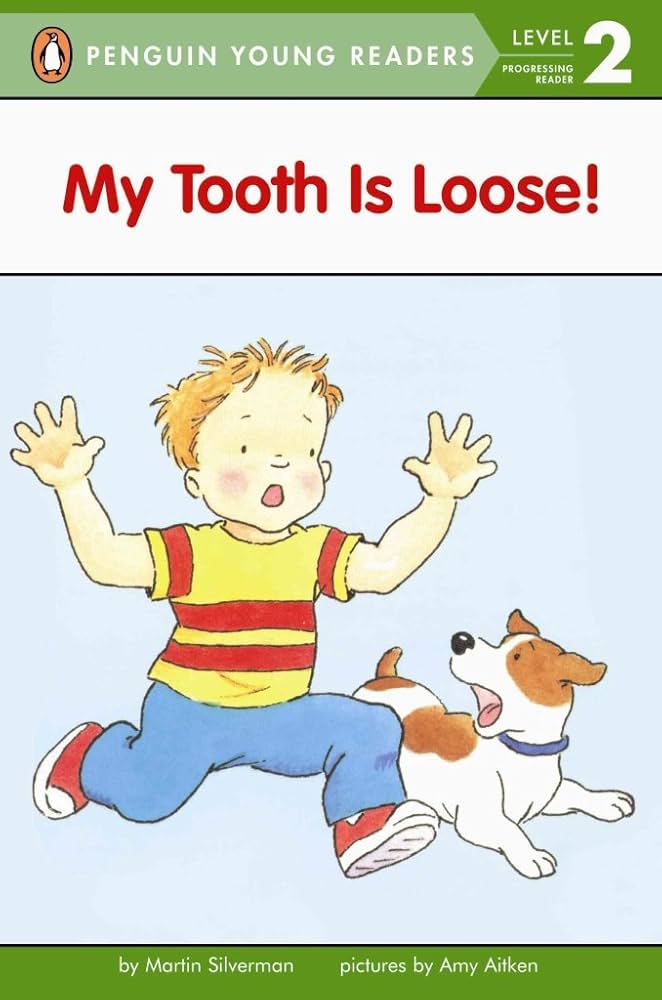
Author: Martin Silverman. Age: 6–7.
Reading level: Level 2 reader; Lexile 380L; F&P H.
Publisher: Penguin Young Readers.
Year: 1994.
Georgie doesn’t know how to handle his loose tooth, and friends offer advice that he doesn’t always like. The story lands with a reassuring message: sometimes waiting is the best plan, and the tooth can fall out on its own.
Arthur’s Loose Tooth — A Tooth Fairy Book for Kids
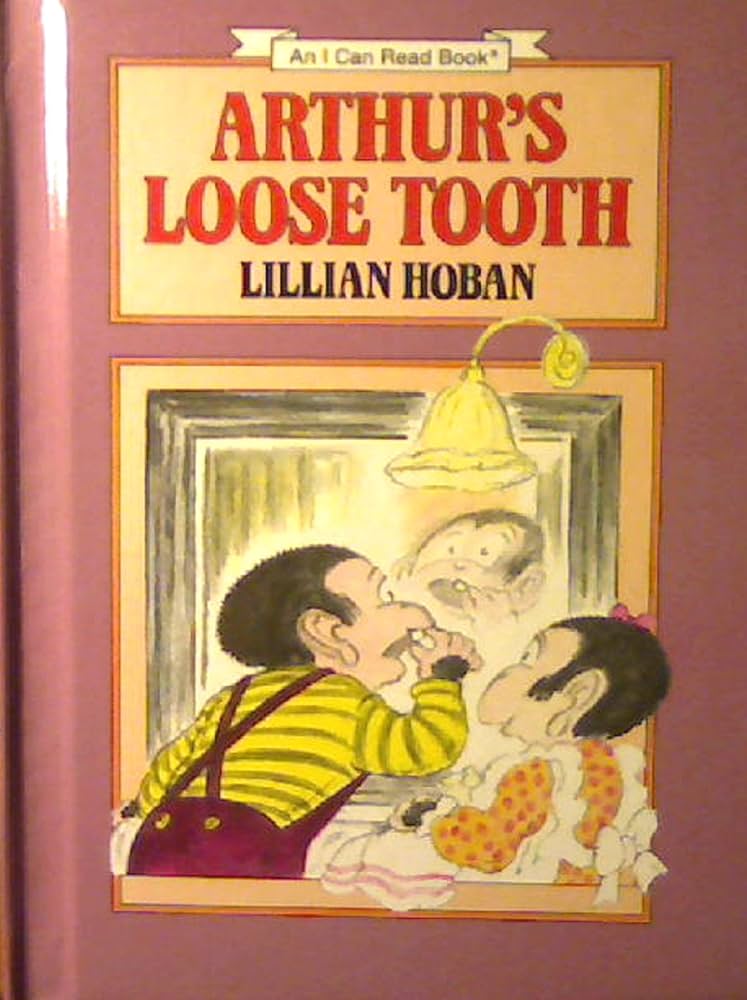
Author: Lillian Hoban. Age: ~4–8.
Reading level: I Can Read Level 2.
Publisher: HarperCollins.
Year: 1987.
Arthur (the chimp) worries about pulling his loose tooth, and supportive adults help him reframe what bravery looks like. This is a short, approachable early reader that works well for children who want a “real life” reassurance story.
Just Going to the Dentist — A Helpful Story About Teeth
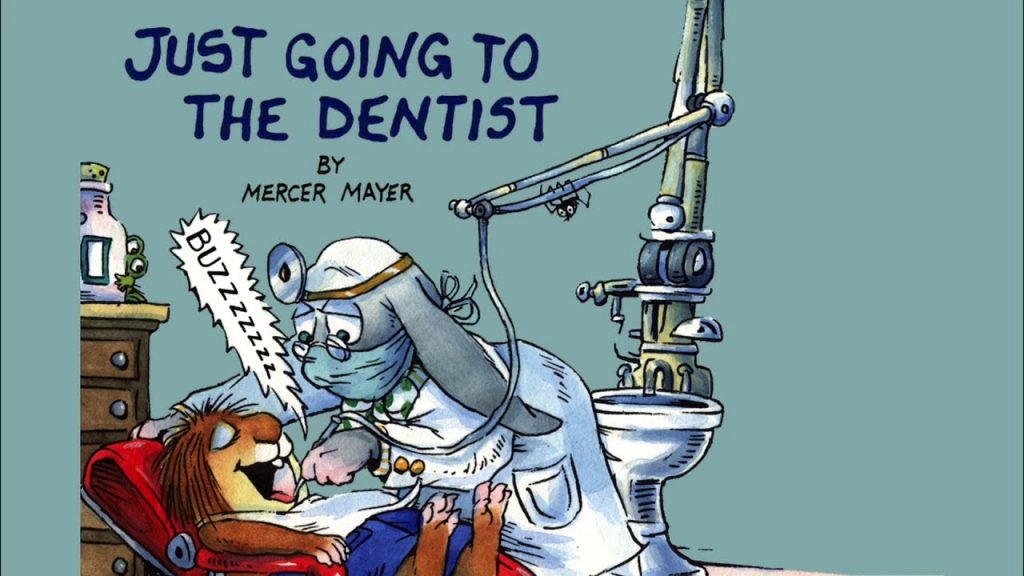
Author: Mercer Mayer. Age: 3–7.
Reading level: Lexile AD500L; F&P I.
Publisher: Random House Books for Young Readers.
Year: 2001.
Little Critter goes to the dentist and experiences familiar steps like X-rays, cleaning, and dealing with a cavity. The humor and clear “what happens next” structure make it especially useful for kids who feel unsure about dental visits.
How Tooth Fairy Books Help Kids Feel Confident About Losing Teeth — tooth fairy books for kids
A strong tooth-fairy (or loose-tooth) story is doing more than entertaining: it’s building a child’s sense of control and competence—“My body is doing something normal, and I can handle it.”
The most effective books tend to normalize the waiting (loose teeth take time), model language for feelings (nervous/excited/proud), and keep dental care calm rather than scary. This matters because kids generally start losing teeth during a stage when routines and reassurance strongly influence how they interpret new experiences.
For adults, “confidence-building” also connects naturally to oral-health routines. Public-health guidance emphasizes brushing regularly with fluoride toothpaste and using age-appropriate amounts (e.g., pea-sized for many young children), with adult supervision when skills are still developing.
Fun Tooth Fairy Activities for Kids
Books build confidence; activities turn confidence into habit. These ideas are short, low-cost, and designed for real classrooms and busy families.
Tooth Fairy Classroom Activity Ideas for Teachers — tooth fairy classroom activity
“Have you lost a tooth yet?” class graph (10 minutes)
Students vote “Yes” or “Not yet.” Turn it into a quick bar graph and discuss totals.
Tooth Fairy letter writing (15–25 minutes)
Prompt: “Dear Tooth Fairy, I lost a tooth today. I felt ___.” Add a drawing for pre-writers.
Science mini-lesson: baby teeth vs. adult teeth (15 minutes)
Teach the vocabulary and have students label a simple mouth diagram (baby/primary vs adult/permanent).
Healthy-habits sequencing cards (10–15 minutes)
Students order steps (toothpaste → brush → spit → floss) and write one “why” sentence.
Tooth Traditions compare-and-contrast (20 minutes)
After Throw Your Tooth on the Roof, students write 3 sentences comparing their family tradition to one from the book.
Creative Tooth Fairy Activities for Kids at Home
Tooth Fairy “receipt” (5 minutes)
Leave a tiny note celebrating effort (“Bravery: ⭐⭐⭐⭐⭐”) instead of focusing on money.
Tooth treasure box (10 minutes)
Decorate a small box/envelope and write the date and tooth milestone.
2-minute brushing playlist (2 minutes to set up)
Choose one song and reuse it daily so brushing feels predictable.
Kindness coin (5 minutes)
Leave a coin plus a prompt: “Use this to do one kind thing today.”
Photo + 1-sentence caption (5 minutes)
Take a photo of the new smile; have your child dictate one sentence about the day.
Family tradition twist (10 minutes)
Pick a signature element (a phrase, a tiny envelope, a stamp) and repeat it each time.
FAQs About Losing Teeth and Tooth Fairy Books
What age do kids usually lose their first tooth?
Most children start losing baby teeth around age 6, though a range of roughly 5–7 is common.
What are the best tooth fairy books for kids who feel nervous?
Choose a story where a character is worried and gets reassurance (Bear’s Loose Tooth is a great example). For some children, adding a friendly dentist story can also reduce fear by making the unknown feel familiar.
What should the Tooth Fairy leave if you don’t want to focus on money?
A note is often the most meaningful “gift.” You can also leave a bookmark, a tiny certificate, or a fun toothbrush. The point is to make the ritual feel personal and encouraging.
Are tooth fairy books for kids useful in classrooms?
Yes. They support read-alouds, writing prompts, simple graphs, and short health lessons—especially during seasonal dental-health themes (like February).
How can I use a Story About Losing Teeth to build healthy habits?
Read the story, then connect it to one small routine: “Let’s brush like our character would.” Keep it positive and specific (two minutes, age-appropriate toothpaste amount, supervision when needed).
Final Thoughts on the Best Books About Losing Teeth for Kids — Books About Losing Teeth
A loose tooth is small—but it can feel huge to a child. The right book helps kids laugh, feel brave, and understand what’s happening. Pair one story with a tiny activity, and you’ll turn an anxious wiggle into a proud “I’m growing up” moment.