

Learning to read is one of the most important milestones in a child’s early development. Reading opens the door to language, knowledge, imagination, and independent learning. For parents and educators, knowing how to teach kids to read effectively can make a lasting difference in a child’s academic success and confidence.
This complete guide explores why reading matters, when to start, how children develop reading skills, and which methods work best. You will also discover practical steps, fun strategies, recommended books, and online resources that help children become strong, motivated readers.
Whether you are teaching at home or in a classroom, this guide provides clear, research-based guidance to support every stage of a child’s reading journey.
Importance of Learning to Read for Children
Reading is more than recognizing letters and words. It is a foundational skill that supports nearly every aspect of learning and communication.
Reading Builds Language and Communication Skills
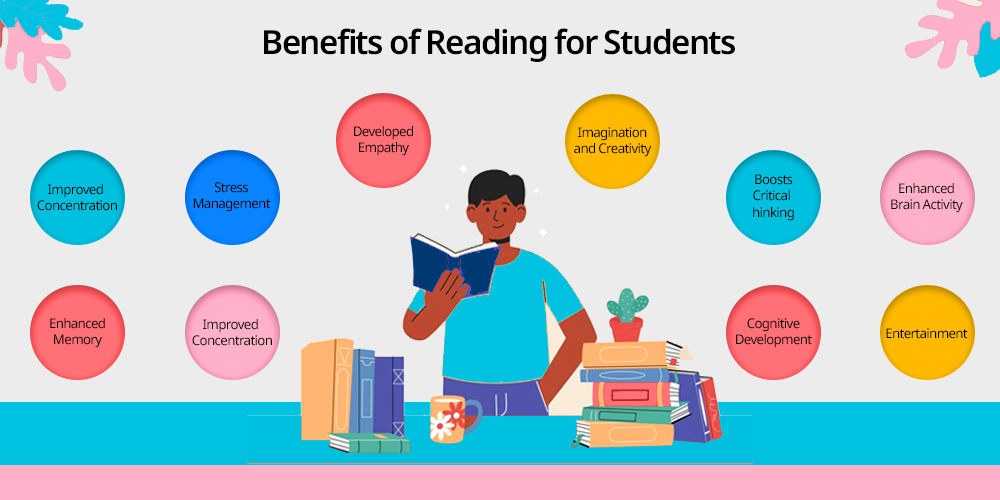
Children who read regularly develop stronger vocabulary, better grammar, and clearer sentence structures. Exposure to written language helps children understand how words work together, improving both speaking and writing abilities.
Reading also introduces children to new expressions, ideas, and storytelling patterns that they may not encounter in everyday conversation.
Reading Supports Cognitive Development
Learning to read strengthens memory, attention, and problem-solving skills. When children decode words, follow storylines, and make predictions, they actively engage their brains. This mental engagement supports critical thinking and comprehension skills that extend beyond reading itself.
Reading Boosts Academic Performance
Strong reading skills are closely linked to success in all school subjects. Math problems, science explanations, and social studies texts all require reading comprehension. Children who struggle with reading often fall behind academically, even if they are capable in other areas.
Reading Builds Confidence and Independence
When children can read independently, they gain confidence in their abilities. Reading empowers them to explore interests on their own, ask questions, and learn without constant assistance. This independence encourages lifelong learning habits.
Key Principles for Teaching Children to Read
Effective reading instruction follows several core principles. Understanding these principles helps parents and educators create a supportive and successful learning environment.
Start with Strong Language Foundations
Reading begins long before formal instruction. Listening to stories, engaging in conversations, and playing with sounds all contribute to early literacy development. Children who hear rich language daily are better prepared to learn to read.
Teach Systematically and Gradually
Reading skills build step by step. Children need to learn letters, sounds, word patterns, and sentence structures in a logical sequence. Skipping steps often leads to confusion and frustration.
Balance Skills and Meaning
Children need both decoding skills and comprehension skills. Teaching phonics without meaning can feel mechanical, while focusing only on meaning may leave gaps in word recognition. A balanced approach ensures children understand what they read while learning how to read.
Make Reading a Positive Experience
Children learn best when they feel motivated and supported. Encouragement, patience, and praise play a crucial role. Pressure and comparison can quickly reduce confidence and interest in reading.
Best Age to Start Teaching Children to Read
There is no single “perfect” age to start teaching reading. Children develop at different rates, but there are general guidelines to help parents and educators understand readiness.
Early Exposure: Ages 0–3
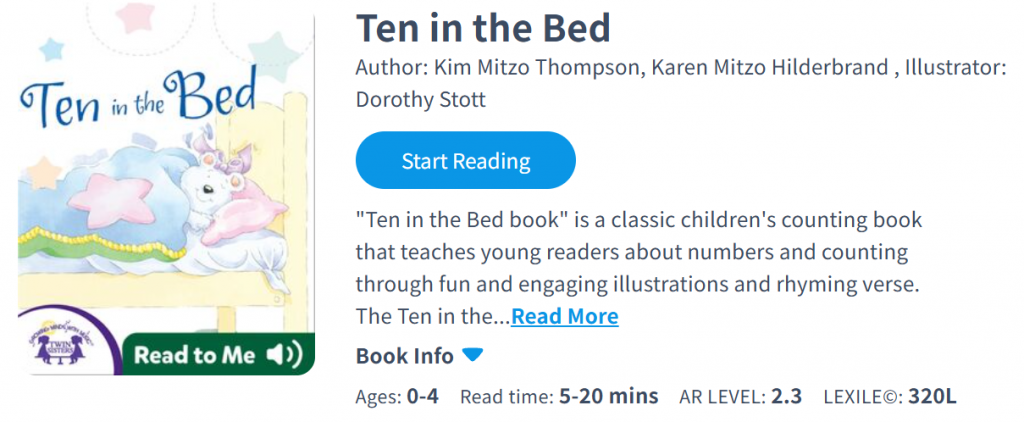
At this stage, reading is about exposure rather than instruction. Talking, singing, and reading aloud help children become familiar with sounds, rhythms, and vocabulary. Board books and picture books are ideal for building early interest.
Pre-Reading Stage: Ages 3–5
Many children begin recognizing letters, rhymes, and simple words during preschool years. This is an excellent time to introduce letter sounds, basic phonics, and playful word activities.
Formal Reading Instruction: Ages 5–7
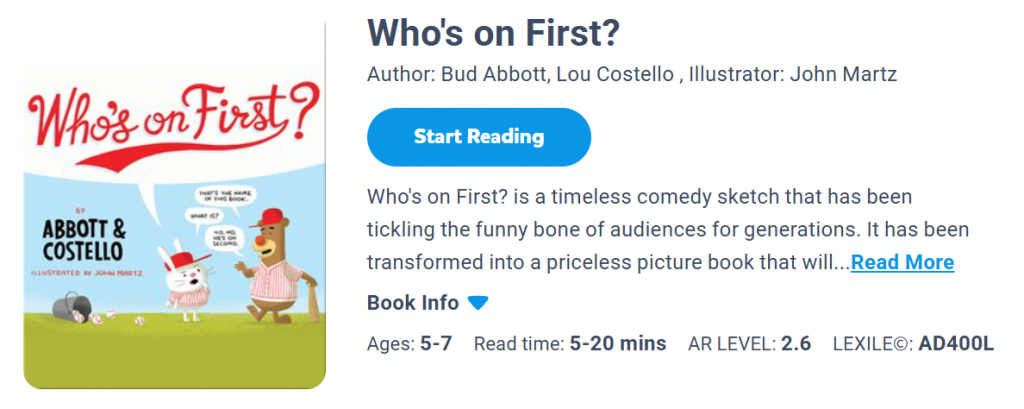
Most children are ready for structured reading instruction in kindergarten or first grade. They can learn to blend sounds, read simple sentences, and gradually build fluency.
Remember: Readiness Matters More Than Age
Some children read earlier, while others need more time. The key is to follow the child’s developmental readiness rather than focusing strictly on age.
Reading Milestones by Age
Understanding typical reading milestones helps parents and educators set realistic expectations for children’s reading development. These milestones also make it easier to identify when a child may need additional support or targeted instruction.
Ages 1–2: Early Literacy Awareness
At this stage, children begin to develop early literacy awareness through listening and observation. They enjoy being read to, show interest in books by pointing at pictures, and recognize familiar objects in stories. Simple narratives capture their attention, laying the foundation for later language and reading skills.
Ages 3–4: Pre-Reading Skills
During this period, children start building pre-reading skills. They recognize some letters, understand rhymes, and enjoy playing with sounds in words. Many children pretend to read by mimicking adults and can retell parts of a familiar story, showing early comprehension and narrative awareness.
Ages 5–6: Early Reading
Children in this age range begin formal reading development. They learn letter–sound relationships, read simple words, and understand basic sentence structures. Many start reading independently, using phonics and visual cues to make sense of short texts.
Ages 7–8: Developing Fluency
As reading skills strengthen, children read longer texts with improved accuracy and speed. They use decoding strategies more effectively, understand basic story structure, and gain confidence when reading aloud or silently. Reading becomes smoother and more automatic.
Ages 9+: Fluent Reading
At this stage, children read independently with strong fluency and comprehension. They can understand more complex texts, analyze meaning, and read not only for information but also for enjoyment. Reading becomes a key tool for learning across all subjects.
Best Methods for Teaching Children to Read
There are several proven methods for teaching children to read. The best approach often combines multiple strategies.
Phonics-Based Instruction
Phonics teaches children how letters and sounds connect. This method helps children decode unfamiliar words and is especially effective for early readers.
Sight Word Learning
Sight words are common words that children learn to recognize instantly. Teaching sight words supports reading fluency and comprehension.
Whole Language Approach
This method emphasizes meaning and context, encouraging children to learn through stories and real reading experiences. It works best when combined with phonics instruction.
Multisensory Learning
Using visual, auditory, and physical activities helps children retain information. Tracing letters, saying sounds aloud, and acting out stories all support learning.
Key Steps to Teach Kids to Read
Teaching children to read becomes much more effective when the process is broken down into clear, manageable steps. Each step builds on the previous one, helping children develop strong and confident reading skills over time.
Step 1: Build Phonemic Awareness
Phonemic awareness is the foundation of reading. Children need to recognize, hear, and manipulate individual sounds in spoken language before they can connect sounds to letters. Activities such as rhyming games, sound matching, identifying beginning or ending sounds, and clapping syllables help children become more aware of how words are made up of sounds. These skills directly support later phonics learning.
Step 2: Teach Letter Names and Sounds
Once children can hear and distinguish sounds, introduce letter names and their corresponding sounds. Teach letters gradually rather than all at once, and include both uppercase and lowercase forms. Repetition is key—use songs, flashcards, picture-word associations, and hands-on activities to reinforce learning. Always connect each letter to its sound so children understand how letters function in reading.
Step 3: Blend Sounds into Words
Blending is a critical skill that allows children to combine individual sounds into complete words. Start with simple consonant-vowel-consonant (CVC) words, such as cat or dog. Encourage children to say each sound slowly and then blend them together. Regular practice with blending builds decoding skills and helps children read unfamiliar words independently.
Step 4: Practice Reading Simple Texts
Reading short, simple, and repetitive texts allows children to apply what they have learned in a meaningful way. These early texts reinforce phonics patterns, sight words, and sentence structure. Frequent practice helps improve accuracy and fluency, while early success boosts confidence and motivation. Reading together and celebrating progress can further strengthen a child’s interest in reading.
From Alphabet to Books
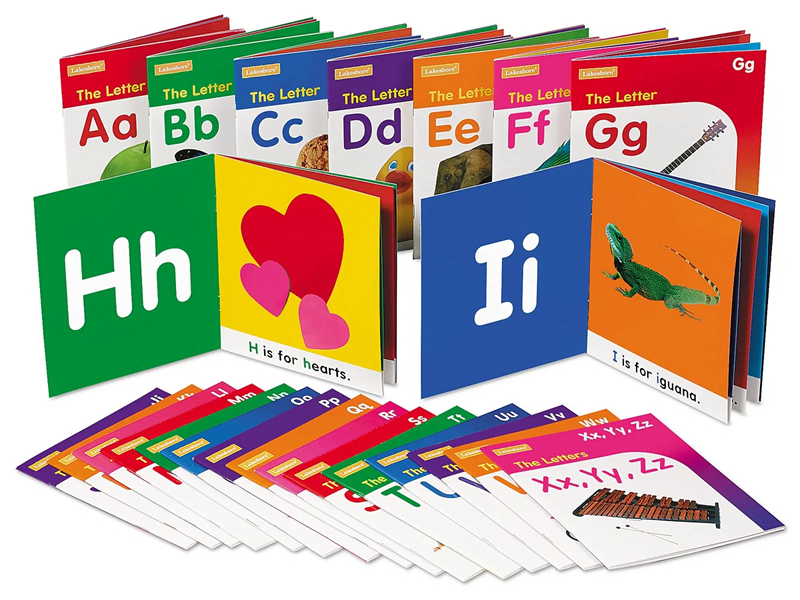
The transition from learning individual letters to reading full books should be gradual and supportive. Begin with alphabet books that reinforce letter recognition and sounds, then move on to simple phonics readers with controlled vocabulary. Encourage children to spot familiar words, letter patterns, and repeated phrases as they read.
Reading together during this stage is especially important. Shared reading allows adults to model fluent reading while giving children a sense of security. Over time, children naturally become more independent as their skills improve.
From Simple Words to Full Sentences
Once children can read basic words with confidence, introduce short and simple sentences. Repetition and predictable sentence structures make reading less intimidating and more enjoyable. Children benefit from seeing familiar words used repeatedly in meaningful contexts.
As confidence grows, gradually increase sentence length and complexity. Introduce new vocabulary slowly and provide plenty of encouragement. This steady progression helps children move from word-by-word reading to smoother, more fluent reading.
How to Make Reading Fun for Kids
Enjoyment plays a critical role in reading success. Children who enjoy reading practice more often and improve faster.
Create a Reading Routine
Daily reading routines build consistency. Even 15 minutes a day can make a significant difference over time.
Let Children Choose Books
Choice increases motivation. Allow children to select topics and genres that interest them, even if the books seem simple.
Read Aloud Together
Reading aloud models fluency, expression, and comprehension. It also creates a positive emotional connection with books.
Use Audio and Visual Support
Audio books for kids help children connect spoken language with written text. Listening while following along improves pronunciation and comprehension.
Recommended Books for Teaching Kids to Read
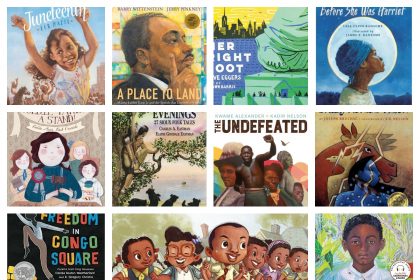
Choosing the right books plays a crucial role in helping children develop strong reading skills while staying motivated and engaged. Well-selected reading materials not only support decoding and comprehension but also shape a child’s attitude toward reading. When parents understand how to choose books wisely, it becomes much easier to see how to teach kids to read in a way that feels enjoyable rather than forced.
Best Beginner Books for Early Readers
For children who are just beginning to read, books with simple structures and clear visual support are the most effective. Alphabet books with bold, uncluttered illustrations help children connect letters with sounds and objects, reinforcing early phonics skills. Phonics readers that use short sentences and controlled vocabulary allow young readers to practice decoding without becoming overwhelmed. Repetitive pattern books are especially helpful because predictable language builds confidence and encourages children to read aloud.
Short stories that use familiar words and everyday situations further support comprehension and help children experience early reading success. Together, these types of books allow children to practice essential skills while enjoying the reading process.
Phonics Readers vs. Leveled Readers
Phonics readers and leveled readers serve different but equally important purposes in early reading instruction. Phonics readers are designed to focus on specific letter-sound relationships, making them ideal for children who are learning how words are formed. These books support systematic skill development and are especially useful when parents are learning how to teach kids to read step by step.
In contrast, leveled readers are organized by increasing difficulty and emphasize overall fluency and understanding. They expose children to more natural language patterns and varied sentence structures as reading ability grows. A well-rounded reading program typically includes both phonics readers and leveled readers, ensuring children build strong decoding skills while gradually improving fluency and comprehension.
Online Resources for Kids to Read
In today’s digital age, online resources offer a flexible and engaging way for children to practice reading outside the classroom or home environment. These platforms combine interactive content, games, and personalized progress tracking, making learning to read both fun and effective. Digital resources also allow children to explore a wide variety of genres and reading levels, helping parents and educators tailor reading experiences to each child’s needs.
One standout platform is Epic, the leading digital reading platform for kids, which provides access to over 40,000 high-quality books from more than 250 publishers. Epic supports children under 12 in building reading confidence and curiosity, offering a mix of Children’s Books for Ages 1-12, interactive features, and read-aloud options. By using such platforms, parents can monitor reading progress, introduce new vocabulary, and encourage independent reading in a safe and controlled environment.
Conclusion
Teaching kids to read is a journey that requires patience, consistency, and encouragement. By understanding reading development, using effective methods, and creating a positive reading environment, parents and educators can help children become confident and capable readers.
From early exposure to structured instruction, every stage matters. With the right tools, supportive guidance, and access to engaging resources, children can develop a lifelong love for reading.
FAQs
Q1: What is the most effective way to teach a child to read?
The most effective approach for teaching children to read is systematic phonics instruction. Reading engages multiple areas of the brain working together. As children learn to read, they connect printed letters with their corresponding sounds—a process known as phonics.
Q2: At what age do children typically start learning to read?
Children usually begin developing reading skills between the ages of 3 and 7. Formal decoding skills generally emerge around ages 5 to 7, while independent and fluent reading often develops between 7 and 11. These ages can vary depending on factors such as teaching methods, language exposure, home environment, and individual differences.
Q3: What are the main steps for teaching children to read?
Here are eight practical steps to help children learn to read:
- Introduce letter sounds.
- Teach the alphabet.
- Use phonics to form words.
- Emphasize sight words.
- Practice reading fluency.
- Develop comprehension skills.
- Promote meaningful conversations.
- Encourage independent reading.
Q4: What are the five R’s of reading?
The five R’s provide a structured way to understand and retain what you read: Read the text carefully, Recite key points, (w)Rite down important ideas, Reflect on the meaning, and Review the material within 24 hours to strengthen memory.