
Choosing the right books for 2nd graders can shape how children feel about reading for years to come. At this stage, young readers are building fluency, strengthening comprehension, and beginning to explore stories independently. The best books for 2nd graders balance engaging plots, relatable characters, and age-appropriate language while gently expanding vocabulary and ideas.
This carefully curated 2026 reading list brings together classic favorites, modern gems, early chapter books, and popular book series for 2nd graders. Whether your goal is to encourage independent reading, support classroom learning, or simply help a child fall in love with books, this guide offers thoughtful recommendations for every type of reader.
How to Select the Best Books for 2nd Graders
Before diving into specific titles, it helps to understand what makes a book suitable for a 2nd grader. Children around ages 7–8 vary widely in reading ability, attention span, and interests. The most effective reading books for 2nd graders meet children where they are while gently nudging them forward.
Strong choices usually feature clear sentence structures, familiar vocabulary with a few new challenges, and illustrations or formatting that support comprehension. Themes such as friendship, curiosity, family, animals, and problem-solving resonate especially well at this age. Equally important is enjoyment—good books for 2nd graders should feel fun, not like homework.
When books spark curiosity and confidence, children are far more likely to read willingly and often.
Top 20 Must-Read Books for 2nd Graders in 2026
The following table highlights 20 standout titles recommended for 2nd graders in 2026. These books span fiction, nonfiction, mystery, and realistic stories, offering a balanced reading experience.
| Book Title | Author | Theme |
|---|---|---|
| Guinea Dog | Patrick Jennings | Humor, friendship, unexpected pets |
| Malcolm Under the Stars | W.H. Beck | Mystery, teamwork, school adventure |
| Brilliant | Roddy Doyle | Family, courage, emotional growth |
| Finding Langston | Lesa Cline-Ransome | History, identity, grief |
| Fleabrain Loves Franny | Joanne Rocklin | Imagination, recovery, friendship |
| Book Uncle and Me | Uma Krishnaswami | Community, activism, love of books |
| Heart of a Samurai | Margi Preus | History, perseverance, cultural exchange |
| Rules of the Ruff | Heidi Lang | Independence, responsibility, resilience |
| Mystery of the Turtle Snatcher | Kyla Steinkraus | Mystery, clues, teamwork |
| Rhyme Stones | Pat Skene | Poetry, creativity, imagination |
| Curious Case of the Ransom Riddler | Kyla Steinkraus | Logic, puzzles, friendship |
| Murphy, Gold Rush Dog | Alison Hart | Loyalty, survival, historical adventure |
| Laura Ingalls Wilder | Ginger Wadsworth | Biography, storytelling, history |
| Weather Robots | Christine Zuchora-Walske | Science, technology, environment |
| Beagles | Valerie Bodden | Animals, responsibility, nonfiction |
| The World’s Biggest Birds | Mari Schuh | Nature, science, exploration |
| Explore Life Cycles! | Kathleen M. Reilly | Biology, growth, learning |
| Hilda and the Troll | Luke Pearson | Fantasy, courage, exploration |
| Geronimo Stilton Reporter Book 2 | Geronimo Stilton | Journalism, humor, mystery |
| Angry Birds: The Tale of a Featherless Friend | Paula Noronen | Friendship, empathy, adventure |
Best Chapter Books for 2nd Graders Ready to Level Up
As children grow more confident readers, many are ready to move beyond picture books and begin exploring short chapter books. At this stage, chapter books for 2nd graders should offer clear story structure, relatable characters, and chapters that feel achievable rather than intimidating. The goal is to stretch reading skills without causing frustration.
The following chapter books support that transition beautifully. Each title combines engaging storytelling with meaningful themes, helping young readers build stamina, comprehension, and emotional awareness while still enjoying the reading experience.
1. Guinea Dog
Author: Patrick Jennings
Theme:
This humorous story follows Rufus, a boy who desperately wants a dog but ends up with a guinea pig that behaves exactly like one. The guinea pig barks, bites, causes chaos, and completely disrupts the household, challenging everyone’s expectations about what a pet should be.

Significance:
With short chapters and laugh-out-loud moments, Guinea Dog is an excellent entry point into chapter books for 2nd graders. It reassures young readers that stories can be silly, surprising, and deeply comforting at the same time. The book also subtly explores family compromise and acceptance, making it both entertaining and emotionally grounded.
2. Malcolm Under the Stars
Author: W.H. Beck
Theme:
Set in a school secretly protected by animal guardians, this story follows Malcolm and his fellow classroom animals as they investigate a mysterious code and a missing coin. The mystery pushes Malcolm beyond his comfort zone and into the wider world, where danger, friendship, and responsibility await.

Significance:
This book introduces mystery elements in a way that is accessible to young readers. It encourages curiosity, teamwork, and problem-solving while gradually increasing plot complexity. For children ready to handle longer narratives, it serves as a strong bridge between early readers and more advanced chapter books.
3. Brilliant
Author: Roddy Doyle
Theme:
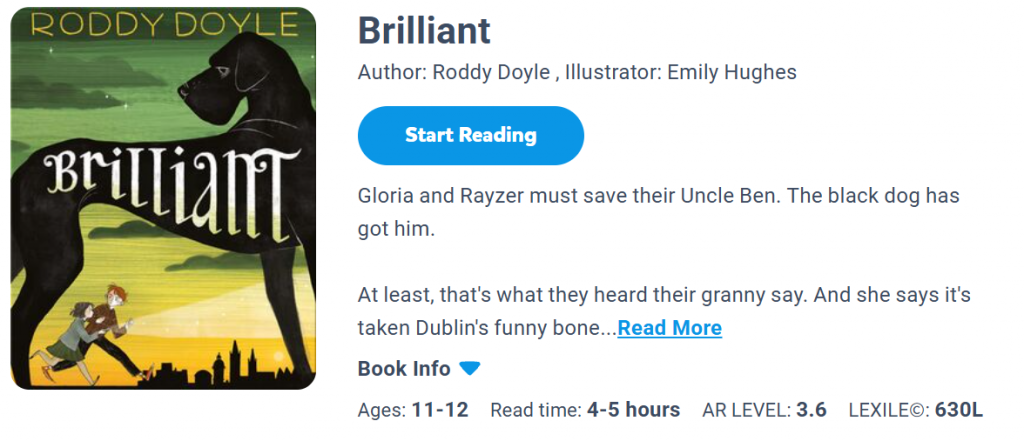
When Gloria and Rayzer notice their uncle losing his joy, they believe a frightening “Black Dog” has taken hold of him. The children embark on a nighttime quest to chase the creature away, joined by other children and magical animals who face the same fear haunting adults across the city.
Significance:
Brilliant uses fantasy to gently introduce young readers to emotional struggles such as sadness and anxiety. The story builds empathy and reinforces the idea that asking for help is a form of courage. It is one of the best books for 2nd graders who are beginning to notice complex emotions in themselves and others.
4. Finding Langston
Author: Lesa Cline-Ransome
Theme:
Set during the Great Migration, this novel follows Langston as he moves from Alabama to Chicago after his mother’s death. Struggling with grief, loneliness, and bullying, Langston finds refuge in a public library, where he discovers the poetry of Langston Hughes and begins to rebuild his sense of self.

Significance:
This book introduces historical fiction in a deeply personal way. Its poetic language and emotional depth make it ideal for confident readers ready to explore history through lived experience. It helps children understand loss, identity, and the power of books as a source of comfort and connection.
5. Fleabrain Loves Franny
Author: Joanne Rocklin
Theme:
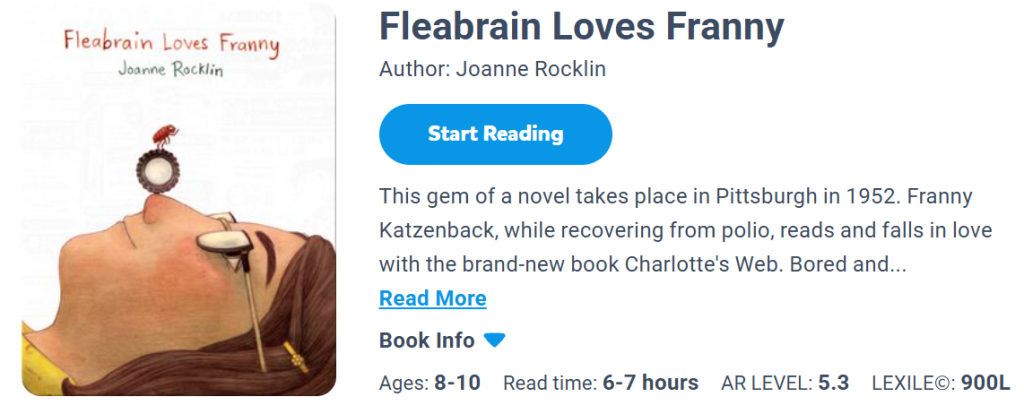
Recovering from polio in 1950s Pittsburgh, Franny feels isolated from her active neighborhood life. She forms an unusual friendship with Fleabrain, a well-read flea who lives on her dog and takes her on imaginative adventures inspired by classic literature.
Significance:
Blending humor with historical context, this novel highlights resilience, creativity, and the healing power of stories. It reassures young readers that imagination can be a source of strength during difficult times, making it a comforting and enriching chapter book choice.
6. Book Uncle and Me
Author: Uma Krishnaswami
Theme:
Yasmin borrows books daily from Book Uncle’s free sidewalk library until a local official threatens to shut it down. Drawing inspiration from a folktale, Yasmin and her friends organize their community to protect the library and make their voices heard.

Significance:
This story shows how ordinary children can create meaningful change. It introduces ideas of civic responsibility, cooperation, and community action in an age-appropriate way, while celebrating reading as a force that brings people together.
7. Heart of a Samurai
Author: Margi Preus
Theme:
Based on a true story, the novel follows Manjiro, a Japanese boy who survives a shipwreck and travels to America during a time when Japan was closed to the outside world. His journey exposes him to new cultures, languages, and ideas that later shape his destiny.

Significance:
This book expands young readers’ global awareness and introduces historical adventure beyond familiar settings. It encourages curiosity, adaptability, and lifelong learning, making it ideal for 2nd graders ready to explore the wider world through books.
8. Rules of the Ruff
Author: Heidi Lang
Theme:
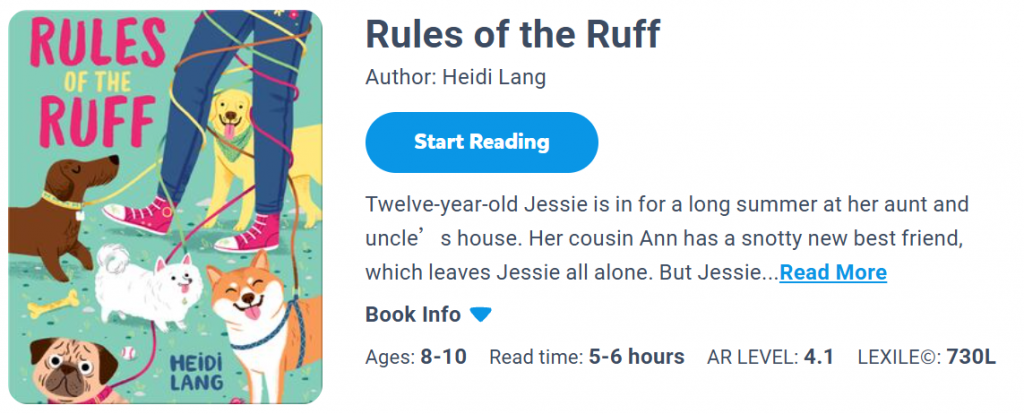
Spending the summer feeling overlooked, Jessie becomes an apprentice dog walker and learns the “Rules of the Ruff.” As she builds her own pack, she faces competition, responsibility, and personal setbacks that test her determination.
Significance:
This story emphasizes independence, resilience, and self-confidence. Its realistic challenges and relatable emotions help young readers understand perseverance while enjoying a fun, animal-centered narrative.
Popular Book Series for 2nd Graders
Book series for 2nd graders are especially effective in building consistent reading habits. Familiar characters and recurring settings allow children to focus less on decoding and more on understanding the story, making reading feel easier and more enjoyable over time.
1. Hilda and the Troll
Author: Luke Pearson
Theme:
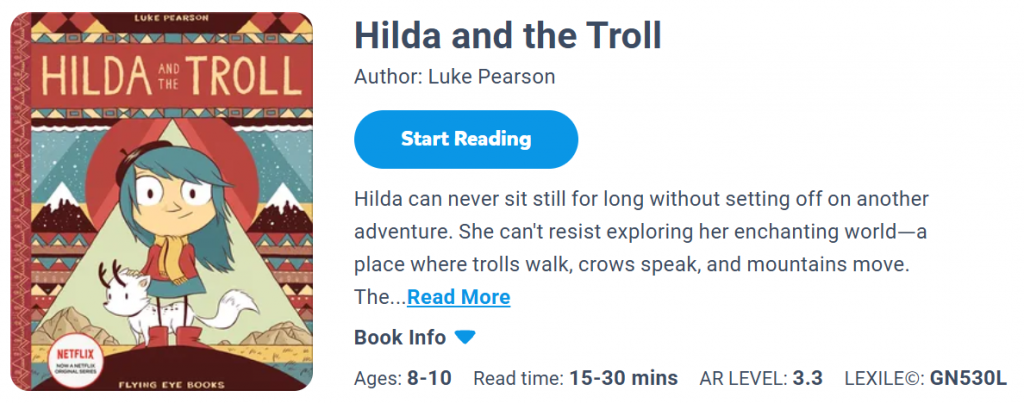
Hilda explores a magical world filled with trolls, giants, and talking creatures. Her curiosity often leads her into danger, but her kindness and bravery help her navigate unfamiliar landscapes.
Significance:
The series combines visual storytelling with accessible text, making it ideal for readers transitioning into longer books. It encourages curiosity, courage, and empathy while keeping reading fun and imaginative.
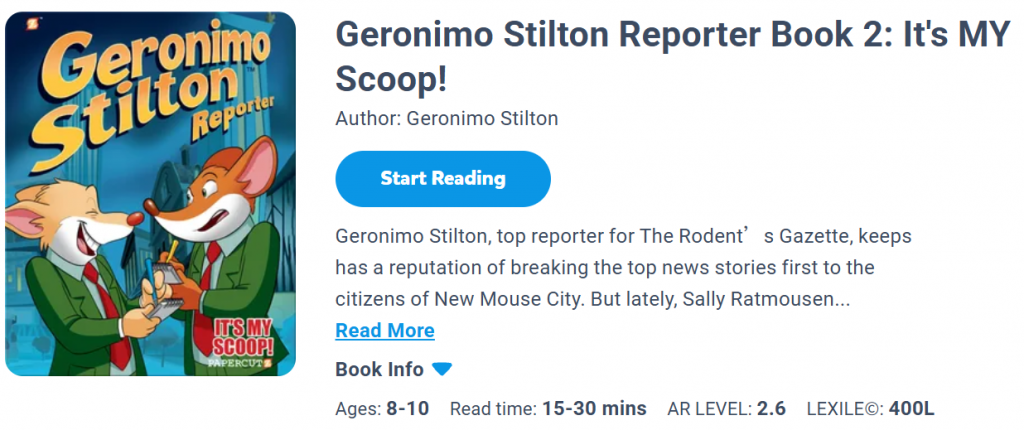
2. Geronimo Stilton Reporter Book 2: It’s MY Scoop!
Author: Geronimo Stilton
Theme:
Geronimo races to uncover major news stories while competing with a rival reporter who threatens to steal his scoop. The story mixes journalism, mystery, and humor in a fast-paced format.
Significance:
With playful typography and short chapters, this series is particularly effective for reluctant readers. It builds confidence while reinforcing reading fluency and comprehension.
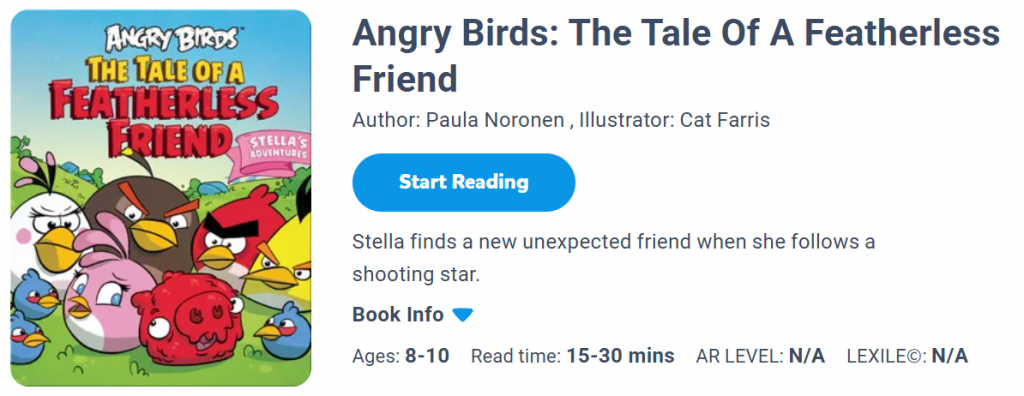
3. Angry Birds: The Tale of a Featherless Friend
Author: Paula Noronen
Theme:
When Stella meets an unusual new friend, she learns about kindness, acceptance, and understanding differences within a familiar Angry Birds world.
Significance:
Well-known characters help draw children into reading, while the story reinforces empathy and social awareness—key skills for early elementary readers.
Best Books for 2nd Graders
This section features a wide range of genres, from mystery and poetry to science and biography. These reading books for 2nd graders support literacy development while appealing to diverse interests.
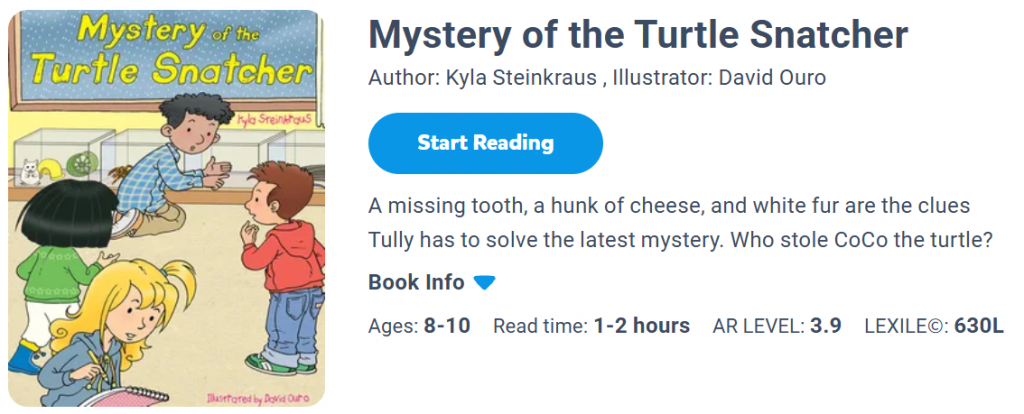
1. Mystery of the Turtle Snatcher
Author: Kyla Steinkraus
Theme:
A missing turtle sets off a search filled with clues, strange objects, and surprising discoveries as young detectives work together to solve the case.
Significance:
This book strengthens logical reasoning and observation skills while keeping the mystery light and age-appropriate.
2. Rhyme Stones
Author: Pat Skene
Theme:
Through playful poems and imaginative scenarios, readers encounter witches, bullies, and everyday moments transformed by rhyme and creativity.

Significance:
The book introduces poetry as something fun and expressive, helping children develop language awareness and a love for wordplay.
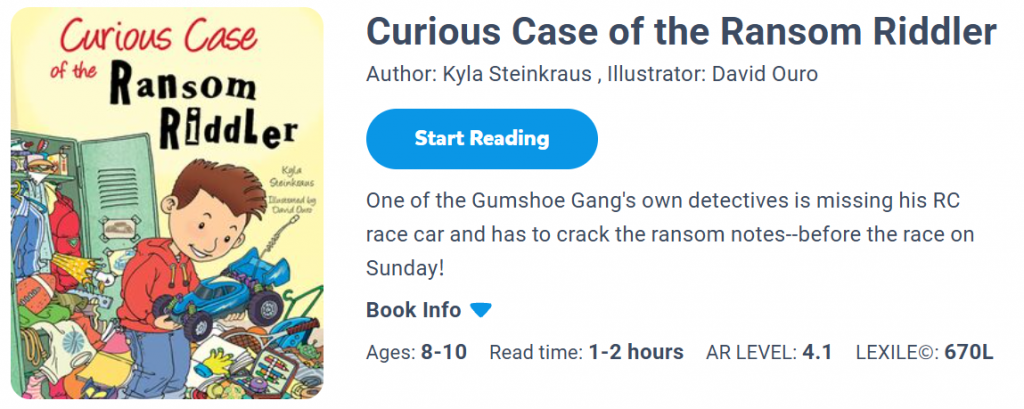
3. Curious Case of the Ransom Riddler
Author: Kyla Steinkraus
Theme:
When a prized RC car disappears, a group of young detectives must decode riddles and solve puzzles before time runs out.
Significance:
The story encourages critical thinking and collaboration while maintaining a lively, engaging pace.
4. Murphy, Gold Rush Dog
Author: Alison Hart
Theme:
Set during the Alaskan Gold Rush, the story follows Murphy and his owner as they face harsh conditions in search of a better life.

Significance:
By blending animal adventure with historical context, the book introduces history in a way that feels personal and exciting.
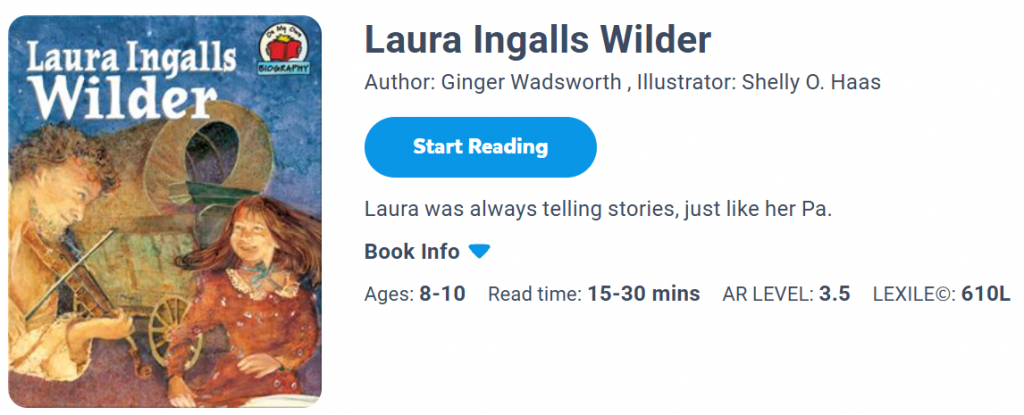
5. Laura Ingalls Wilder
Author: Ginger Wadsworth
Theme:
This biography explores Laura’s childhood and early love of storytelling, offering insight into the experiences that shaped her as a writer.
Significance:
It inspires young readers to see how everyday experiences can become meaningful stories.
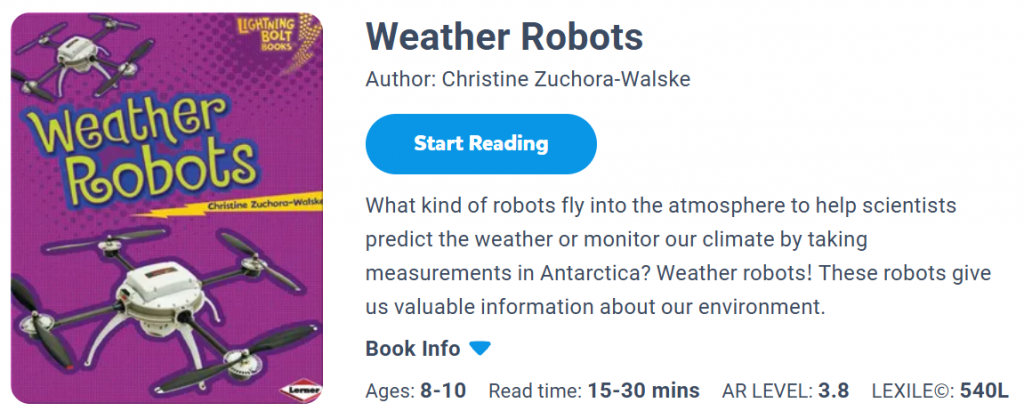
6. Weather Robots
Author: Christine Zuchora-Walske
Theme:
The book explains how robots help scientists study weather and climate in extreme environments around the world.
Significance:
Clear explanations and engaging examples make science approachable for early readers.
7. Beagles
Author: Valerie Bodden
Theme:
Readers learn about beagles’ characteristics, behavior, and care, along with famous examples from popular culture.

Significance:
This nonfiction title supports informational reading skills and teaches responsibility toward animals.
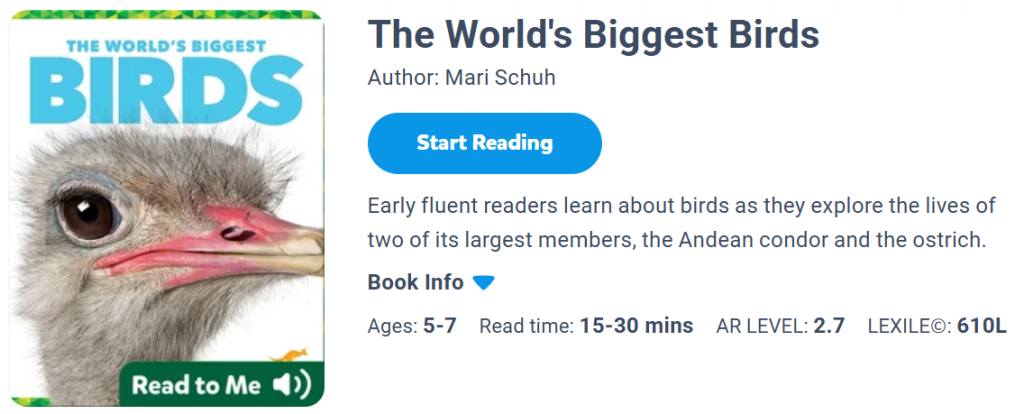
8. The World’s Biggest Birds
Author: Mari Schuh
Theme:
The book introduces children to some of the largest birds on Earth, exploring their habitats and unique traits.
Significance:
It builds curiosity about nature while reinforcing nonfiction comprehension.
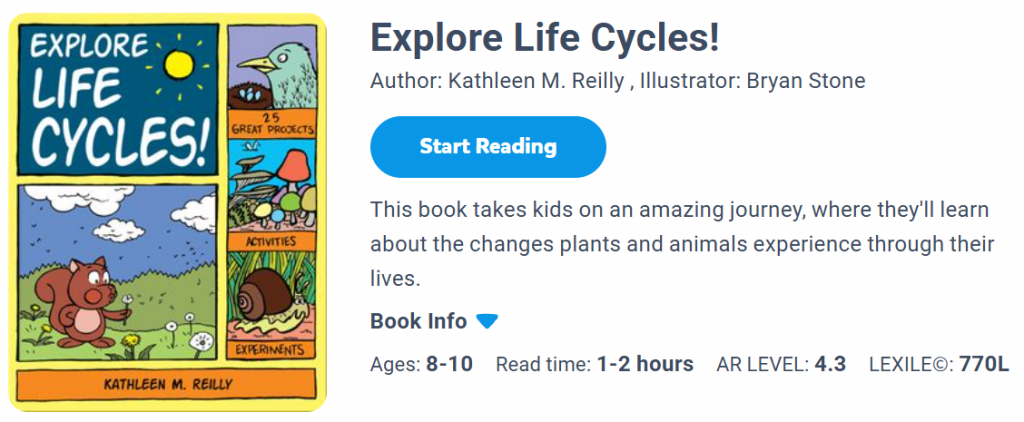
9. Explore Life Cycles!
Author: Kathleen M. Reilly
Theme:
Young readers discover how plants and animals grow and change throughout their lives.
Significance:
This book lays a strong foundation for basic biology concepts using simple, engaging explanations.
Free and Online Reading Resources for 2nd Graders
Access to books is just as important as choosing the right titles. Even the best books for 2nd graders cannot make an impact if children do not have regular opportunities to read. Fortunately, digital reading platforms have made high-quality reading materials more accessible than ever, especially for families and schools looking for affordable or free options.
One of the most trusted resources is Epic, the leading digital reading platform for kids. It provides access to over 40,000 carefully curated books from more than 250 top publishers. Designed specifically for children aged 12 and under, the platform offers a safe, ad-free environment where young readers can explore reading books for 2nd graders at their own pace. With features like audiobooks, read-to-me support, and leveled reading options, the platform helps children read independently while building confidence and interest in reading.
By combining physical books with digital resources, parents and educators can ensure that children always have something engaging to read – at home, in the classroom, or on the go.
How to Choose Books That Match Reading Ability
Choosing books that align with a child’s reading ability is essential for long-term reading success. Books that are too difficult can lead to frustration and avoidance, while books that are too easy may limit growth. The best books for 2nd graders strike a balance between comfort and challenge.
One simple and effective method is the five-finger test. If a child struggles with more than five unfamiliar words on a single page, the book may be too advanced for independent reading. In this case, the book might still work well as a read-aloud or shared reading experience.
It is also helpful to offer a mix of reading levels. Easier books build fluency and confidence, while slightly more challenging texts introduce new vocabulary and sentence structures. Over time, this combination supports steady progress without making reading feel overwhelming. Paying attention to a child’s comprehension and enjoyment is just as important as measuring technical reading level.
How to Help 2nd Graders Develop a Love of Reading
Developing a love of reading is not about pressure or strict rules—it is about creating positive, meaningful experiences with books. When children associate reading with comfort, curiosity, and enjoyment, they are far more likely to become lifelong readers.
Build a Daily Reading Routine
Consistency plays a major role in reading development. Setting aside a regular time each day for reading helps children see it as a normal and enjoyable part of life. Even 15–20 minutes of daily reading can significantly improve fluency, vocabulary, and comprehension over time.
This routine does not need to be rigid. Reading before bed, after school, or during quiet time all work well. What matters most is that reading happens regularly and without pressure.
Encourage Choice and Reading Interest
Allowing children to choose what they read is one of the most effective ways to increase motivation. Some children are drawn to mystery stories, while others prefer animals, humor, or science topics. All of these options count as valuable reading experiences.
By respecting a child’s interests and offering a variety of good books for 2nd graders, adults help children develop independence and confidence as readers. Choice also reinforces the idea that reading is personal and enjoyable, not just an academic task.
Conclusion
The best books for 2nd graders do far more than support reading skills. They spark curiosity, nurture empathy, and help children make sense of the world around them. By offering a thoughtful mix of chapter books, book series for 2nd graders, nonfiction titles, and free online reading resources, parents and educators can create a rich reading environment that supports both skill development and genuine enjoyment. With the right books and supportive reading habits, 2nd graders can grow into confident, enthusiastic readers.
FAQs
What books should 2nd graders read?
2nd graders should read a mix of picture books, early chapter books, and simple nonfiction. The best books for 2nd graders match their reading level, use clear language, and include engaging stories that gently build fluency and comprehension.
What are some classic books for 2nd graders?
Classic books for 2nd graders often include animal stories, early chapter books, and light historical fiction with simple plots and familiar themes like friendship and kindness. These books are easy to follow and emotionally reassuring.
What should 7-year-olds be reading?
Seven-year-olds should read books that support fluency while introducing longer stories and richer vocabulary. Chapter books for 2nd graders and short series with familiar characters work especially well.
How do I choose the right book for a 2nd grader?
Choose books that fit the child’s reading ability and personal interests. Good books for 2nd graders feel enjoyable, not frustrating, and encourage children to read independently with confidence.