

Introduction
Soccer is a built-in “hook” that can turn reluctant readers into motivated readers—especially when kids get to choose books that match what they already love. Choice strengthens reading motivation, and reading for enjoyment is positively associated with stronger reading performance.
This publish-ready list curates 12 soccer books for two age bands—6–9 and 9–12—with exactly 6 picks per age group.
Why Soccer Books Help Kids Love Reading
Turning Sports Passion Into Reading Motivation
Soccer is one of the most widely played and followed sports worldwide, so many kids already feel invested in the topic before they open a book.
When that interest carries into reading, it becomes easier to build a consistent habit—because the child is reading about something they genuinely want to know more about.
Choice matters here. Research-based guidance for classrooms and families emphasizes that letting children choose what they read (and helping them choose well) strengthens motivation—especially for kids who are less confident readers.
![Turning Sports Passion Into Reading Motivation]](https://www.kidireading.com/wp-content/uploads/2026/03/sports-reads-082923-1-726x1024.png)
Vocabulary, Teamwork, and Real-World Learning
Soccer books naturally introduce high-utility vocabulary (positions, strategies, equipment, rules) while staying concrete and “visual” in a child’s mind. Many soccer nonfiction books are also packed with text features—glossaries, captions, sidebars—that support comprehension and make skim-reading feel successful. (Several Epic picks below explicitly include glossaries/sidebars and skills-and-rules explanations.)
Just as importantly, soccer stories often model teamwork, persistence, and handling wins and losses—core social-emotional skills families value in their reading choices.
Why Age-Level Matters When Choosing Soccer Books
Reading enjoyment is linked with stronger reading outcomes in large-scale international data, and maintaining enjoyment becomes more important as kids grow older.
The “right” soccer book for a 7-year-old usually means short sections, supportive text features, and immediate payoff. For a 10–12-year-old, it often means longer chapters, deeper facts, and more complex humor or competition narratives.
Best Soccer Books for Kids Ages 6-9
What Makes a Great Soccer Book for Ages 6-9?
Short chapters or short sections with fast payoff.
Clear visuals (photos or illustrations) and supportive text features like labels or a glossary.
Concrete, kid-centered topics: gear, rules, positions, practice, and simple soccer stories.
Reading level that feels doable—even if the kid is excited, frustration can shut momentum down.
Top Soccer Book Picks for Ages 6-9
| Number | Title | Author | Age/Grade |
| 1 | My Favorite Sport: Soccer | Nancy Streza | 5–7 |
| 2 | Sports How To: Soccer | Julie Murray | K–2 |
| 3 | Soccer: Great Moments, Records, and Facts | Teddy Borth | K–2. |
| 4 | That’s Not How You Play Soccer, Daddy! | Sherry Shahan | 5–7 |
| 5 | Sun | Alison Oliver | K–2 |
| 6 | Soccer Star | Mina Javaherbin | 5–8 |
1. My Favorite Sport: Soccer – Author: Nancy Streza
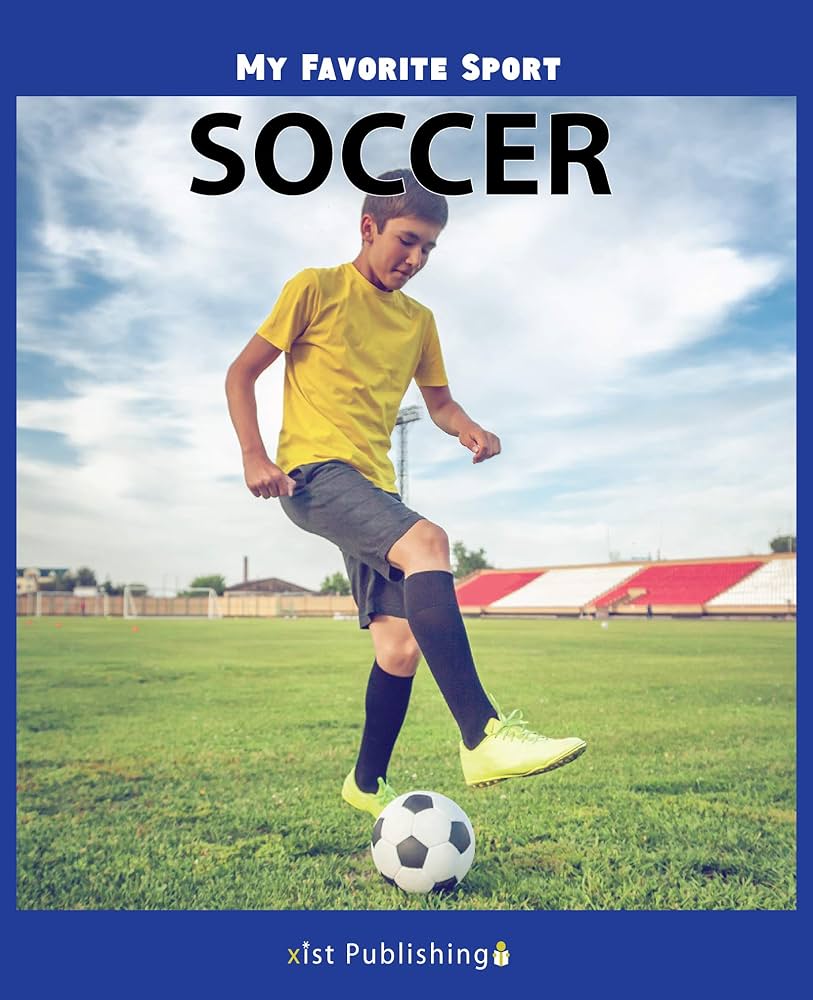
Reading level : AR 3.0; Lexile 490L;
Ages 5–7 (works well for many 6–9 readers)
This friendly nonfiction introduction explains what soccer is, how the game is played, and what kids need to get started. It covers the basics—rules, scoring, equipment, and core skills—in a straightforward, classroom-ready way that helps new fans understand what they see on the field.
Why kids will love it: It answers the “how does this work?” questions kids ask during a game. The simple structure makes it easy to read a little at a time and still feel finished.
Best for: Kids who are new to soccer
2. Sports How To: Soccer – Author: Julie Murray
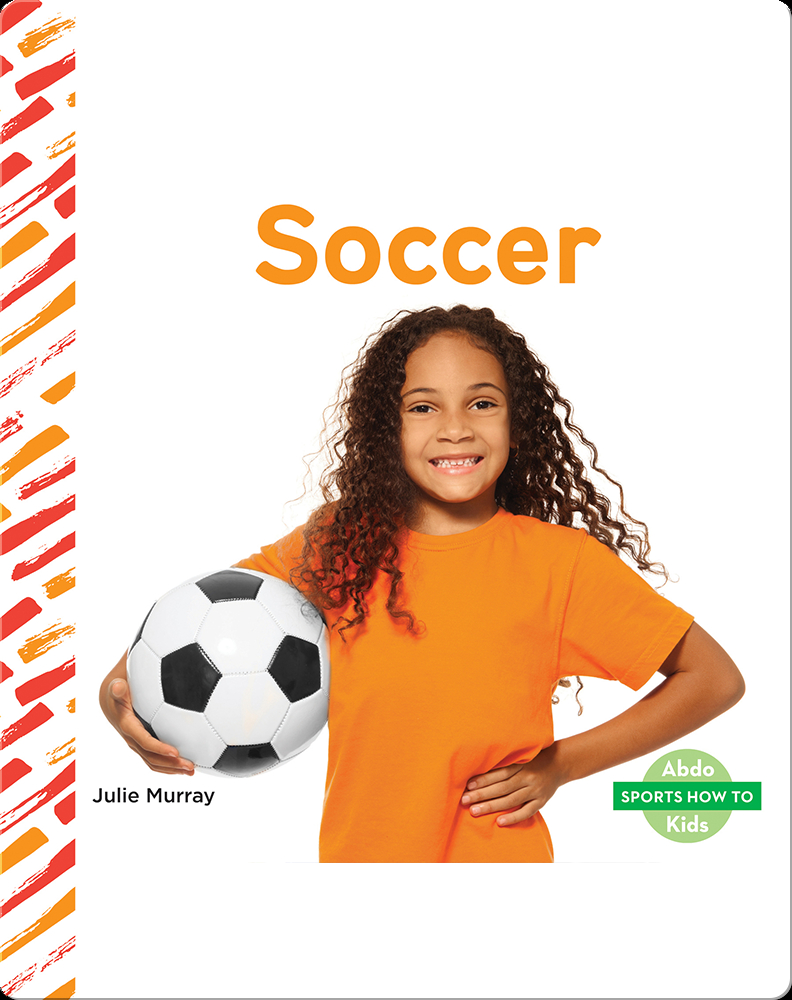
Reading level: AR 1.1; Lexile 400L;
interest level Preschool–Grade 2
A beginner “how-to” guide that introduces the basic rules, key equipment, and what soccer looks like on the field. Diagrams and photos support comprehension so kids can connect the words to real actions like passing, shooting, and learning positions—without feeling overwhelmed by long text.
Why kids will love it: It feels like a mini coaching session in book form. The visuals make it easy to understand even for kids who don’t love long pages of text.
Best for: Early readers who want to “play better tomorrow.”
3. Soccer: Great Moments, Records, and Facts – Author: Teddy Borth
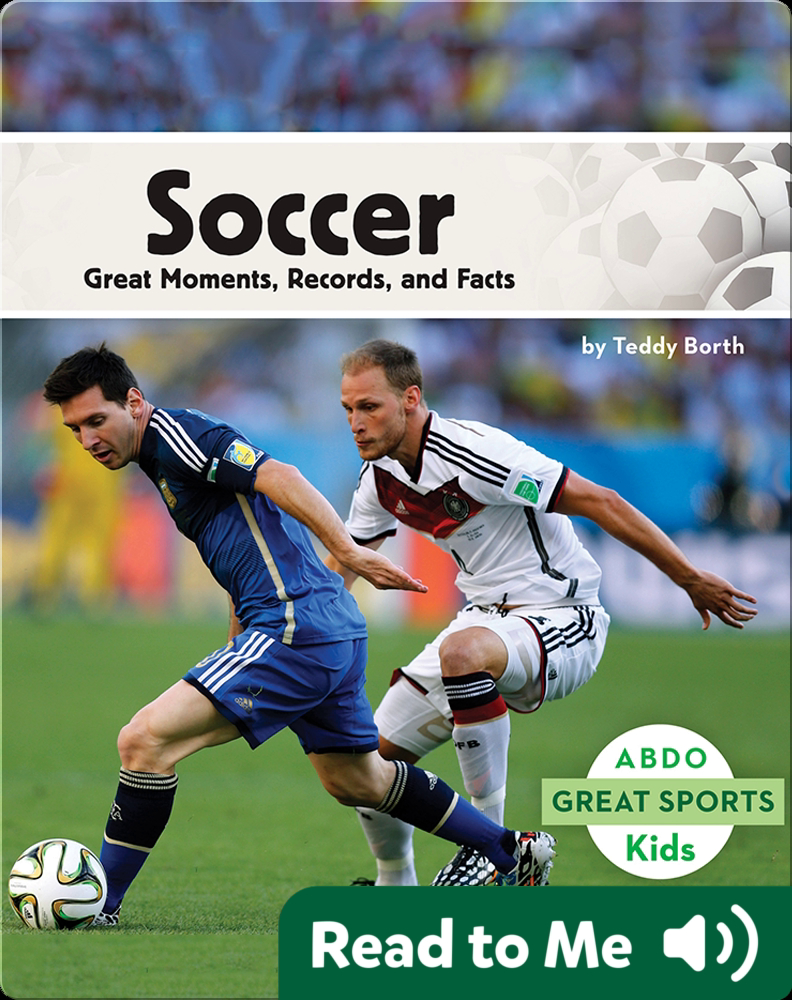
Reading level : AR 2.3; Lexile 450L; reading level Grade 1;
Interest level Preschool–Grade 2.
This fast, photo-driven book spotlights memorable soccer moments and record-setting achievements in an easy-to-read format. Short sections and kid-friendly facts introduce the idea that soccer has a history full of big games and big milestones—perfect for curious young fans who love “wow!” stats.
Why kids will love it: The “record and moment” format is perfect for short attention spans. It’s also a great conversation-starter after watching a match or practice.
Best for: Kids who love sports records, highlights, and fun facts.
4. That’s Not How You Play Soccer, Daddy! – Author: Sherry Shahan , Illustrator: Tatjana Mai-Wyss
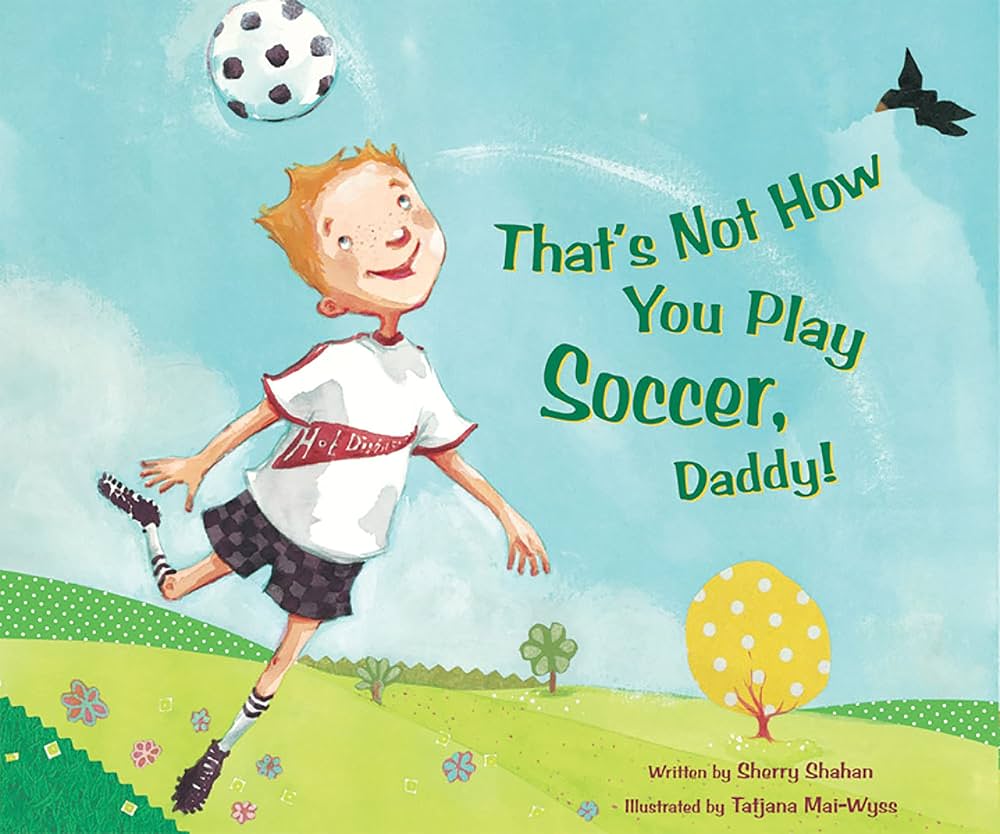
Reading level : AR 1.6; Lexile 490L;
Ages 5–7 (works well as a read-aloud through age 8–9).
After a tough soccer practice, Mikey goes to the park with his dad and their dog. But Mikey can’t stop thinking about the “Big Game,” so he keeps practicing—sometimes a little too seriously. This warm story captures how kids can get laser-focused on improving, with gentle humor throughout.
Why kids will love it: The parent-child dynamic feels real and funny. It’s also reassuring for kids who care a lot about getting things “right.”
Best for: Kids who enjoy story-based soccer books more than facts.
5. Sun —- Author: Alison Oliver, Illustrated by Alison Oliver
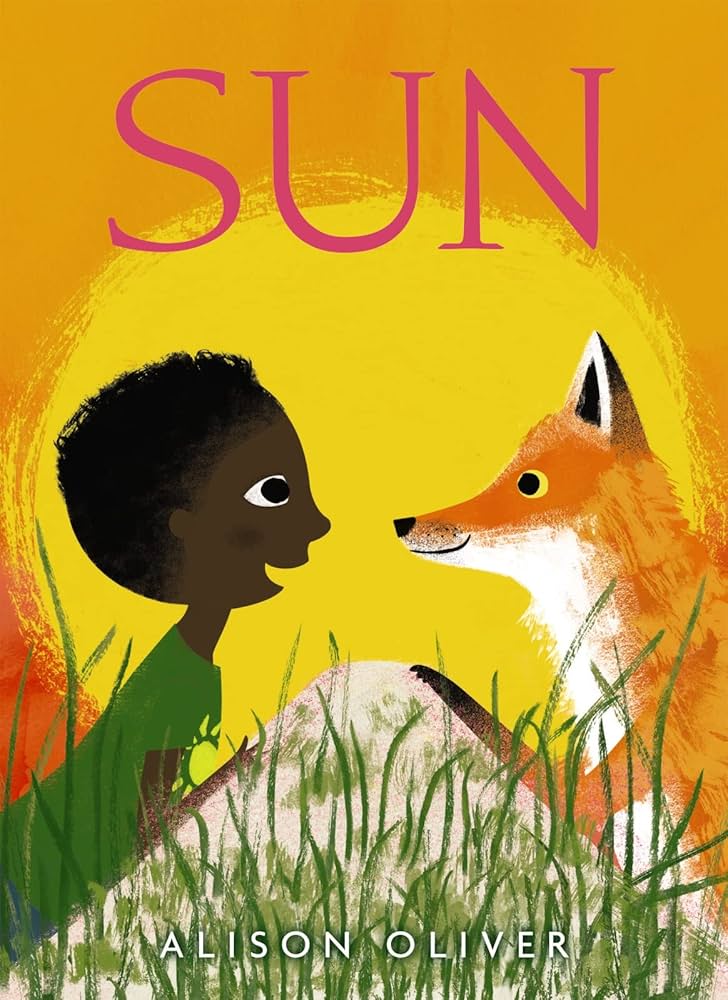
Reading level : Picture-book read-aloud; independent reading often begins around K–2 (approx).
Sun loves soccer—the cheers, the competition, the win. But something still feels missing. After seeing his younger brother making art, Sun remembers his own creativity and heads to the beach to think. A magical encounter helps him rediscover joy, showing kids that identity can include more than one passion.
Why kids will love it: The illustrations are calming and emotionally expressive. Many kids relate to loving one big hobby while secretly missing another.
Best for: Sensitive kids; families who want sports + SEL in one read-aloud.
6. Soccer Star – Author: Mina Javaherbin
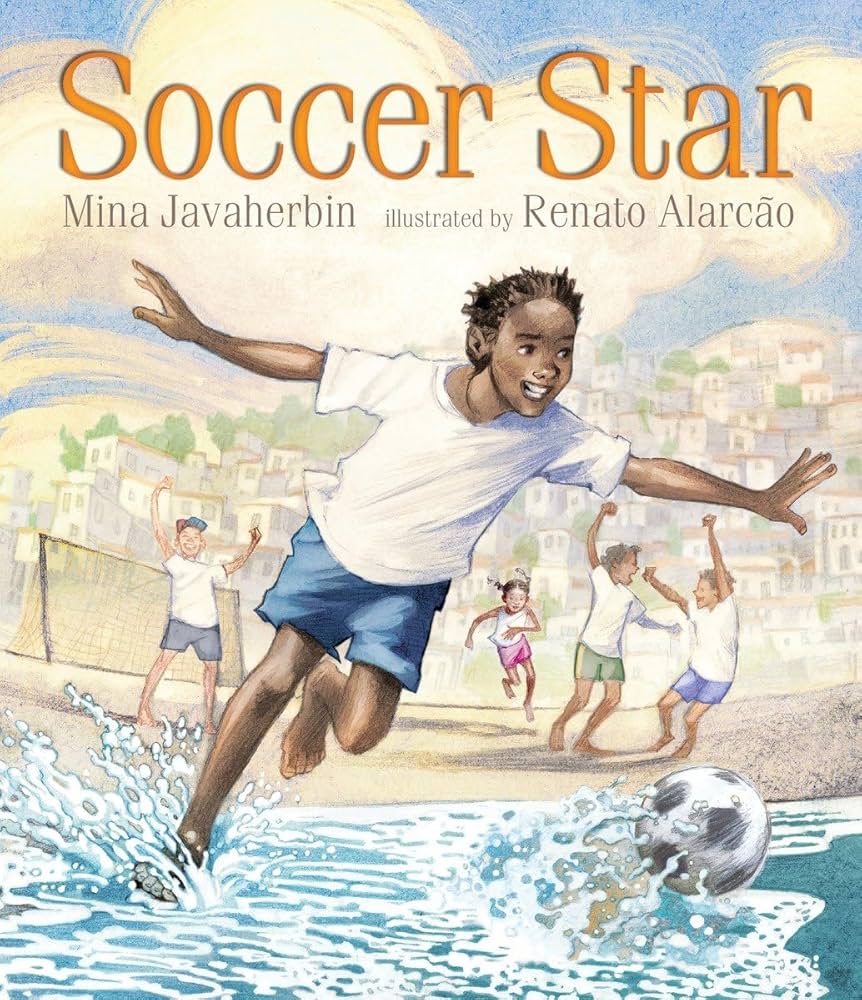
Reading level : Picture book; publisher age range 5–8 (great for ages 6–9 as read-aloud or emerging independent reading).
Paulo dreams of becoming a soccer star so his family can have an easier life. Until then, he works hard and cares for his little sister, Maria—who teaches him reading while he teaches her soccer moves. This hopeful story shows how family support, practice, and patience can grow big dreams over time.
Why kids will love it: It’s inspiring without feeling preachy. The sibling teamwork is heartwarming and easy for kids to understand.
Best for: Kids who like emotional, character-driven stories (and families who value sibling bonds).
Best Soccer Books for Kids Ages 9-12
What Makes a Great Soccer Book for Ages 9-12?
Longer “informational stamina”: chapters, sidebars, deeper stats, and real-world context.
More sophisticated humor or competition themes (pressure, confidence, nerves, identity).
A mix of formats: trivia, biographies/teams, and big-tournament history.
A level that respects the reader—strong 9–12 readers often want “real” details, not baby facts.
Top Soccer Book Picks for Ages 9-12
| Number | Title | Author | Age/Grade |
| 1 | Soccer Trivia | Jon Marthaler | Age range 8–10 |
| 2 | G.O.A.T. Soccer Goalkeepers | Alexander Lowe | Age range 6–10 |
| 3 | The World Cup: Soccer’s Global Championship | Matt Doeden | Age range 11–12 |
| 4 | US Women’s National Team: Soccer Champions | Jeff Savage | Age 8+ |
| 5 | Absolute Expert: Soccer | Eric Zweig | Age range 8–12 |
| 6 | King of the Bench: Kicking & Screaming | Steve Moore | Age range 8–12 |
1. Soccer Trivia – Author: Jon Marthaler
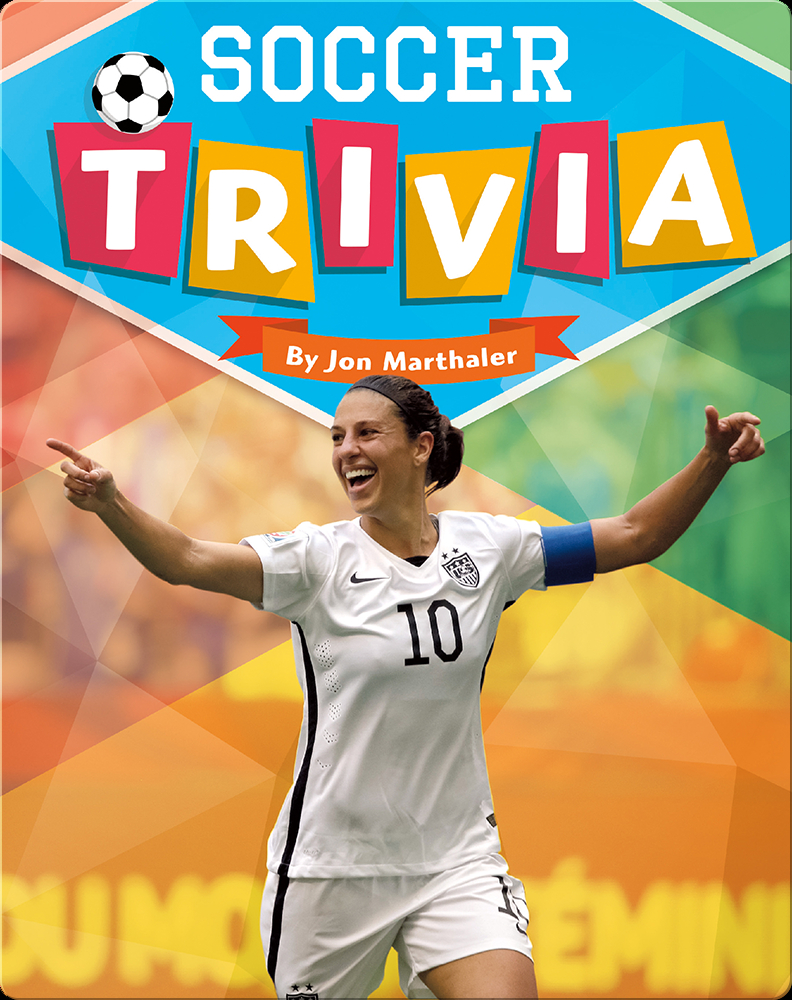
Reading level (approx): AR 4.9; Lexile 860L;
Ages 8–10 (often appealing through 12 because trivia scales with knowledge).
This trivia-packed book tests knowledge of soccer history, rules, and memorable moments with sidebars, quizzes, and a glossary. It’s built for browsing—kids can read one page, learn a surprising fact, and jump to the next section without losing the thread. Great for quick reads and soccer-obsessed curiosity.
Why kids will love it: Trivia feels like a game, not homework. It’s also perfect for friendly competitions—siblings can quiz each other or challenge a parent.
Best for: Reluctant readers who prefer bite-size text.
2. G.O.A.T. Soccer Goalkeepers – Author: Alexander Lowe
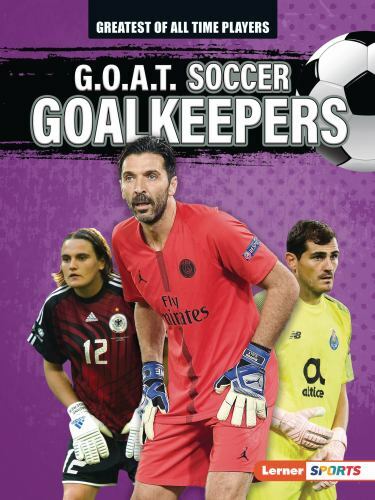
Reading level (approx): Lexile 820;
Interest level Grade 2–5; “debate and stats” content plays well with older soccer fans.
Who is the greatest soccer goalkeeper of all time? This book makes the case using memorable saves, scoreless streaks, championships, and a top-ten-style structure that invites debate. It encourages kids to compare evidence, form opinions, and even build their own G.O.A.T. list—exactly the kind of talk soccer fans love
Why kids will love it: It reads like a sports argument in the best way. Kids can finish it and immediately start defending their own rankings.
Best for: Goalies—or kids who respect defense as much as scoring.
3. The World Cup: Soccer’s Global Championship – Author: Matt Doeden
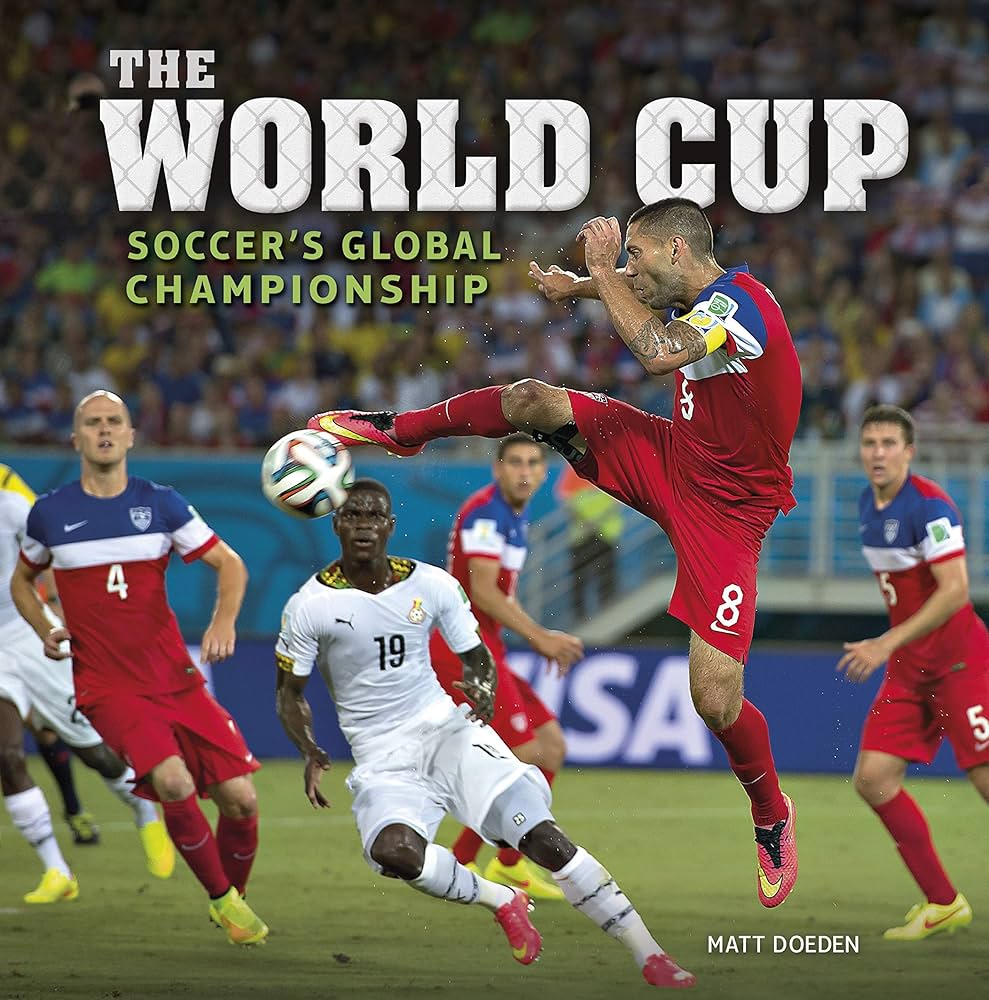
Reading level (approx): AR 6.7; Lexile 990; Ages 11–12 (strong fit for this band).
This detailed, photo-rich overview explains why the World Cup matters and how it became the biggest tournament in international soccer. It covers iconic moments, shocking upsets, and the fan culture around the event, supported by sidebars and reference-friendly features like further reading and an index.
Why kids will love it: It feels “big league,” like reading the backstory of a global event. It’s also a great pick for kids who enjoy sports documentaries and want real context.
Best for: Kids who ask, “Why is the World Cup such a big deal?”
4. US Women’s National Team: Soccer Champions – Author: Jeff Savage

Reading level (approx): AR 5.0; Lexile 900; reading level Grade 3 (publisher-listed).
This team-focused nonfiction title introduces the history and achievements of the U.S. Women’s National Team, explaining how it got started and why its championships mattered. With photos and a clear structure, it’s approachable for upper-elementary readers—and especially motivating for kids who want more women’s soccer stories alongside the men’s game.
Why kids will love it: It’s inspiring without being overly dense. Kids who admire elite athletes often enjoy learning how champions actually get built over time.
Best for: Fans who want more women’s soccer on their bookshelf.
5. Absolute Expert: Soccer – Author: Eric Zweig
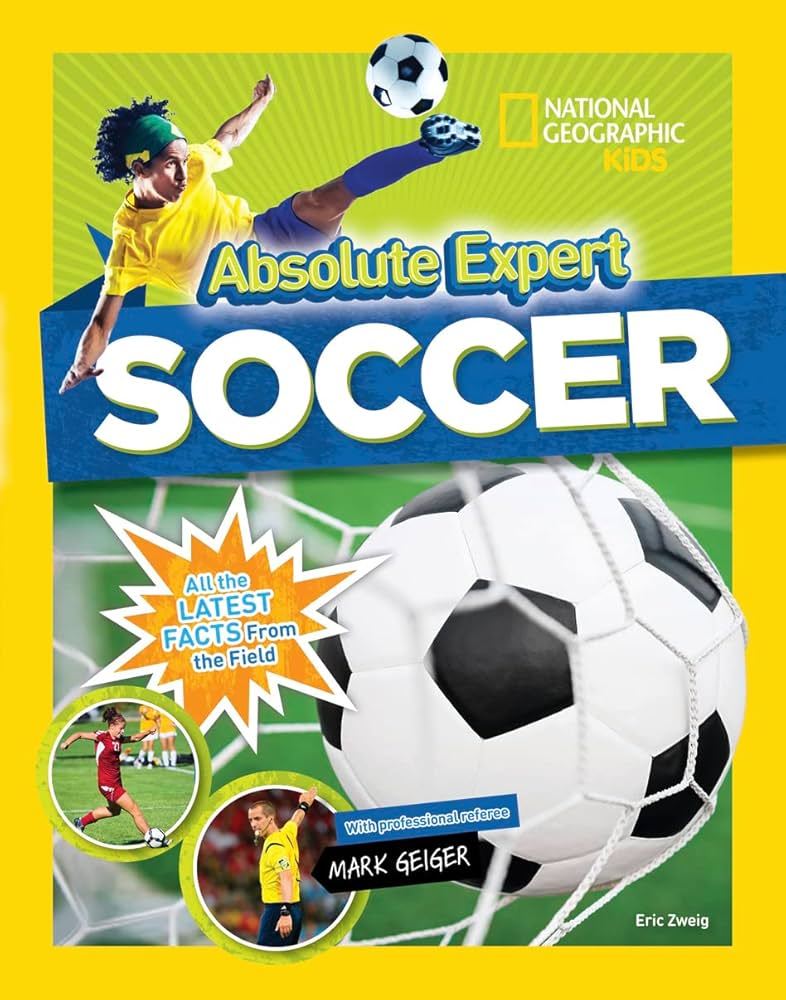
Reading level (approx): Grades 3–7 (publisher-listed); Age range 8–12.
A visual, “all-the-latest-facts” deep dive for kids who want to feel like real soccer experts. It combines detailed explanations with photos and structured sections to help readers understand skills, strategies, and the game’s bigger context. It’s designed for soccer fans who like learning rules and the reasons behind them.
Why kids will love it: It’s the kind of book kids browse repeatedly, not just once. It also works great for school passion projects because it’s packed with usable facts.
Best for: Curious, confident readers who like big nonfiction.
6. King of the Bench: Kicking & Screaming – Author: Steve Moore
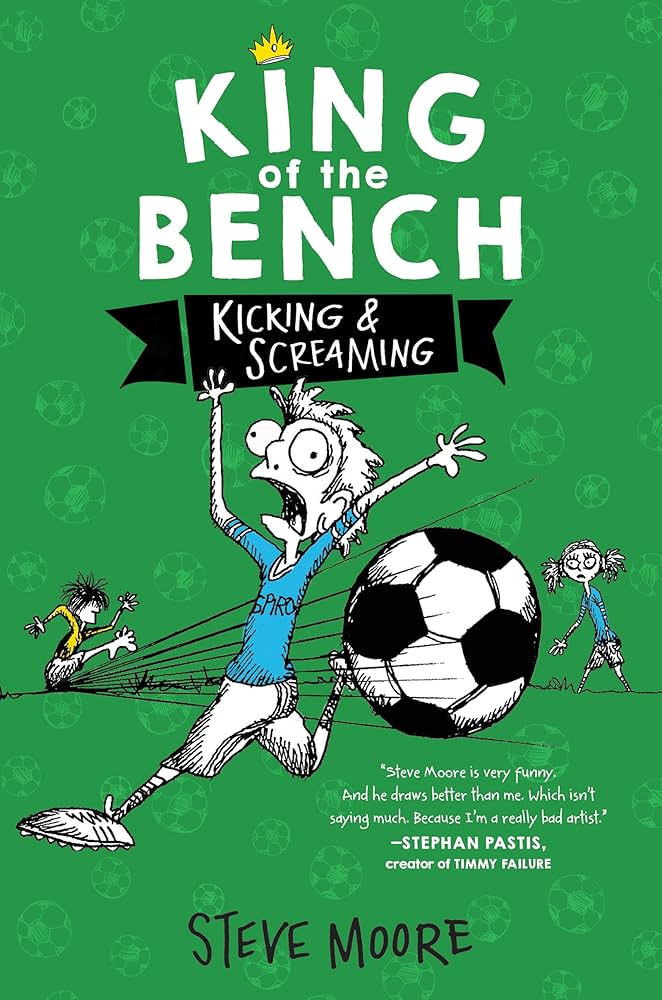
Reading level (approx): Middle grade illustrated; publisher positions it as a humorous soccer story for kids.
Steve is proud to be a benchwarmer—until his soccer-loving friends pull him into a weekend tournament. This highly illustrated middle grade story leans into comedy, friendship, and sports anxiety in a way that feels real for preteens. It’s soccer-themed, but the heart is belonging, bravery, and teamwork.
Why kids will love it: The humor lands for 9–12, especially kids who feel nervous about trying new things. The illustrations keep pages turning fast, even for reluctant readers.
Best for: Kids who like funny books more than “textbook sports” reads.
Soccer Books by Category
Soccer Biographies for Kids
If your kid loves heroes, stats, and “who’s the best,” start here: G.O.A.T. Soccer Goalkeepers, US Women’s National Team: Soccer Champions, The World Cup: Soccer’s Global Championship, and Soccer: Great Moments, Records, and Facts.
Soccer Chapter Books
For longer reading sessions (and kids who want plot), these work especially well: King of the Bench: Kicking & Screaming, The World Cup: Soccer’s Global Championship, Absolute Expert: Soccer, and Soccer Trivia.
Soccer Picture Books
Picture books are perfect for shared reading—and they still “count” as real reading: Sun, Soccer Star, and That’s Not How You Play Soccer, Daddy!
Soccer Books for Girls
Look for stories that center women’s soccer and/or feature strong girl characters: US Women’s National Team: Soccer Champions, The World Cup: Soccer’s Global Championship (includes women’s World Cup history), Soccer Star (a sister is a key part of the story), and King of the Bench: Kicking & Screaming.

How to Choose the Right Soccer Book for Your Child
Match Reading Level to Interest
Interest can pull a child “up” into slightly harder text, but it shouldn’t turn reading into a struggle. Book-choice research emphasizes that kids need help choosing books that support motivation and success. A practical approach: pick one “easy win” book (lower Lexile/shorter) and one “stretch” book (longer, more detailed) so your child can switch depending on energy level.
Fiction vs Nonfiction
Nonfiction soccer books work well for kids who love facts, lists, and “real-world” explanations—especially when the book includes glossaries, sidebars, and photos. Fiction soccer books shine when a child wants to feel the emotions of the game: nerves, teamwork, practice, disappointment, and triumph.
Books That Build Confidence
If your goal is confidence (not just content), choose books that:
- are short enough to finish.
- have supportive visuals
- connect to the child’s soccer identity (player, goalie, superfan). Choice and enjoyment help sustain the habit over time.
FAQ
What are the best soccer books for beginner readers (around ages 6–7)?
Look for short sections, clear photos/illustrations, and simple explanations of gear and rules—especially books like a “how-to” format or a basic intro to the sport.
Are soccer books good for reluctant readers?
Often, yes—because interest and choice increase reading motivation. A trivia format can be especially effective because it feels like a game and supports quick, low-pressure
Where can kids read soccer books online?
Platforms like Epic provide kid-focused digital libraries, and Epic’s public-facing book pages show a large catalog and “Start Reading” access for many titles (account required for full use).
How do I pick between a “facts” soccer book and a “story” soccer book?
Choose facts/trivia if your child loves statistics, questions, and browsing. Choose story-based soccer books if your child talks about feelings after games (pressure, confidence, friendship)—stories help kids process those experiences.
Final Thoughts: Building a Love of Soccer and Reading
A great soccer book does two jobs at once: it feeds a kid’s sports obsession and quietly strengthens reading stamina. If you keep the match-up right—topic the child loves, level the child can handle—reading becomes something they choose, not something they’re forced to do.