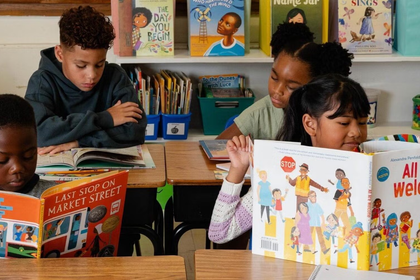


Fear is a natural and necessary part of childhood. For young children, even small situations—like trying a new activity, speaking in front of others, or separating from parents—can feel overwhelming. While adults often see these moments as minor, children experience them as real emotional challenges that require support and understanding.
Because of this, learning to be brave is not about removing fear altogether. Instead, it is about helping children understand that fear is something they can face, manage, and gradually overcome. However, this is not a skill children develop on their own. They need guidance, examples, and repeated reassurance.
This is where books become especially powerful.
Through stories, children can observe what bravery looks like without feeling pressure. They see characters hesitate, struggle, and slowly move forward despite uncertainty. Over time, these experiences help children internalize an important idea: bravery is not the absence of fear, but the decision to act in spite of it. In this way, books create a bridge between emotional understanding and real-life behavior.
Why Books Help Children Understand Courage
Telling a child to “be brave” rarely works on its own. Without context, the concept of bravery can feel abstract and confusing. Children may interpret it as “don’t be scared,” which can actually make them feel worse when fear doesn’t go away.
Stories solve this problem by showing rather than telling.
When children read about characters facing fear, they are able to observe the full process. They see hesitation, doubt, and even failure, but they also see growth, persistence, and eventual success. This makes bravery feel realistic and achievable rather than distant or idealized.
At the same time, books provide emotional safety. A child can explore fear through a character instead of experiencing it directly. This distance reduces pressure and allows children to think more clearly about what is happening. It also opens the door for calm conversations with parents, which are often more effective than correcting behavior in the moment.
As children revisit these stories over time, they begin to recognize patterns. They see that fear is temporary, that action is possible, and that confidence builds gradually. This repetition is what turns stories into lasting emotional skills.
How Children Learn to Be Brave Through Reading
Bravery is not learned in a single moment. It develops through a series of small insights that gradually shape how children respond to fear. Books support this process by guiding children through a natural progression of understanding.
At first, children simply recognize fear. They see characters feeling nervous, unsure, or hesitant, and begin to realize that these emotions are normal. This is an important step, because many children assume that feeling scared means something is wrong. Stories help remove that misconception and replace it with acceptance.
As they continue reading, children begin to understand that fear and bravery can exist at the same time. Characters do not wait until they feel confident—they act while still feeling uncertain. This changes how children think about courage. Instead of waiting to feel ready, they begin to see that action can come first, and confidence can follow.
Over time, children start connecting these stories to their own experiences. When they encounter a similar situation—such as trying something new or facing a challenge—they remember what the character did. This mental connection makes the situation feel more manageable and less intimidating.
Eventually, this process leads to real behavioral change. Children begin taking small steps forward on their own. These steps may seem minor, but they represent significant growth in emotional resilience and confidence.
Best Books About Being Brave for Kids
The following books were selected to reflect different types of bravery, from everyday courage to emotional resilience. Together, they provide a balanced approach that helps children understand and practice bravery in real life.
Chester the Brave
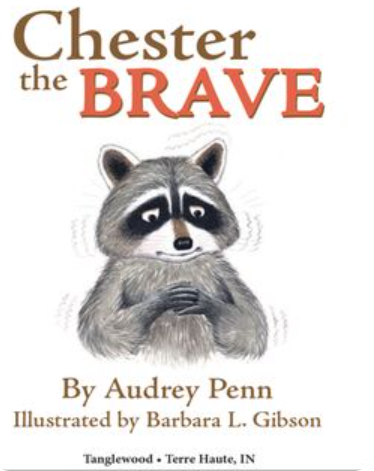
This story focuses on a character who learns to face fears in everyday situations, making it especially relatable for younger children. Instead of presenting bravery as something dramatic, it emphasizes the small moments that children experience regularly—trying, hesitating, and trying again.
What makes this book effective is its pacing. The character does not immediately overcome fear, which allows children to see the process rather than just the outcome. This helps normalize hesitation and shows that progress can take time.
The Brave Little Mouse
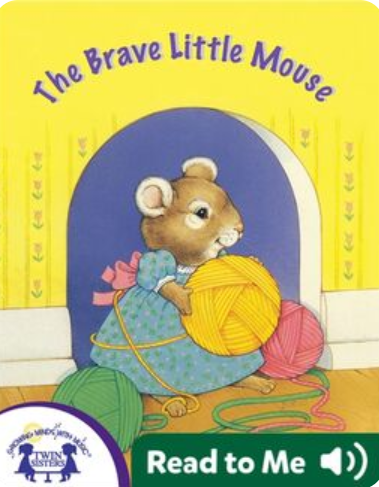
This book introduces bravery through a character who appears small and vulnerable but finds courage when faced with challenges. The contrast between the character’s size and their actions creates a clear and memorable message: bravery is not about strength, but about willingness.
The story is simple enough for younger children to follow, but it carries an important idea. It shows that courage often comes from within, not from external abilities or advantages. This is especially helpful for children who may feel unsure of themselves.
Stand Up for Yourself: The Kids’ Book About Courage
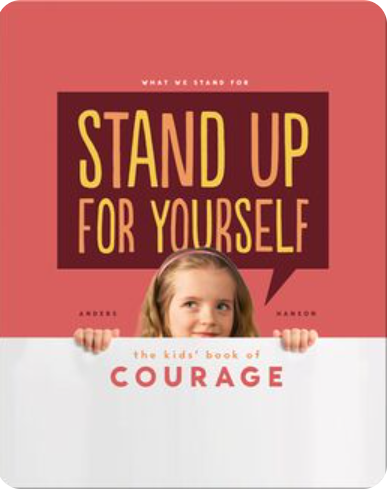
This book approaches bravery from a social and emotional perspective. Instead of focusing on physical challenges, it addresses situations where children need to express themselves, set boundaries, or speak up.
This makes it particularly valuable for real-life situations, such as dealing with peer pressure or feeling unsure in social settings. It helps children understand that bravery is not only about doing something new, but also about standing by what feels right.
Jabari Jumps
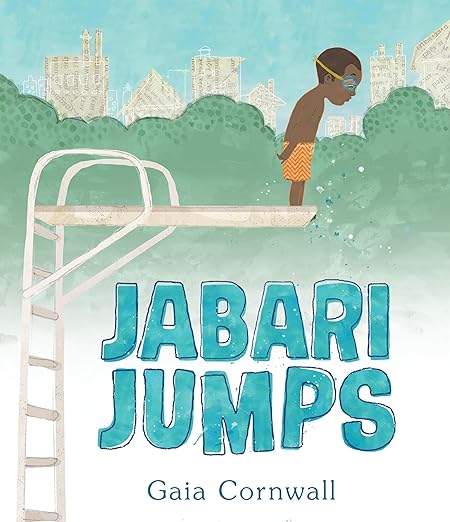
This story captures a familiar childhood experience: wanting to do something but feeling unsure at the last moment. Jabari is excited to jump off a diving board, yet as he climbs higher, hesitation takes over.
What makes this book especially effective is its realism. It does not rush the moment or force confidence too quickly. Instead, it shows how hesitation, thinking, and small steps are all part of being brave. Children can easily recognize themselves in Jabari, which makes the lesson both relatable and practical.
The Koala Who Could
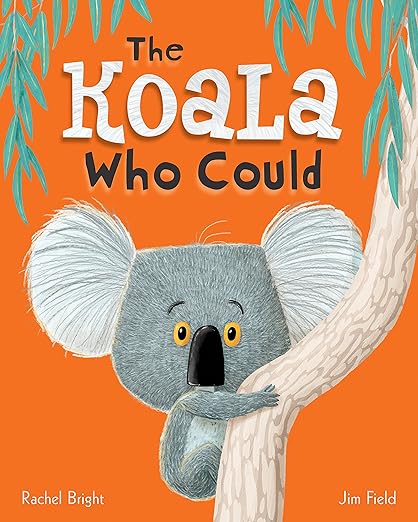
Kevin the koala prefers safety and routine. He avoids change and stays in his comfort zone until circumstances force him to let go. This story introduces the idea that change can feel uncomfortable, but it can also lead to growth and new experiences. For children who resist new situations, this book provides a gentle and reassuring perspective. It shows that stepping outside of what feels safe is often the first step toward confidence.
After the Fall

This book explores a different type of bravery—the courage to try again after failure. Through a creative continuation of the Humpty Dumpty story, it focuses on fear that comes after a negative experience. Many children struggle not with trying something new, but with returning to something that once felt scary. This story helps them understand that setbacks are part of growth, and that rebuilding confidence is possible over time.
How These Books Translate Into Real-Life Confidence
Reading about bravery is only the first step. The real value of these books lies in how they influence children’s behavior over time.
As children encounter similar situations in their own lives, they begin to draw from what they have seen in stories. They may not consciously think about it, but the patterns are there. They remember that fear is normal, that others have faced similar challenges, and that taking small steps is possible.
This familiarity reduces anxiety. Situations that once felt overwhelming begin to feel manageable. Instead of reacting with avoidance, children are more likely to pause, think, and try.
Confidence does not appear suddenly. It builds through repeated experiences of facing fear and realizing that it can be handled. Books support this process by providing a consistent reference point that children can return to again and again.
How Parents Can Support Bravery Through Reading
Books are most effective when they are part of a broader supportive environment. Parents play a key role in helping children connect what they read to what they experience.
One of the simplest ways to do this is through conversation. Asking open-ended questions about a story encourages children to reflect and express their thoughts. These conversations do not need to be long or structured. Even small moments of discussion can deepen understanding.
It is also helpful to connect stories to real-life situations. When a child faces a similar challenge, gently referencing a familiar story can make the situation feel less intimidating. This creates continuity between reading and real-life experience.
Finally, it is important to recognize small steps. Bravery is not about big, dramatic actions. It is about trying, even in small ways. Acknowledging these efforts helps reinforce the behavior and encourages children to continue.
Final Thoughts
Bravery is not something children are born with—it is something they learn over time.
Through stories, children begin to understand fear, see examples of courage, and develop the confidence to take action. These lessons do not happen all at once, but they grow stronger with repetition and experience.
Books provide a powerful starting point.
They give children a way to explore emotions, observe behavior, and imagine possibilities. With the support of parents, these stories become more than just reading—they become tools for growth.
And often, the first step toward real bravery begins with a simple story.
FAQ
What are the best books to teach kids bravery?
Books that show real-life situations and gradual emotional growth are the most effective. Stories that focus on everyday courage tend to be more relatable and easier for children to apply.
How do books help children overcome fear?
They provide examples, reduce emotional pressure, and help children understand that fear is normal and manageable.
At what age should children learn about bravery?
Children can begin learning about bravery as early as age 3 through simple picture books and repeated reading.