


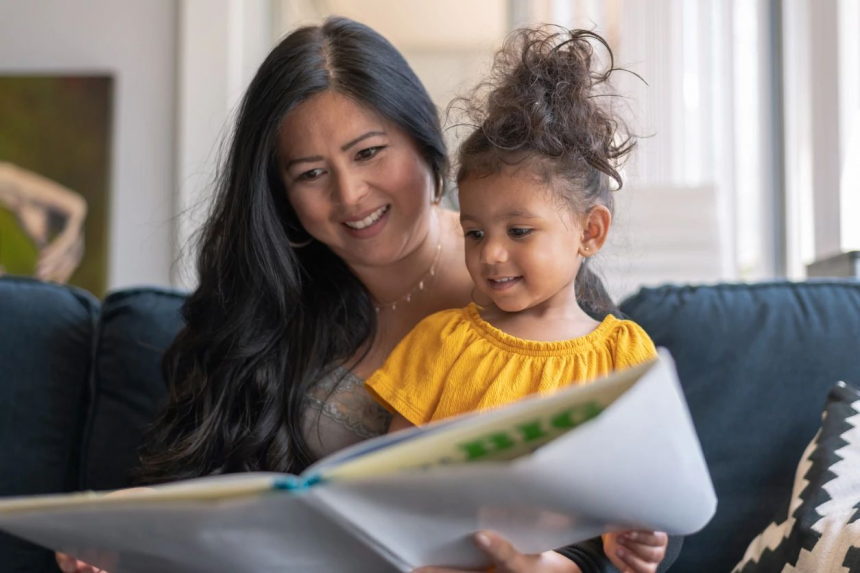
Most parents know that reading every day is good for their child. The harder part is actually making it happen consistently. Building a reading routine for kids that actually sticks is something most families struggle with — between homework, activities, screens, and the general chaos of family life, daily reading often gets pushed to the bottom of the list — or skipped entirely. Sound familiar?
The good news is that building a reading routine for kids doesn’t require a major overhaul of your schedule. In fact, the most effective reading routines are usually the simplest ones. In this guide we’ll walk through exactly how to build a daily reading habit that fits your family’s life — and actually sticks over time.
Why a Reading Routine for Kids Matters
Children thrive on routine. When reading becomes a predictable, expected part of the day — like brushing teeth or eating dinner — it stops being something children resist and starts being something they look forward to. A consistent reading routine for kids does more than just get books opened. Over time it builds something far more valuable: a reading identity.
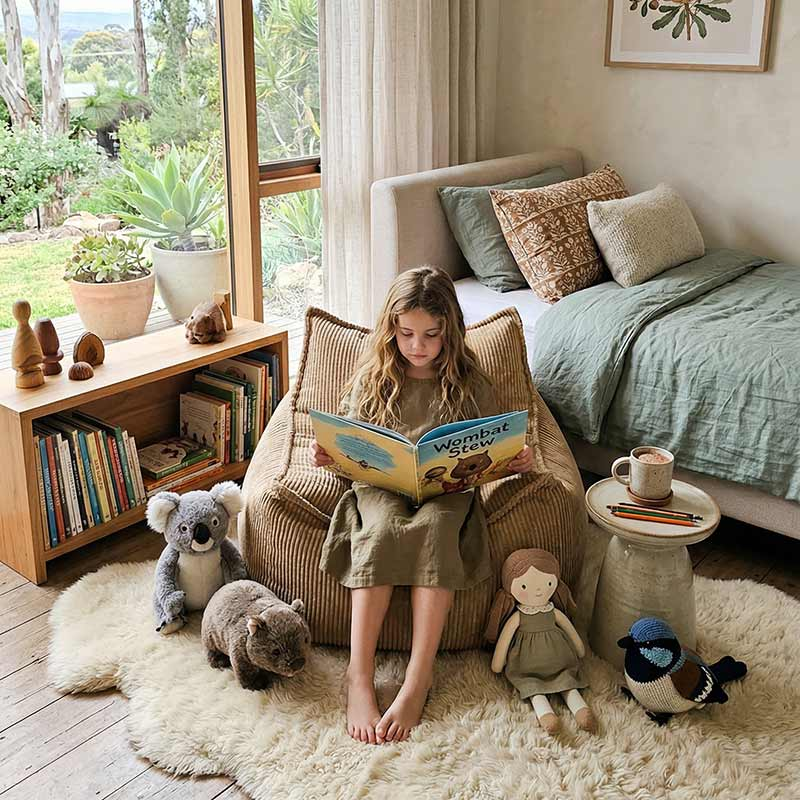
Children who read daily — even for just 10 to 15 minutes — accumulate an enormous reading advantage over time. Research from the National Endowment for the Arts shows that children who read for pleasure consistently outperform non-readers in nearly every academic area, not just literacy. Furthermore, the habit of daily reading has been linked to stronger vocabulary, better concentration, greater empathy, and improved academic performance across subjects.
However, none of those benefits happen from occasional reading. They come from consistency — and consistency comes from routine.
👉 Related reading: Reading Milestones by Age — Is Your Child on Track?
How Much Should Kids Read Every Day?
One of the most common questions parents ask when building a reading routine for kids is how long each session should be. The answer depends on age, but the general guideline is simpler than most people expect:
| Age | Recommended Daily Reading Time | Who Should Read |
|---|---|---|
| 0–2 years | 5–10 minutes | Parent reads aloud |
| 2–4 years | 10–15 minutes | Parent reads aloud |
| 4–6 years | 15–20 minutes | Parent reads aloud + child reads simple books |
| 6–8 years | 20 minutes | Child reads independently + parent reads aloud |
| 8–10 years | 20–30 minutes | Mostly independent reading |
| 10–12 years | 30 minutes | Independent reading |
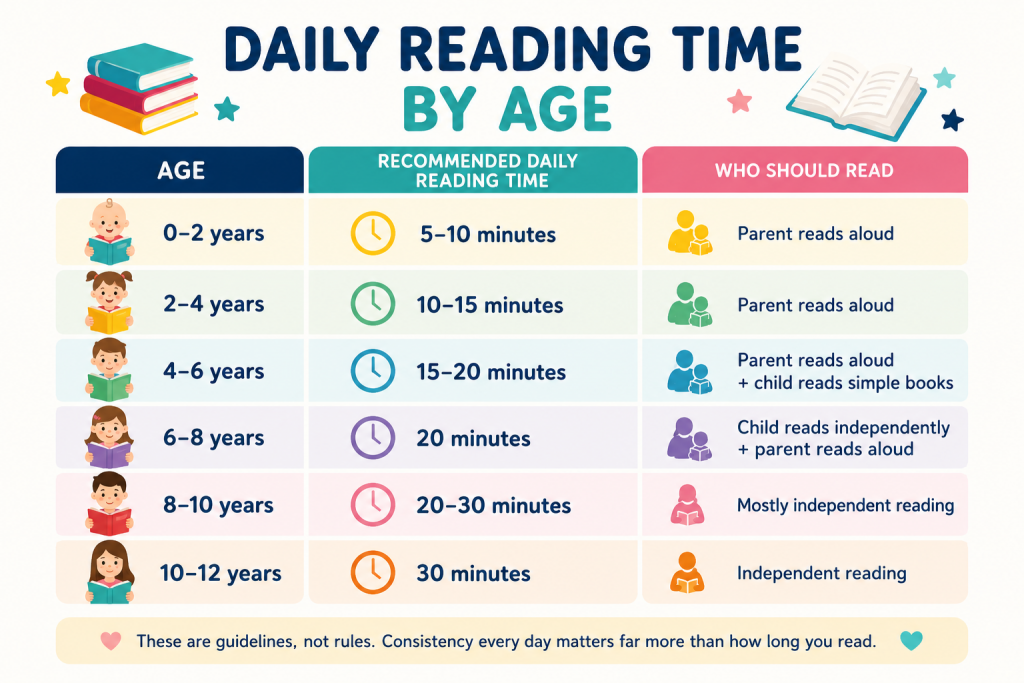
These are guidelines, not rules. A child who reads for 10 minutes every single day will develop stronger literacy skills than one who reads for an hour once a week. Consistency matters far more than duration — so start small if you need to and build from there.
When Is the Best Time to Read With Kids?
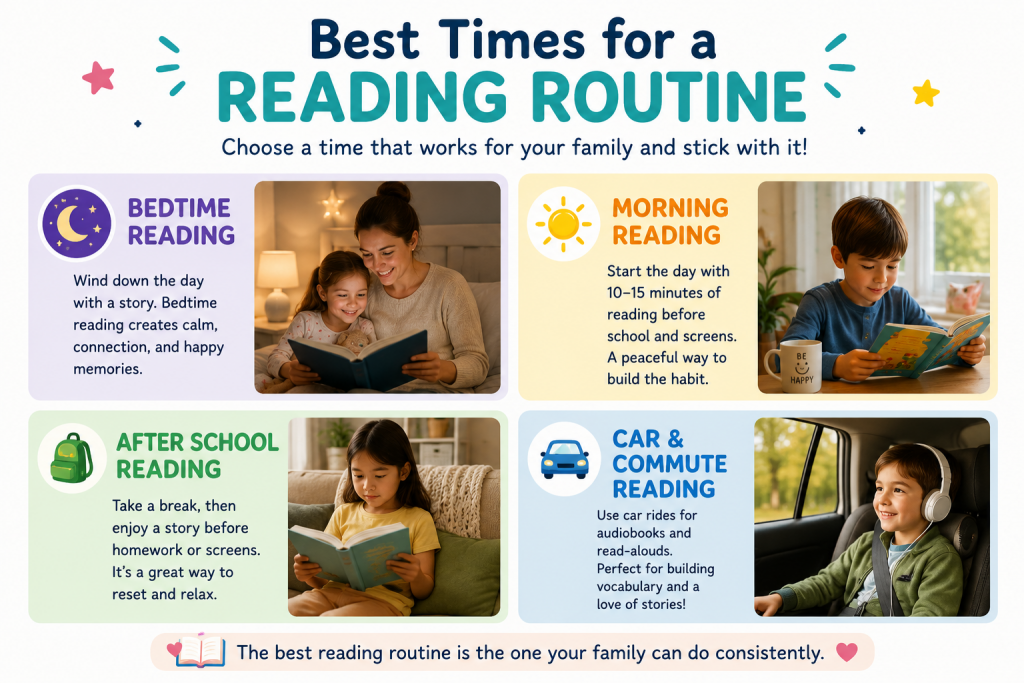
The best time to build a reading routine for kids is whatever time works consistently for your family. That said, some time slots tend to work better than others depending on your child’s age and energy levels.
Bedtime Reading
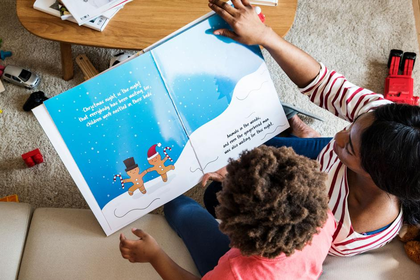
Bedtime is the most popular and effective slot for a reading routine — and for good reason. Children are winding down, screens are (ideally) off, and the calm environment creates ideal conditions for settling into a story. Bedtime reading also naturally becomes associated with warmth, safety, and connection — emotions that transfer positively onto books themselves. For most families, bedtime is the single best anchor for a daily reading routine.
After School Reading
For older children who have homework, reading after school before screens are allowed can work well as a daily habit. However, this requires children to have enough mental energy left after a school day — which isn’t always the case. If your child comes home exhausted, after-school reading may feel like more work rather than a break. In that case, a brief rest first and then reading before dinner can be a good compromise.
Morning Reading
Some families find that 10–15 minutes of reading first thing in the morning — before school and before screens — works beautifully. Children are alert, the house is quiet, and reading before the day gets busy means it actually happens rather than getting squeezed out by the evening rush. Morning reading works especially well for early risers and families with busy evening schedules.
Car and Commute Reading
For families who spend time in the car for school pickups, activities, or commutes, audiobooks and read-alouds during travel time are an underrated way to build a reading habit. While this isn’t a substitute for independent reading, it builds vocabulary, comprehension, and love of story — all of which directly support literacy development.
How to Build a Reading Routine Step by Step
Step 1 — Start Small
The biggest mistake families make when trying to build a reading routine is starting too ambitiously. Thirty minutes of reading every night sounds great in theory — but if your child currently reads zero minutes a day, jumping to thirty is a recipe for resistance and failure. Instead, start with five or ten minutes at a consistent time every day. Once that feels easy and automatic, add five more minutes. Small habits that stick are worth infinitely more than big habits that don’t.
Step 2 — Anchor It to an Existing Habit
The most reliable way to make a new habit stick is to attach it to something that already happens every day without fail. Behavioural scientists call this “habit stacking.” For reading, this might look like: after brushing teeth → reading time, or after dinner is cleared → reading time, or after the school bag is unpacked → reading time. When reading follows an established anchor habit automatically, it requires far less willpower to maintain.
Step 3 — Make It a Shared Experience
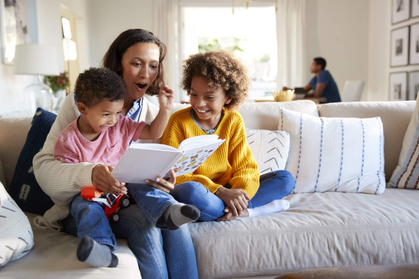
Especially in the early years, reading together rather than reading alone makes the routine far more appealing to children. When reading time means getting to sit with a parent and share a story, children look forward to it. Furthermore, reading aloud together builds comprehension, vocabulary, and the emotional connection to books that fuels long-term reading motivation. Even as children become independent readers, keeping a separate shared read-aloud book going alongside their solo reading maintains that connection.
Step 4 — Let Children Choose What They Read
A reading routine that requires children to read books they don’t enjoy is far less likely to stick than one where they get to choose. As much as possible, give your child ownership over their reading choices — even if those choices are graphic novels, joke books, or books about video games. Interest-driven reading builds the habit; the taste for more literary reading often follows naturally once the habit is established.

Step 5 — Protect Reading Time From Screens
Reading time works best when it happens in a screen-free window. This doesn’t mean screens are the enemy — it just means that if a device is available and reading is optional, most children will choose the device every time. Building reading into a part of the day when screens are naturally off (before bed, during the first hour after school, at the breakfast table) removes the temptation and makes reading the default rather than the exception.
Step 6 — Be Consistent, Not Perfect
Life happens. There will be evenings where the routine gets skipped — a late night, a sick child, a family event. That’s completely fine. What matters is getting back to it the next day without guilt or drama. A reading routine that happens six days out of seven is extraordinarily effective. The goal is consistency over time, not perfection every single day.
Reading Routine Tips by Age
Babies and Toddlers (Ages 0–3)
At this stage the reading routine is entirely parent-led. Keep it short, warm, and consistent — even five minutes of sharing a board book before nap or bed plants the seeds of a lifelong reading habit. Use books with bright pictures, simple text, and repetitive language. The goal isn’t comprehension; it’s building a positive association between books and comfort, connection, and language.
Preschoolers (Ages 3–5)
Preschoolers are building the pre-reading skills that will prepare them for formal reading instruction — letter recognition, phonological awareness, and print concepts. A bedtime reading routine of 10–15 minutes works beautifully at this age. Let your child choose the book, point to words as you read, and ask simple questions: “What do you think happens next?” and “What does that picture show?” These small interactions build comprehension and vocabulary naturally.
Early Readers (Ages 5–7)
At this stage a two-part reading routine works well: your child reads a simple book aloud to you (practicing decoding and fluency), then you read a slightly harder book aloud to them (building vocabulary and comprehension). This combination covers all the key literacy skills in one daily session. Keep the total time to 15–20 minutes and praise effort enthusiastically — early readers need confidence as much as they need practice.
Independent Readers (Ages 7–10)
By this stage most children can read independently, but that doesn’t mean parent involvement should stop. Keep a shared read-aloud book going alongside their solo reading — this is often when children’s literature really shines, with longer chapter books that reward the time invested. For independent reading, a dedicated 20-minute window works well. Resist the urge to quiz your child after every session; instead, simply ask what’s happening in their book as casual conversation.
Tweens (Ages 10–12)
Tweens need autonomy, so the reading routine at this age looks less like a scheduled activity and more like a family norm. Keep books visible and accessible throughout the home, model reading yourself, and maintain a no-screens-before-bed rule that naturally creates space for reading. At this age, talking about books — recommending them to each other, discussing characters — is often more effective than structured reading time.
👉 Related reading: Reading Milestones by Age
How to Set Up a Reading-Friendly Environment at Home

The physical environment has a bigger impact on reading habits than most parents realize. A home where books are visible, accessible, and celebrated makes building a reading routine for kids significantly easier. Here’s how to set up your space:
- Keep books everywhere. Books on the coffee table, in the car, on the bedside table, in the kitchen — the more places books appear, the more naturally children pick them up. Accessibility beats intention every time.
- Create a dedicated reading spot. A cozy corner with good lighting, a comfortable cushion or bean bag, and a small bookshelf nearby gives children a place that feels special for reading. Even a small reading nook communicates that reading is valued in your home.
- Rotate the books. Fresh books on the shelf spark more curiosity than the same titles that have been there for months. Visit the library regularly and bring home a rotating selection to keep things interesting.
- Make books a gift. When birthdays or holidays come around, include books alongside other gifts. Children who receive books as presents develop a different relationship with them than children who only ever receive books as schoolwork.
- Display books face-out where possible. Seeing the cover of a book makes it far more inviting than seeing just the spine. A simple ledge shelf or even a plate stand on a coffee table can display covers beautifully.
What to Do When the Reading Routine Falls Apart
Every family hits periods where the reading routine slips — school holidays, busy seasons, illness, transitions. When that happens, the most important thing is to restart without making it a big deal. Here’s how to get back on track:
- Don’t guilt-trip or lecture. Simply re-introduce the routine as if it never left. “Tonight we’re doing reading time again” is far more effective than “We haven’t been reading and that needs to change.”
- Start fresh with a new book. A brand new book — ideally one your child is excited about — is one of the easiest ways to re-ignite reading motivation after a break.
- Go back to basics. If the routine has slipped significantly, start with just five minutes again. Rebuild the habit from scratch rather than trying to jump back to where you were.
- Try a different time slot. If the old routine stopped working, it may be worth experimenting with a different anchor time rather than forcing the same structure that didn’t hold.
👉 Related reading: Why Does My Child Hate Reading? Real Reasons and How to Fix It
Free Tools to Support Your Reading Routine for Kids
Several free tools can supplement your reading routine — particularly useful on days when physical books aren’t available or when you need to keep things fresh:
- Storyline Online — Celebrity read-alouds that are perfect for car journeys, quiet time, or days when the routine needs a shake-up.
- Epic! — A vast digital library that lets children choose from thousands of books across every topic and reading level — ideal for keeping reading fresh and interest-driven.
- Oxford Owl — Free leveled ebooks that are useful for the independent reading portion of your routine, matched to your child’s current reading level.
- Khan Academy Kids — Structured literacy activities that complement reading practice for younger children ages 3–8.
👉 Related reading: Top 10 Free Reading Tools for Kids
Final Thoughts
Building a reading routine for kids is one of the highest-return investments you can make in your child’s education and wellbeing. It doesn’t require expensive programs, special equipment, or hours of your time. It requires consistency, warmth, and the willingness to keep showing up — even on the days when it feels like a battle.

The families who raise lifelong readers aren’t the ones who had perfect routines every single day. They’re the ones who made reading a normal, expected, enjoyable part of family life — and kept coming back to it even when life got in the way. Start small, stay consistent, and trust that the habit you’re building now will pay dividends for decades to come.
👉 Related reading: Best Books for Beginning Readers
FAQ: Reading Routine for Kids
How do I start a reading routine for kids at home?
Start small — even five minutes at a consistent time every day is enough to begin. Attach reading to an existing daily habit like bedtime or after dinner, let your child choose what they read, and keep the atmosphere warm and pressure-free. Consistency matters far more than duration, so focus on showing up every day rather than reading for long stretches occasionally.
What is the best time of day for a reading routine for kids?
Bedtime is the most effective slot for most families — children are winding down, screens are off, and the calm environment makes settling into a story natural. However, the best time is whatever time your family can stick to consistently. Morning reading, after-school reading, and car-ride audiobooks are all valid alternatives depending on your schedule.
How long should a child’s reading routine be each day?
For most school-age children, 15–20 minutes of daily reading is the sweet spot — long enough to make meaningful progress through a book, short enough to stay enjoyable. For younger children, even 10 minutes is highly effective. The key is daily consistency rather than occasional long sessions.
Should I read aloud to my child even after they can read independently?
Absolutely — and this is one of the most important things parents can do for literacy development at any age. Reading aloud to children exposes them to richer vocabulary, more complex sentence structures, and more engaging stories than they can access on their own. Many literacy experts recommend continuing to read aloud to children well into the middle school years.
What if my child refuses to read as part of the routine?
Start with read-alouds rather than independent reading — let them listen rather than read themselves. Let them choose the book entirely, even if the choice surprises you. Keep sessions very short and end on a positive note before they lose interest. Over time, as the routine becomes familiar and the pressure is removed, most children naturally become more willing participants. For persistent refusal, see our guide on why kids hate reading and how to fix it.
Do audiobooks count as part of a reading routine for kids?
Yes — especially for reluctant readers or during commutes and car journeys. Audiobooks build vocabulary, listening comprehension, and love of story, all of which directly support literacy development. They work best as a supplement to physical reading rather than a full replacement, but they absolutely count as a valuable part of a reading routine for kids.


Sehr guter Beitrag! Für KI-Video (Ads/Avatare) empfehle ich Pixwit: . Pixwit