
The right empathy books for kids can help children learn to understand other people’s feelings, experiences, and points of view. Why might a classmate feel left out? Why does the same situation seem exciting to one person and frightening to another? And how can we understand someone whose life looks very different from our own?
Picture books give children a chance to explore these questions through characters and situations they can relate to. They can see how assumptions lead to misunderstandings, how small acts of kindness make a difference, and why it’s important to consider what someone else might be experiencing.
In this list, we’ll explore 10 empathy books for kids that encourage perspective-taking, compassion, inclusion, and a better understanding of people whose experiences may differ from their own. Each recommendation also includes a question parents and educators can ask to help children think more deeply about the story.
Why Empathy Books for Kids Matter for Children’s Development
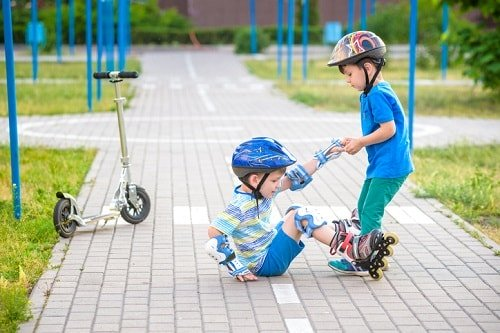
Empathy involves more than recognizing when someone is happy, sad, or frustrated. It also means trying to understand another person’s perspective and caring about how that person experiences the world.
For young children, this can be a challenging skill to develop. They naturally understand situations through their own experiences, and they may not immediately recognize why another person thinks, feels, or behaves differently.
Stories offer a way to practise looking beyond that first point of view. Children can observe a character’s choices, notice clues in the illustrations, and consider what might be happening outside the character’s immediate experience.
For example, a story about a child being left out can help readers consider how exclusion feels from the other child’s perspective. A book about moving to a new country can introduce experiences that children may never have encountered themselves. And a story about a misunderstanding can show why it’s important to learn more about someone before making assumptions.
Reading together also gives adults opportunities to talk about difficult social situations in a way that feels approachable. Instead of simply telling children to be kind, parents and educators can use stories to explore what kindness looks like and why it matters.
10 Empathy Books for Kids That Encourage Perspective-Taking
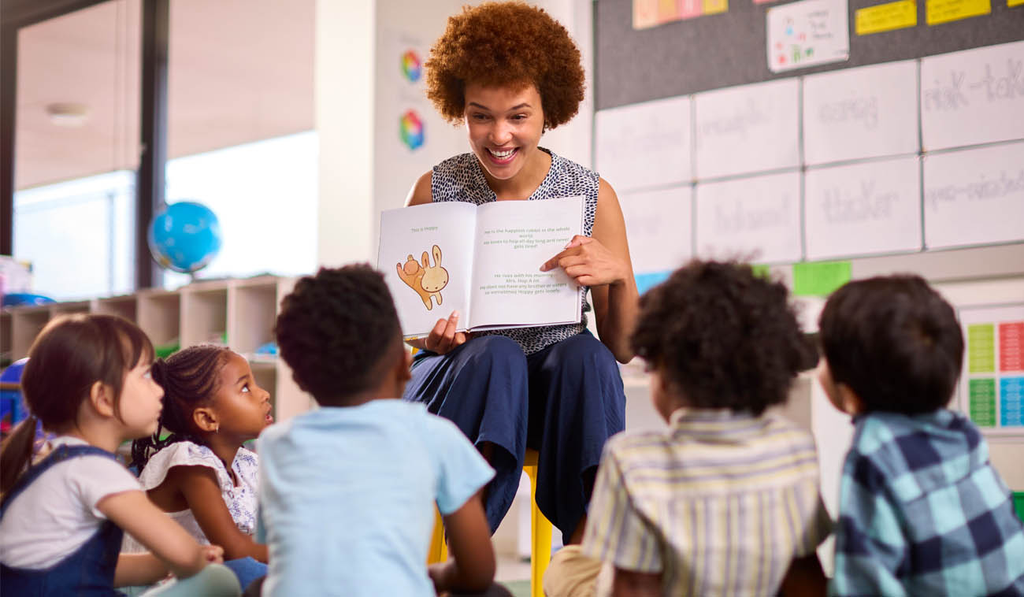
These ten picture books explore empathy from different angles. Some focus on seeing the same situation through different eyes, while others address exclusion, unfamiliar experiences, and the importance of looking beyond first impressions.
1. They All Saw a Cat by Brendan Wenzel
Best for: Understanding different perspectives
In They All Saw a Cat, a cat travels through the world, encountering creatures that each perceive it differently. The cat looks different depending on who sees it, illustrating how individual experiences can shape the way we understand the same thing.
This visually engaging story is an especially good introduction to perspective-taking for younger readers. It encourages children to recognize that two people can observe the same situation and still have different interpretations of what happened.
Try asking: “Why do you think each character sees the cat differently? Can two people experience the same situation but understand it in different ways?”
2. You Matter by Christian Robinson
Best for: Appreciating different experiences and recognizing the value of others
In You Matter, Christian Robinson explores different perspectives through bright illustrations and simple, thoughtful text. The book moves between people and situations that might seem unrelated at first, helping readers recognize connections between different lives and experiences.
Its message encourages children to look beyond themselves and notice people they might otherwise overlook. It’s a useful choice for discussing why everyone deserves consideration, even when their experiences are unfamiliar or different from our own.
Try asking: “Who might feel overlooked in this story? What could you do to help someone feel noticed and included?”
3. Adrian Simcox Does NOT Have a Horse by Marcy Campbell, illustrated by Corinna Luyken
Best for: Challenging assumptions and showing compassion
In Adrian Simcox Does NOT Have a Horse, Chloe refuses to believe Adrian’s stories about owning a horse. Based on what she knows about his circumstances, she assumes he must be making things up.
As the story unfolds, Chloe begins to reconsider her assumptions and recognize that there may be more to Adrian’s story than she initially understood. The book gives children an opportunity to discuss why judging someone too quickly can be hurtful and why listening to another person’s perspective matters.
Try asking: “What did Chloe assume about Adrian? What might she have understood differently if she’d tried to see things from his point of view?”
4. Last Stop on Market Street by Matt de la Peña, illustrated by Christian Robinson
Best for: Looking beyond first impressions and appreciating different life experiences
In Last Stop on Market Street, CJ rides the bus across town with his grandmother and wonders why his life looks different from some of his friends’ lives. Through their conversations, his grandmother helps him notice the people, generosity, and beauty around him.
The story encourages children to look beyond appearances and consider how another person’s perspective can reveal things they might otherwise miss. It also opens up conversations about community, gratitude, and the many ways people experience the world.
Try asking: “What does CJ notice about the people and places around him? How does his grandmother help him see things differently?”
5. The Invisible Boy by Trudy Ludwig, illustrated by Patrice Barton
Best for: Recognizing exclusion and helping others feel included
In The Invisible Boy, Brian is a quiet student who often goes unnoticed by his classmates. Nobody seems to think to include him in their games or activities until a new student arrives.
Brian’s experience gives children an opportunity to consider what it feels like to be left out, even when nobody is directly saying anything unkind. His story also shows how small acts of kindness can help someone feel welcome and give them the confidence to connect with others.
This is a particularly useful book for classroom discussions about inclusion and noticing classmates who might otherwise be overlooked.
Try asking: “How can you tell Brian feels left out? What are some small things classmates could do to help him feel included?”

6. Each Kindness by Jacqueline Woodson, illustrated by E. B. Lewis
Best for: Understanding the impact of exclusion and missed opportunities to be kind
In Each Kindness, Chloe and her classmates repeatedly exclude Maya, a new student who wants to join them. When Maya eventually stops coming to school, Chloe begins to reflect on the opportunities she missed to treat her differently.
Rather than offering an overly simple lesson about kindness, the story encourages readers to think about how their choices affect other people and how missed opportunities can matter. It can help children consider a situation from the perspective of someone who is being excluded, even if the people doing the excluding don’t fully recognize the impact of their actions.
Try asking: “How might Maya have felt when the other children left her out? What could Chloe have done differently?”
7. Maddi’s Fridge by Lois Brandt, illustrated by Vin Vogel
Best for: Understanding that friends can have very different circumstances
In Maddi’s Fridge, Sofia discovers that her friend Maddi’s refrigerator is almost empty, even though Sofia’s own family has plenty of food. The girls’ friendship introduces children to food insecurity in an age-appropriate way and encourages them to think about how other families may face challenges they don’t personally experience.
Sofia wants to help her friend, but she also has to figure out what to do when the situation is more complicated than she first realized. The story opens up conversations about compassion, helping others, and asking a trusted adult for support when a problem is too big to solve alone.
Try asking: “Why might Maddi’s life be different from Sofia’s? How could Sofia help her friend?”
8. Dreamers by Yuyi Morales
Best for: Understanding unfamiliar experiences, immigration, and belonging
In Dreamers, author and illustrator Yuyi Morales draws on her own immigration experience to tell a story about arriving in a new country with her young son. As they navigate an unfamiliar place, they discover the public library and the possibilities that books can offer.
The story invites children to consider what it might feel like to leave a familiar home, encounter a new language, and build a life somewhere unfamiliar. It also highlights the strengths, hopes, and experiences people bring with them when they move to a new community.
Try asking: “What might feel exciting or difficult about moving somewhere new? What could help someone feel welcome in an unfamiliar place?”
9. I Am Human: A Book of Empathy by Susan Verde, illustrated by Peter H. Reynolds
Best for: Introducing empathy and compassionate choices
In I Am Human: A Book of Empathy, Susan Verde and Peter H. Reynolds explore what it means to be human, including making mistakes, experiencing difficult moments, and choosing how to treat others.
The straightforward text and expressive illustrations make empathy approachable for younger readers. The story reminds children that people aren’t perfect and that they can learn from their choices, consider other people’s experiences, and respond with compassion.
This book works well as an introduction to empathy before exploring some of the more complex social situations featured in the other recommendations.
Try asking: “How can we show compassion when someone makes a mistake? What could we do if we realize we’ve hurt someone’s feelings?”
10. Small in the City by Sydney Smith
Best for: Considering how another person experiences an unfamiliar or overwhelming environment
In Small in the City, a child navigates a snowy city and offers advice about finding safe routes, familiar places, and friendly faces. The illustrations provide clues about the child’s experience and the challenges of moving through a busy environment.
The story encourages readers to pay attention to what someone else might be feeling, even when that person’s experience isn’t immediately obvious. It’s also a good reminder that places that feel familiar and comfortable to one person can feel confusing or overwhelming to someone else.
Try asking: “What might make the city feel overwhelming to this child? What clues in the pictures help us understand the child’s experience?”
How to Use Empathy Books for Kids to Start Conversations
Reading empathy books for kids doesn’t need to feel like a formal lesson. A few thoughtful questions can help children explore a character’s experiences while still enjoying the story.
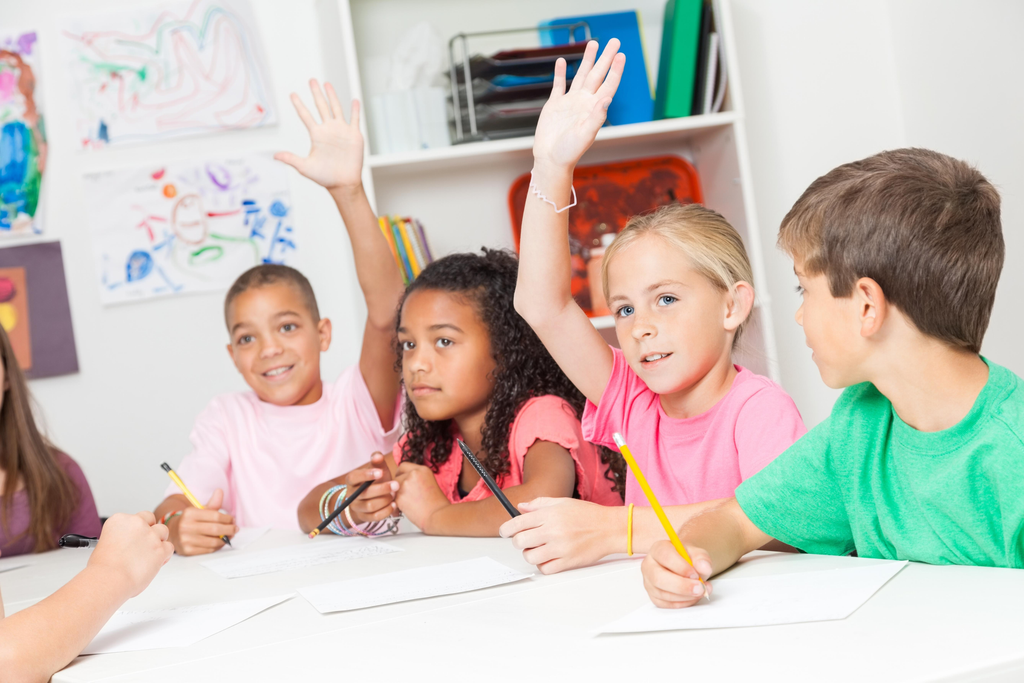
Here are three simple ways to make those conversations meaningful.
Ask children to consider another point of view
Instead of asking only how a character feels, encourage children to think about why the character might feel or act that way.
Questions such as “What do you think this character knows?” or “What might be happening that the other characters don’t understand?” help children consider information beyond their own perspective.
For example, when reading Adrian Simcox Does NOT Have a Horse, children can think about why Chloe makes assumptions about Adrian and what changes when she begins to see the situation differently.
Look for clues in the illustrations of books about empathy
Picture books often communicate information through facial expressions, body language, colors, and details that aren’t explained directly in the text.
Pause occasionally to ask children what they notice. A character standing alone at the edge of a group, for example, might provide an opportunity to discuss inclusion and belonging.
There’s no need to expect one perfect answer. Encourage children to explain what they noticed and consider different interpretations of the same scene.
Connect the story to everyday situations
Once children have discussed a character’s experience, help them think about how the idea might apply to real life.
You might ask, “Have you ever seen someone being left out?” or “What could you do if a new student seemed unsure about joining a group?”
Keep the conversation open and age-appropriate. The goal isn’t to make children feel guilty about every mistake, but to help them recognize other people’s perspectives.
For more research-informed ideas, Harvard Graduate School of Education’s Making Caring Common project shares practical tips for cultivating empathy in children.
Final Thoughts
Empathy grows as children learn to look beyond their own experiences and become curious about the people around them. The right story can help them recognize exclusion, question assumptions, appreciate differences, and think about how their choices affect others.
These empathy books for kids offer different starting points for those conversations. Some introduce perspective-taking through imaginative illustrations, while others explore real-world situations involving friendship, belonging, and unfamiliar experiences.
Whether you’re reading together at home or using picture books in a classroom, you don’t need to turn every story into a formal lesson. Sometimes, pausing to ask one thoughtful question is enough to help a child consider a different point of view.
For more reading recommendations, explore our guides to the best books about feelings for kids and the best books about friendship for kids. Families can also discover more children’s books through Epic, a digital reading platform for young readers.
Frequently Asked Questions (FAQ)
What are the best empathy books for kids?
One helpful choice is They All Saw a Cat by Brendan Wenzel, which introduces different perspectives through illustrations. Another great options is The Invisible Boy by Trudy Ludwig, which explores exclusion and belonging. Adrian Simcox Does NOT Have a Horse is another strong choice for discussing assumptions and compassion. The best book depends on the child’s age and the topic you want to explore together.
At what age should children start reading books about empathy?
Children can begin exploring empathy through picture books during preschool and kindergarten. Simple stories about helping others, sharing perspectives, and including classmates offer accessible starting points. As children grow, books about more complex social situations can encourage deeper discussions about fairness, assumptions, and different life experiences.
How do books help children develop empathy?
Stories allow children to consider characters’ experiences from a safe distance. They can observe what happens, think about why characters make certain choices, and explore how different people might interpret the same situation. Reading together and discussing these questions gives children opportunities to practise perspective-taking and compassionate thinking.
How can parents teach empathy while reading?
Ask open-ended questions such as “How do you think this character sees the situation?” or “What might the other person be experiencing?” Encourage children to use details from the story to explain their ideas, and help them connect those ideas to everyday situations. Keep the conversation curious rather than treating it like a test with one correct answer.
What is the difference between empathy and understanding feelings?
Understanding feelings often involves recognizing and naming emotions, such as sadness, excitement, or frustration. Empathy goes a step further by trying to understand another person’s experience and responding with care. The two skills are connected, but empathy also involves looking beyond your own point of view and considering what someone else might need.