

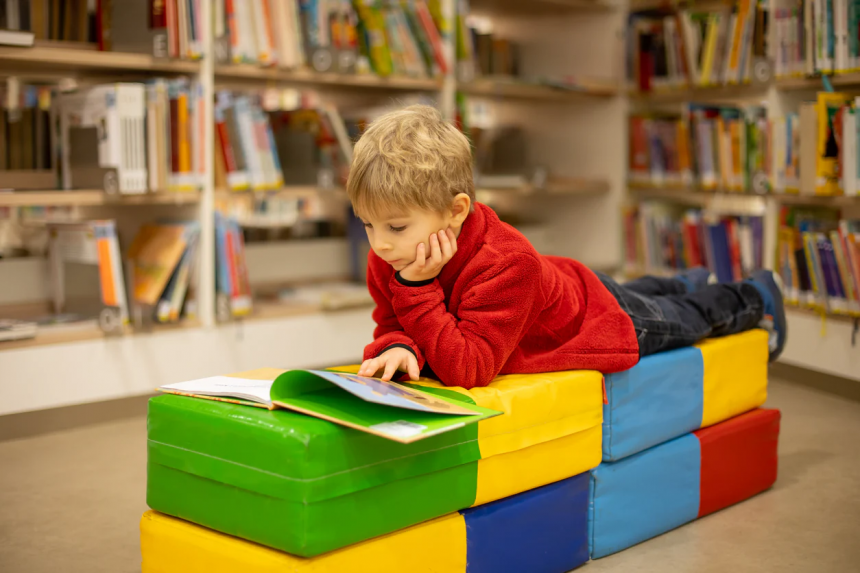
Choosing the right book for a beginning reader is one of the most powerful things a parent can do to support early literacy. In fact, the best books for beginning readers strike a careful balance — simple enough to decode independently, but engaging enough to keep a child turning pages. Too easy and children get bored. Too hard and they get frustrated. Get it just right and something magical happens: they start to love reading.
In this guide we’ll walk through the best books for beginning readers organized by age and reading level, along with tips for choosing the right book for your child at every stage. Unlike general age-based book lists, this guide focuses specifically on reading ability and decoding level — so you can find the right book for where your child actually is, not just how old they are.
What Makes a Good Book for Beginning Readers
First of all, not all children’s books are created equal when it comes to early reading. A book that works beautifully as a read-aloud may be far too difficult for a child to tackle independently. The best books for beginning readers share a few key characteristics:
- Simple, decodable words — Books that use phonics-friendly words children can sound out on their own build confidence faster than books loaded with irregular words.
- Repetitive patterns — Repeated phrases and sentence structures help early readers anticipate what comes next, reducing cognitive load and building fluency.
- Short sentences and large text — Less text per page gives beginning readers room to breathe and process without feeling overwhelmed.
- Supportive illustrations — Good pictures provide context clues that help children decode unfamiliar words and stay connected to meaning.
- Engaging stories — Even simple books need a reason to keep reading. For example: humor, relatable characters, and surprising twists keep beginning readers motivated.
According to early literacy research from Reading Rockets, children benefit most from books that combine predictable text patterns with strong phonics support. You can read more about early reading development here: https://www.readingrockets.org/reading-101
With those qualities in mind, here are our top picks organized by age and reading stage.
Best Books for Beginning Readers Ages 3–5
At this stage children are building pre-reading skills — learning letter sounds, enjoying rhyme, and developing print awareness. The best books for this age group are read-alouds that prepare children for independent reading by making books feel fun and familiar.
The Very Hungry Caterpillar — Eric Carle
A timeless classic that introduces counting, days of the week, and sequencing through simple, repetitive text. The bold illustrations and satisfying story arc make it a perfect first book for young children. Additionally, the predictable pattern helps children feel successful as they begin to “read along” from memory.
Green Eggs and Ham — Dr. Seuss
Dr. Seuss built this entire book using only 50 different words — making it one of the most accessible early reading experiences available. The rhyme, rhythm, and repetition make it enormously fun to read aloud, and children quickly memorize enough to begin reading along independently. Furthermore, the humor keeps even reluctant readers engaged.
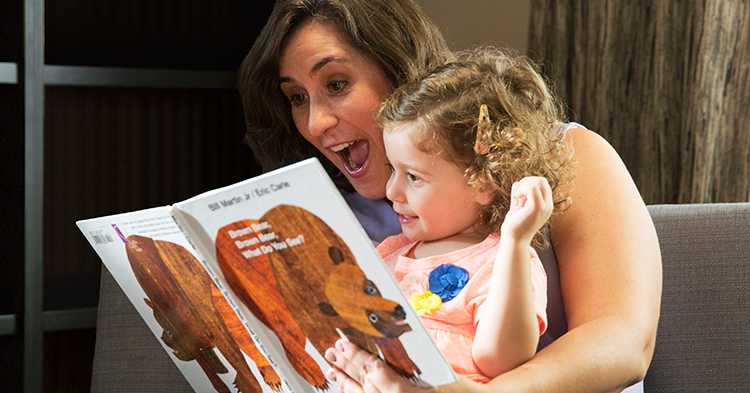
Brown Bear, Brown Bear, What Do You See? — Bill Martin Jr.
The ultimate repetitive pattern book. Each page follows the exact same sentence structure with only the animal and color changing — making it one of the first books many children “read” on their own. As a result, it builds enormous reading confidence for children who are just starting out.
👉 Looking for more picks at this age? See our full list: Best Books for 5 Year Olds
Best Books for Beginning Readers Ages 5–6 (Kindergarten)
As children enter kindergarten, they beginning decoding simple words and recognizing common sight words. The best books for beginning readers at this stage use controlled vocabulary and short sentences that match what children are learning in school.
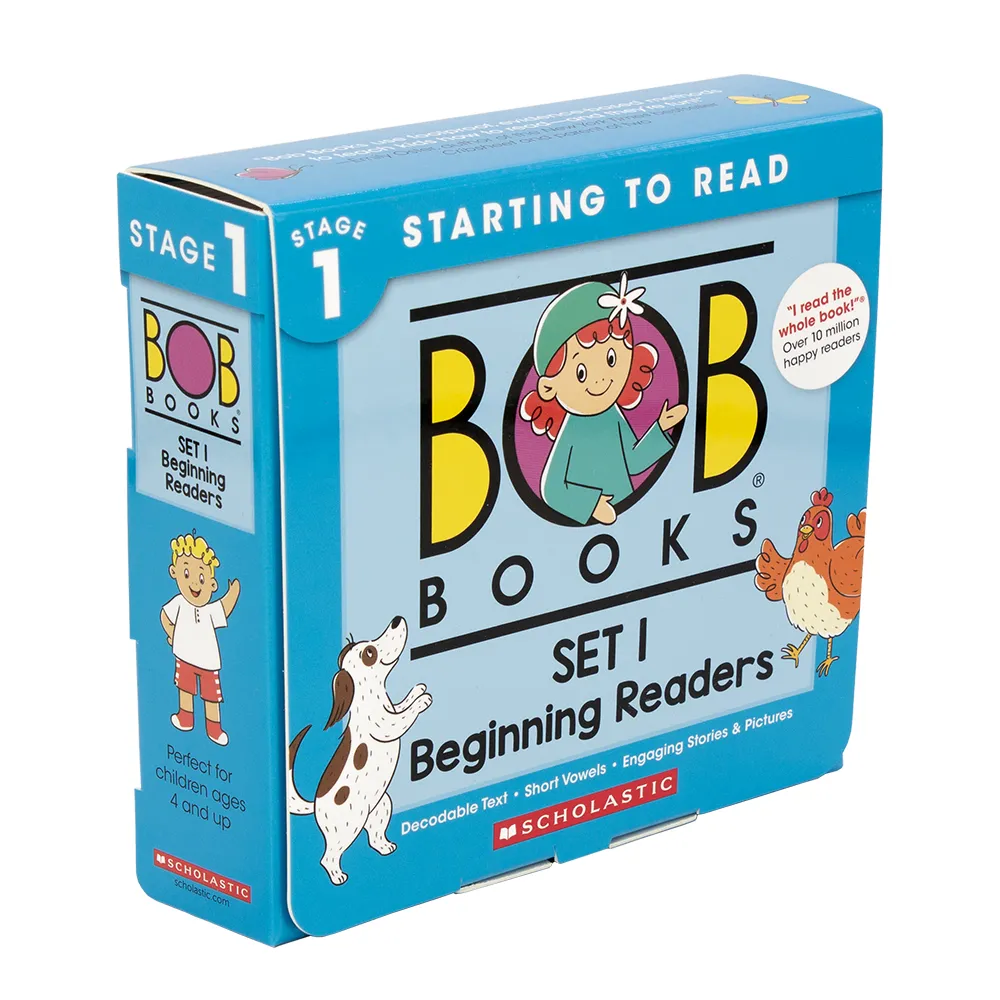
Bob Books Set 1 — Bobby Lynn Maslen
Bob Books are specifically designed for children who are just beginning to decode. Each book in the set introduces only a handful of new words, making the reading experience feel genuinely achievable. Many parents describe the moment their child finishes their first Bob Book as a major turning point — suddenly reading feels possible. For this reason, Bob Books remain one of the most recommended beginner reading series by teachers and parents alike.
Elephant and Piggie Series — Mo Willems
Mo Willems created something genuinely special with this series. The books use simple vocabulary, large speech bubbles, and laugh-out-loud humor that makes beginning readers feel like they’re reading real, grown-up stories. Moreover, the two main characters are so lovable and expressive that children become emotionally invested — which is exactly the kind of engagement that builds reading stamina. These are among the best books for beginning readers at the kindergarten level.
I Can Read! My First Level — Various Authors
The “I Can Read!” series from HarperCollins offers leveled books across multiple reading stages. The My First level uses controlled vocabulary and simple sentence structures perfectly matched to kindergarten readers. Popular titles in this level include Biscuit by Alyssa Satin Capucilli and Danny and the Dinosaur by Syd Hoff — both beloved beginner classics.
Best Books for Beginning Readers Ages 6–7 (First Grade)
First graders are building fluency and reading with more expression. At this stage, the best books for beginning readers introduce slightly longer sentences, more varied vocabulary, and more complex story lines — while still remaining accessible for independent reading.
Fly Guy Series — Tedd Arnold
The Fly Guy series follows a boy named Buzz and his pet fly, Fly Guy, through a series of funny, action-packed adventures. The books are short enough to finish in one sitting but satisfying enough to feel like a real reading accomplishment. In addition, the humor appeals especially to children who might otherwise be reluctant readers — particularly boys who haven’t yet found books that feel exciting to them.
Frog and Toad Series — Arnold Lobel
A true classic of children’s literature, the Frog and Toad books follow two best friends through gentle, funny, and surprisingly touching stories. The vocabulary is accessible for first grade readers, however the themes — friendship, patience, bravery, and kindness — are rich enough to spark real conversations. These books have been making children fall in love with reading for over 50 years.
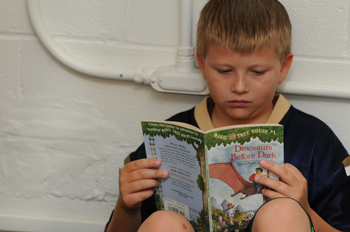
Magic Tree House Series — Mary Pope Osborne
For first graders who are ready for a slightly bigger challenge, the Magic Tree House series is an excellent bridge into chapter books. Each story follows siblings Jack and Annie on a time-traveling adventure through history. Furthermore, the books are educational without feeling like it — children absorb facts about ancient Egypt, dinosaurs, and the American Revolution while simply enjoying a great adventure story.
Best Books for Beginning Readers Ages 7–8 (Second Grade)
By second grade, most children are transitioning into independent readers. The best books for beginning readers at this stage are early chapter books that offer longer stories, more developed characters, and richer vocabulary — while still being accessible and engaging enough to read independently.
Junie B. Jones Series — Barbara Park
Junie B. Jones is one of the funniest, most relatable characters in children’s literature. Her misadventures at school and home are told in her own voice — quirky, opinionated, and full of personality. Second graders adore her because she thinks and talks the way they do. As a result, children who claim to hate reading often make an exception for Junie B.
Nate the Great Series — Marjorie Weinman Sharmat
Nate the Great is a pancake-loving junior detective who solves neighborhood mysteries in each book. The stories are short enough for independent reading but structured enough to teach beginning readers how chapter books work — with a problem, investigation, and satisfying resolution. Moreover, the mystery format keeps children genuinely curious about what happens next, which builds reading stamina naturally.
Mercy Watson Series — Kate DiCamillo
Written by the beloved author of Because of Winn-Dixie, the Mercy Watson books follow an endearing pig with a passion for buttered toast. The writing is warm, funny, and beautifully crafted — giving second grade readers exposure to genuinely good prose at an accessible level. These books are also ideal for reading aloud together, making them a wonderful shared experience for parents and children.
👉 Ready for the next step? See our full list: Top 20 Must-Read Books for 2nd Graders
Book Series Worth Collecting
One of the best things about finding a series a child loves is that it removes the hardest part of reading — choosing the next book. Here are the series most consistently recommended for beginning readers across all levels:
| Series | Best For | Why Kids Love It |
|---|---|---|
| Bob Books | Ages 4–6 | First successful independent reading experience |
| Elephant and Piggie | Ages 5–7 | Hilarious, expressive characters |
| Fly Guy | Ages 6–8 | Funny and action-packed, great for reluctant readers |
| Frog and Toad | Ages 6–8 | Timeless friendship stories with rich themes |
| Magic Tree House | Ages 6–9 | Adventure plus history — educational and exciting |
| Junie B. Jones | Ages 7–9 | Relatable, hilarious voice that kids adore |
| Nate the Great | Ages 7–9 | Mystery format builds reading stamina naturally |
| Mercy Watson | Ages 7–9 | Beautiful writing at an accessible level |
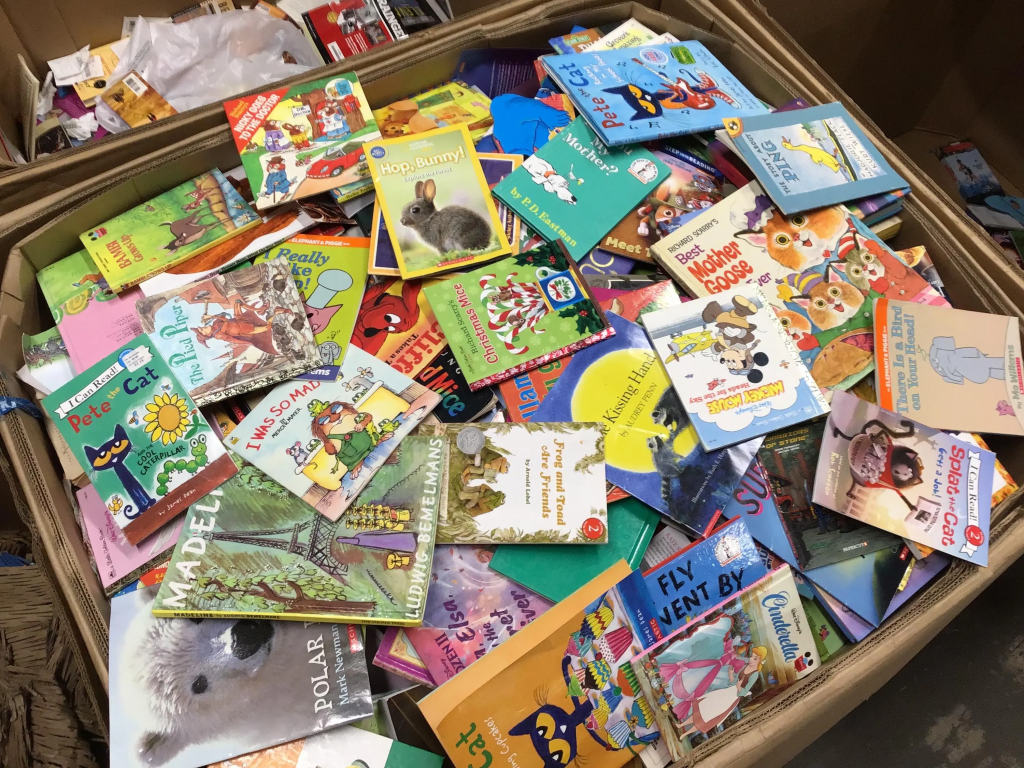
How to Choose the Right Book for Your Child
Even the best books for beginning readers won’t work if they’re not the right match for your child. Here are a few simple strategies for finding the right fit:
- Use the five finger rule. Have your child open to a random page and read it aloud. For every word they don’t know, hold up a finger. Zero to one fingers means the book may be too easy. Two to three is just right. Four or five means it’s probably too hard for independent reading.
- The five finger rule is widely used by educators and literacy programs, and it is also recommended by Scholastic as a simple way to check if a book is at the right reading level. Learn more here: https://www.scholastic.com/parents/books-and-reading/raise-a-reader-blog/five-finger-rule.html
- Let your child choose. A child who picks their own book is far more motivated to finish it. Interest beats reading level every time when it comes to building a reading habit.
- Follow the series. Once your child loves a character or world, stick with that series. Familiarity with characters reduces cognitive load and improves both fluency and comprehension.
- Mix independent reading with read-alouds. Let your child read easier books independently to build confidence, while you read slightly harder books aloud together to stretch their vocabulary and comprehension.
- Visit your local library. Librarians are experts at matching children to books. Don’t hesitate to ask for recommendations — it’s one of the most underused resources available to parents.
👉 Related reading: Understanding Reading Levels for Kids
Final Thoughts
Ultimately, the best books for beginning readers are ultimately the ones your child actually wants to read. No list — including this one — matters more than your child’s own curiosity and enthusiasm. Use these recommendations as a starting point, then follow your child’s lead. When a book makes them laugh, gasp, or beg for one more chapter, you’ve found the right one.
The American Library Association also emphasizes how important it is for children to choose their own books in order to build lifelong reading motivation and confidence. You can explore their recommendations here: https://www.ala.org/advocacy/literacy
In addition to finding great books, remember that how you read together matters just as much as what you read. Ask questions, talk about characters, and let your child see you enjoying books too. The habits you build around reading now will stay with your child for the rest of their life.
👉 Related reading: Top 10 Free Reading Tools for Kids
👉 Related reading: Reading Milestones by Age
FAQ: Best Books for Beginning Readers
What are the best books for beginning readers?
Some of the best books for beginning readers include Bob Books, Elephant and Piggie, Fly Guy, Frog and Toad, and Magic Tree House. The best choice depends on your child’s age and current reading level — see the full breakdown above organized by age group.
What books should a 5 year old be reading?
At age 5, most children are beginning to decode simple words. Great books for this age include Bob Books Set 1, Elephant and Piggie by Mo Willems, and the My First level of the I Can Read! series. Look for books with short sentences, simple vocabulary, and lots of pictures to support meaning.
How do I know if a book is the right level for my child?
Use the five finger rule — have your child read a random page aloud and hold up a finger for each unknown word. Two to three unknown words per page is the sweet spot for independent reading. More than that and the book may be too hard for solo reading, though it could still work well as a read-aloud together.
Are leveled readers better than picture books for beginning readers?
Both serve important but different purposes. Leveled readers like Bob Books and I Can Read! are designed specifically to match a child’s decoding ability and build reading independence. Picture books, however, are often richer in language, vocabulary, and story — making them better for read-alouds that stretch comprehension. The best approach is to use both regularly.
What if my child refuses to read the books I choose?
Let them choose their own. Research consistently shows that self-selected reading — where children pick books based on their own interests — produces stronger reading motivation and better long-term literacy outcomes than assigned reading. Take your child to the library or bookstore and let them browse freely. The “wrong” book they choose willingly is always better than the “right” book they resist.

Très bon article ! J’utilise Pixwit sur pour ce type de besoin. Pixwit
Great content! Keep up the good work!