

Introduction
One of the most common questions parents ask about phonics and early reading at home is some version of: “What can I actually do to help?”
The answer is more than most people expect. Supporting phonics and early reading at home does not require lesson plans, teaching experience, or a lot of extra time. Small, consistent habits built into everyday life can make an enormous difference in how quickly and confidently a young child learns to read.
This guide targets parents of children in the K–4 range, whether your child is just learning their letter sounds or already reading short chapter books. Everything here is practical, low pressure, and genuinely effective. If you are looking for a broader overview of how reading development works from the ground up, check out our complete guide on how to teach kids to read.
What Is Phonics and Why Does It Matter?
Before diving into tips, it helps to understand what phonics actually is, because the word gets used a lot without much explanation.
Phonics is the system of understanding how letters and groups of letters correspond to sounds. It is the foundational skill that allows a child to look at a word they have never seen before and figure out how to read it. Rather than memorizing every word by sight, a child with strong phonics skills can decode new words independently.
Here is why this matters for supporting phonics and early reading at home: reading fluency and comprehension build on top of decoding. A child who struggles to decode words spends so much mental energy on sounding things out that little is left over for actually understanding what they are reading. Strong phonics skills free up that mental space so the story, and the love of reading, can actually come through.
Phonics skills respond very well to consistent practice, even in short sessions outside the classroom.
Read Aloud to Your Child Every Day to Support Early Reading at Home
This is the single most impactful thing a parent can do to support early reading, and it is also the most enjoyable!

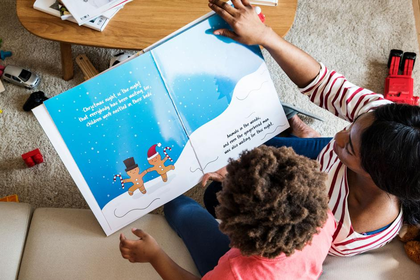
Reading aloud to your child every day exposes them to vocabulary, sentence structures, and story patterns that are often well above what they could access on their own. This builds listening comprehension, which is the foundation that independent reading skills grow on top of.
Why Read Alouds Support Phonics and Early Reading at Home
A child’s ability to understand a story when someone reads it to them is almost always significantly higher than their ability to read that same story on their own. Reading aloud bridges that gap. It also:
- Models fluent, expressive reading so children learn what good reading sounds like
- Builds vocabulary naturally through context rather than flashcards
- Creates a positive emotional association with books and reading
- Strengthens listening skills and attention span
Even five to ten minutes a day makes a real difference. The consistency matters far more than the length of each session.
Practice Phonics and Early Reading at Home Through Everyday Life
Phonics does not have to happen at a desk with worksheets. Practicing letter sounds in everyday life is one of the most effective and underused strategies for supporting early reading at home.
Easy Ways to Practice Phonics Outside of School
- License plates and road signs — pick a letter and have your child tell you the sound it makes every time they see it
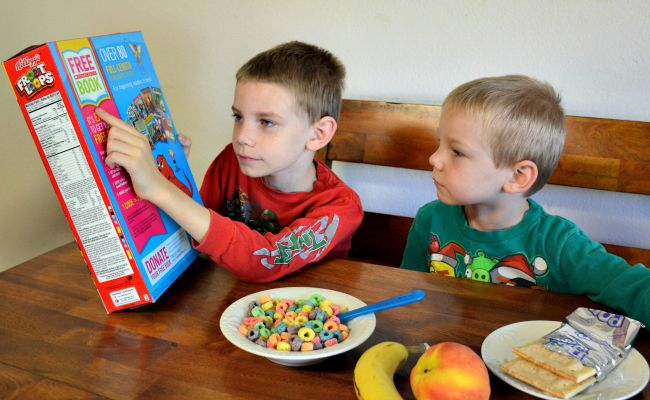
- Cereal boxes and food packaging — point to words and ask your child to sound out the first letter or blend
- The grocery store — ask your child to find something that starts with a certain sound
- Magnetic letters on the fridge — simple word-building games at any time during the day
- “I Spy” with letter sounds — “I spy something that starts with the /str/ sound”
The key is to make these feel like a game rather than homework. Short, playful interactions are far more effective than long formal practice sessions for this age group.
Use Decodable Books for Independent Reading Practice
When it comes to choosing books for your child to read on their own, decodable books are worth knowing about, especially in the early stages of learning to read.
What Are Decodable Books?
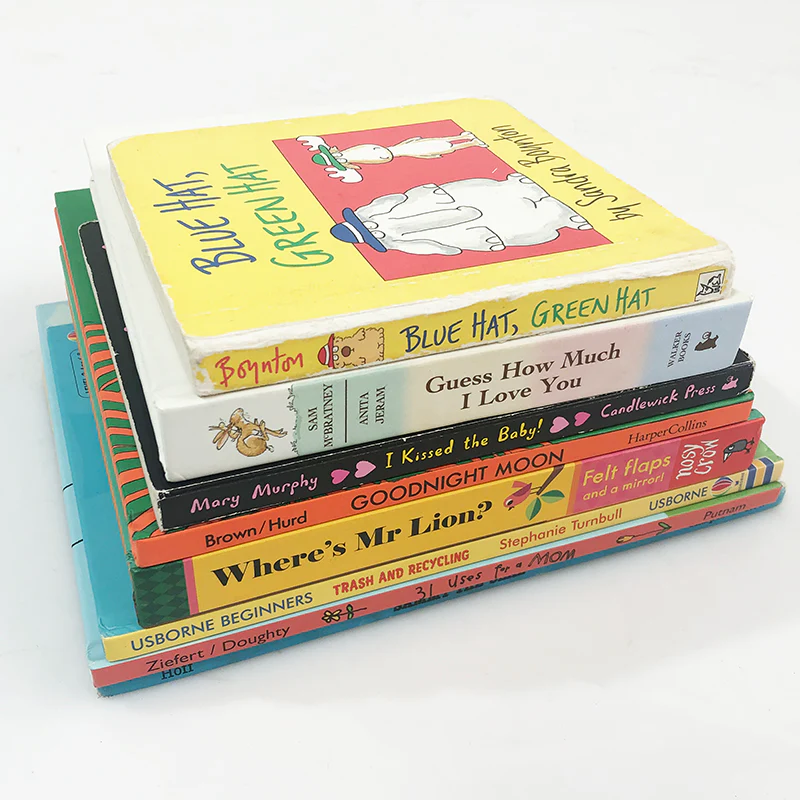
Authors write decodable books specifically to align with the phonics patterns a child has already learned. Rather than relying on memorized sight words or guessing from pictures, every word in a decodable book is something the child can genuinely sound out using the phonics skills they have built so far.
This matters because early reading confidence is fragile. A child who can successfully decode every word on a page feels capable and motivated to keep going. A child who encounters too many words they cannot figure out starts to feel like reading is something they are just not good at.
Decodable books are not meant to be read forever. They are a bridge. Once a child’s phonics foundation is solid, they can transition to a much wider range of books without struggling.
Give Your Child Time to Sound It Out
One of the most natural instincts parents have when their child gets stuck on a word is to jump in and say it for them. It feels kind. It keeps the story moving. But it can actually slow reading development down.
Giving your child time to sound it out, even when it feels uncomfortable, builds the independent problem-solving skills that make a strong reader. When a child works through a difficult word and gets it right, that success matters far more than simply hearing you say the answer.

A Simple Approach That Works
- When your child gets stuck, wait a few seconds before helping
- If they need a prompt, try “what sound does that first letter make?” rather than saying the word
- If they still cannot get it after a genuine attempt, tell them the word and move on. Do not let it become a stressful moment
- Come back to that word another time in a low-pressure way
The goal is to build confidence, not to test them. Keeping the emotional experience of reading positive is just as important as the phonics practice itself.
Digital Tools That Support Phonics and Early Reading at Home
Technology, used thoughtfully, can be a genuinely helpful supplement for supporting phonics and early reading at home. Here are a few tools worth knowing about:
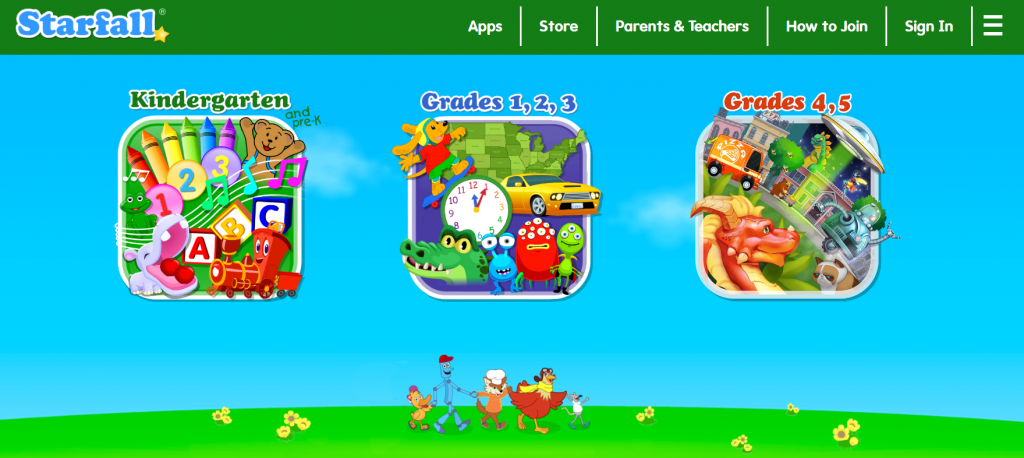
Starfall
Starfall is a free phonics-focused platform designed specifically for early readers in the K–2 range. It is interactive, visually engaging, and directly aligned with phonics instruction, making it a solid option for extra practice outside school hours.
Epic!
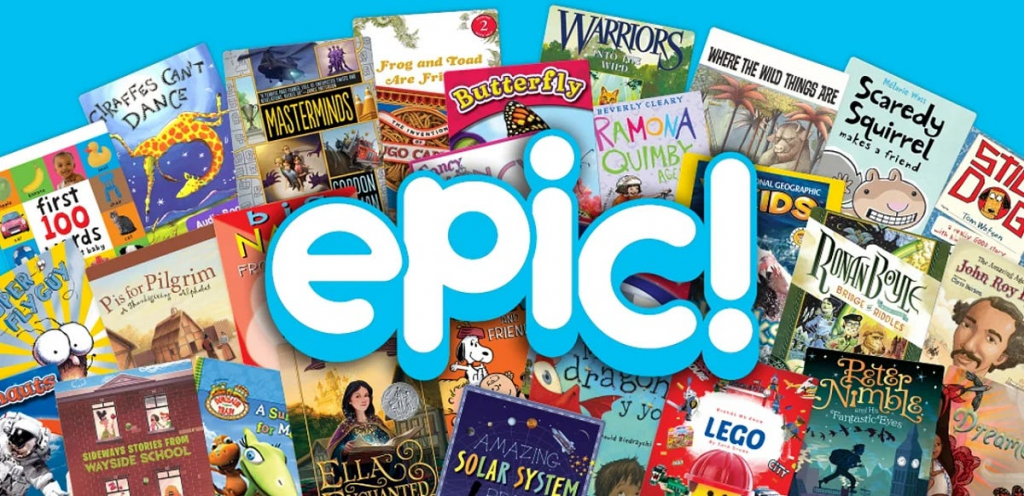
Epic! is a children’s digital library with over 40,000 books, audiobooks, and read-aloud recordings. It is one of the most practical tools available for parents looking to build reading habits at home because it removes one of the biggest barriers: finding books your child actually wants to read.
Epic! recommends titles based on your child’s age, interests, and reading history, making it easy to find level-appropriate books without any guesswork. If you are unsure what reading level your child is currently at, our guide on how to tell if a book is the right reading level for your child walks through exactly how to figure that out. The built-in dictionary feature allows children to tap any word and instantly see a definition, which is excellent for vocabulary building while reading independently. The read-aloud and audiobook options especially help struggling readers, who benefit from hearing a story come to life before attempting it on their own.
Khan Academy Kids
Khan Academy Kids is a free app covering early literacy alongside other foundational skills. It includes phonics activities, read-along books, and games that make practice feel genuinely fun for young children.
- A note on screen time: Digital tools work best as a supplement to physical books and real-world reading practice, not a replacement. Short, purposeful sessions tend to be more effective than extended screen time. Reading on a screen is still reading, but variety matters.
Keep It Fun: The Most Important Part of Phonics and Early Reading at Home
This is possibly the most important section in this entire guide, and the one most likely to get skipped.
The biggest factor in early reading success is not the method, the tool, or the curriculum. It is how the child feels about reading.

A child who associates reading with stress, frustration, or disappointment will avoid it. A child who associates reading with curiosity, warmth, and success will seek it out. Supporting phonics and early reading at home means protecting that positive association above almost everything else.
Practical Ways to Keep Phonics and Early Reading Positive at Home
- Keep sessions short — five to ten focused minutes is better than thirty stressful ones
- Celebrate effort, not just accuracy — “I love how hard you tried on that word” matters more than getting it right
- Let your child choose books sometimes — even if the book seems easy or silly, a child who chose it is a child who is motivated
- Never use reading as a punishment — “go read for an hour” as a consequence teaches children that reading is something to dread
- Follow their lead — if they are excited about a topic, find books about that topic regardless of reading level
Putting It All Together: Your Plan for Phonics and Early Reading at Home
Supporting phonics and early reading at home does not have to be complicated. Here is a simple summary:
- Read aloud together every day so children build vocabulary, comprehension, and a love of stories
- Weave phonics into everyday moments like license plates, signs, food packaging, and simple games
- Choose decodable books for independent reading practice in the early stages
- Give your child time to sound out words before jumping in to help
- Use digital tools like Starfall or Epic! to make finding level-appropriate books easier and more enjoyable
- Keep it positive and low pressure because how your child feels about reading matters more than anything else
Every child learns to read at their own pace. The role of a parent is not to accelerate that timeline at any cost. It is to make sure the journey feels safe, supported, and worth taking. The habits you build at home, no matter how small, will stay with them.
Frequently Asked Questions (FAQ)
Q: How much time should I spend on phonics practice at home each day?
A: Even five to ten minutes of focused practice each day makes a meaningful difference. Consistency matters far more than length. Short, regular sessions are significantly more effective than longer but infrequent ones. A quick game on the way to school, a few minutes of reading before bed, or pointing out letter sounds during everyday errands all count.
Q: My child gets frustrated when they struggle with reading. What should I do?
A: Frustration is a normal sign that the material may be slightly too difficult, or that the session has gone on too long. Try shortening practice sessions, switching to an easier book temporarily, or taking a break entirely. The most important thing is to end every reading session on a positive note, even if that means stopping before you planned to. A child who feels good about reading will come back to it willingly.
Q: What is the difference between phonics and sight words?
A: Phonics teaches children to decode words by connecting letters to sounds, so they can figure out words they have never seen before. Sight words are common words that do not always follow regular phonics patterns and are best learned by memorizing them on sight. Both skills work together. Strong readers typically have a solid phonics foundation alongside a bank of memorized sight words that allows them to read fluently without sounding out every word.
Q: At what age should my child start learning phonics?
A: Most children begin formal phonics instruction in kindergarten, around age five or six. However, the foundations start much earlier through exposure to language, books, songs, and rhymes. If your child shows interest in letters and sounds before kindergarten, gently exploring those concepts together is always beneficial. Every child develops at their own pace, so following their readiness matters more than hitting a specific age target.
Q: How do I know if my child needs extra support beyond what I can provide at home?
A: If your child is consistently struggling with letter sounds, blending, or reading basic words well into first or second grade despite regular practice, it may be worth speaking with their teacher or a reading specialist. Some children have dyslexia or other learning differences that respond very well to targeted intervention when identified early. Raising concerns early is always better than waiting.
Q: Is it okay if my child only wants to read easy books?
A: Yes, absolutely! A child who chooses to read an easy book is still reading, and that habit is more valuable than any specific level. Easy books build fluency, confidence, and the enjoyment of reading. Over time, as their confidence grows, most children naturally gravitate toward more challenging material. Let them lead, and celebrate every book they finish.