
If you’ve ever asked yourself “why does my child hate reading?” — you are far from alone. It’s one of the most common and frustrating things parents face, and it often catches families off guard. A child who seemed to enjoy books as a toddler suddenly wants nothing to do with them. Or a child who is perfectly capable of reading simply refuses to do it. What’s going on — and more importantly, what can you do about it?
The good news is that very few children actually hate reading in a deep or permanent way. In most cases, what looks like hatred of reading is really a response to something specific — a bad experience, a skill gap, the wrong books, or too much pressure. Once you identify the real reason, the path forward becomes much clearer.
In this guide we’ll walk through the most common reasons children avoid reading, how to tell which one applies to your child, and what you can do at home to turn things around.
Is It Really Hatred of Reading — or Something Else?
When parents ask why does my child hate reading, it’s worth pausing before assuming the worst. True hatred of reading — where a child has a deep, lasting aversion to books and stories — is actually quite rare. What’s far more common is reading avoidance, and avoidance almost always has a specific, identifiable cause.
Children avoid things that feel hard, boring, frustrating, or joyless. Reading avoidance is usually a sign that one of those things is happening — not a sign that your child is a non-reader by nature. In fact, research consistently shows that children who claim to hate reading often simply haven’t found the right book yet, or are struggling with an underlying skill that makes reading feel harder than it should.
Understanding the difference between avoidance and true disinterest is the first step — and asking why does my child hate reading is exactly the right question to start with.
7 Real Reasons Why Your Child Hates Reading
1. Reading Feels Hard or Frustrating
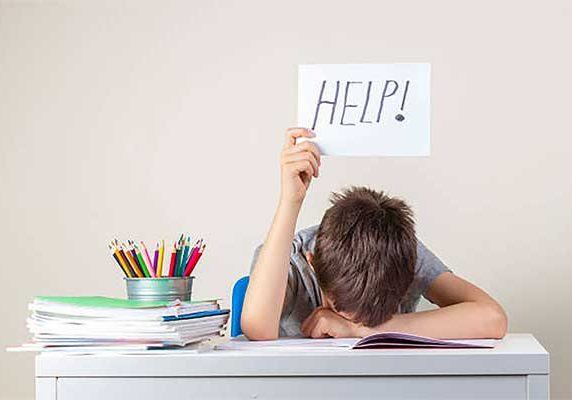
This is the most common reason children avoid reading — and the most important one to rule out first. When decoding words takes enormous effort, reading stops being enjoyable and starts feeling like work. Children who are struggling with phonics, fluency, or comprehension often respond by avoiding reading altogether rather than admitting they’re finding it difficult. If your child frequently makes excuses to avoid reading, gets upset during reading time, or rushes through books without retaining anything, a skill gap may be the underlying cause.
2. The Books Are Wrong for Them
One of the most underappreciated reasons why a child hates reading is simply that no one has found the right book for them yet. Children who claim to hate reading often change their minds completely when they discover a book about something they’re genuinely passionate about — whether that’s dinosaurs, soccer, graphic novels, humor, or horror. Moreover, books that are too hard cause frustration and books that are too easy cause boredom. Both lead to avoidance. Getting the level and the topic right makes an enormous difference.
3. Reading Feels Like a Chore or Punishment
If a child’s entire experience of reading involves being told to read, being graded on reading, or being forced to sit still and read as homework, they’re likely to associate books with obligation rather than pleasure. Furthermore, when reading time is rushed, pressured, or tied to consequences, children learn to dread it rather than enjoy it. Reading becomes something done to them rather than something they choose — and that’s a difficult association to overcome.
4. Screen Competition
Books are competing with an enormous amount of highly stimulating digital content — videos, games, social media, and apps all designed by experts to capture and hold attention. In comparison, a book can feel slow and unrewarding, particularly for children who haven’t yet experienced the deep satisfaction of getting lost in a great story. This doesn’t mean screens are the enemy, but it does mean that building a reading habit requires deliberate effort in a world full of faster alternatives.
5. They Don’t See Reading Modeled at Home
Children learn an enormous amount from watching the adults around them. If the adults in a child’s life don’t read for pleasure, children receive the message — consciously or not — that reading is something you do as a child but grow out of. On the other hand, when children regularly see parents reading books, magazines, or newspapers for enjoyment, reading becomes normalized as a desirable adult activity rather than a school obligation.
6. A Negative Experience With Reading
Sometimes a specific negative experience plants the seed of reading avoidance. Being called on to read aloud in class and stumbling over words, being mocked by peers, being criticized for reading slowly, or being compared unfavorably to a sibling who reads well — any of these experiences can create lasting negative associations with reading. For some children, what looks like “hating reading” is actually closer to reading anxiety or reading shame.
7. An Unidentified Learning Difference
In some cases, persistent reading avoidance is connected to an unidentified learning difference such as dyslexia, ADHD, auditory processing difficulties, or visual processing challenges. Children with these differences often work much harder than their peers just to decode basic text — and that extra effort makes reading exhausting rather than enjoyable. If your child’s reading avoidance is persistent, intense, and accompanied by frustration or emotional reactions during reading time, it’s worth exploring whether an underlying difficulty may be playing a role.
Signs the Problem Is a Skill Gap vs. a Motivation Problem
Before choosing a strategy, it helps to figure out whether your child’s reading avoidance is primarily a skill issue or a motivation issue — because the solutions are different.
| Signs It May Be a Skill Gap | Signs It May Be a Motivation Problem |
|---|---|
| Struggles to decode words accurately | Can read well when interested in the topic |
| Reads very slowly or with great effort | Avoids reading but enjoys audiobooks |
| Gets upset or emotional during reading | Claims books are “boring” rather than “hard” |
| Can’t retell what they just read | Reads well at school but refuses at home |
| Avoids reading aloud in front of others | Shows interest in stories told verbally or on screen |
| Reading level is below grade expectations | Reading level is at or above grade level |
If most of your child’s signs fall in the left column, focus first on building the underlying skill. If they fall in the right column, the strategies below — particularly around book choice and reducing pressure — are likely to make the biggest difference.
👉 Related reading: Why Your Child Can Read But Doesn’t Understand
How to Help When Your Child Hates Reading
Let Them Choose Their Own Books
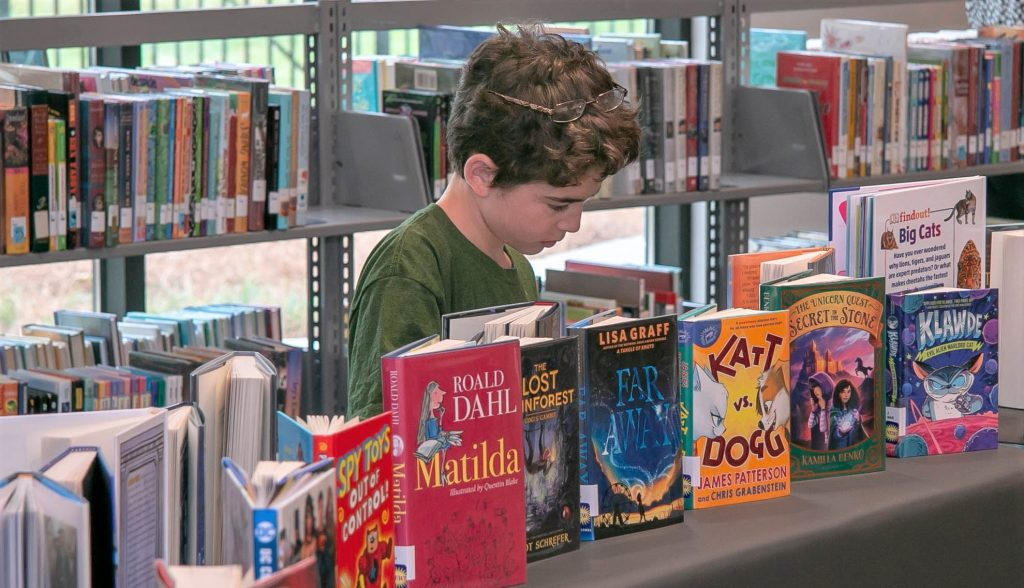
This is the single most powerful thing you can do for a reluctant reader. Interest-driven reading consistently outperforms assigned reading for building motivation, stamina, and enjoyment. Take your child to the library and let them browse without steering them toward “better” choices. A comic book, a book about video games, a joke book — all of these count as reading, and all of them can be the gateway to a lifelong reading habit. The goal right now is to rebuild positive associations with books, not to ensure they’re reading the “right” things.
Read Aloud Together — Even Now
Reading aloud to your child is one of the most underused tools for reluctant readers at any age. When you read aloud, your child gets to experience the pleasure of a great story without the effort of decoding — which helps rebuild positive feelings about books. Additionally, hearing you read with expression and enthusiasm models what engaged reading looks and sounds like. Choose books that are slightly above their independent reading level to expose them to richer vocabulary and more compelling stories.

Remove the Pressure
If reading time in your house is currently associated with conflict, nagging, or consequences, the first step is to take all of that away. Instead of requiring reading, invite it. Instead of timing reading sessions, keep them short and optional. Instead of quizzing your child afterward, simply ask “was there anything interesting in what you read?” The goal is to separate reading from obligation — and that takes time, but it works.
Expand What Counts as Reading
Reading doesn’t have to mean sitting with a chapter book for thirty minutes. Magazines, graphic novels, comic books, instruction manuals, sports statistics, recipes, game guides — all of these involve reading and all of them count. For reluctant readers especially, broadening the definition of reading helps break the association between reading and schoolwork. Moreover, children who read widely in formats they enjoy naturally develop stronger vocabulary and comprehension over time.
Try Audiobooks
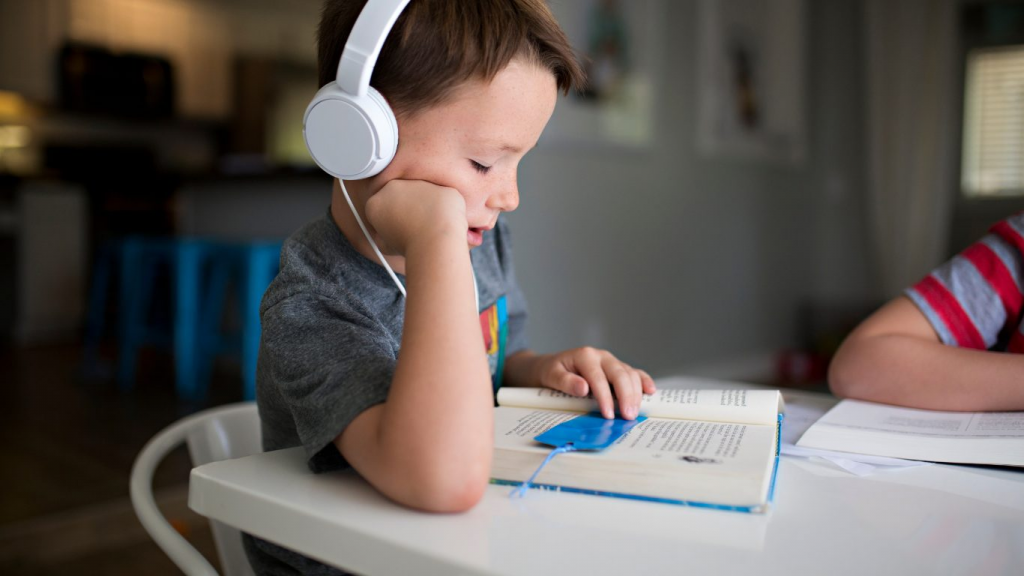
Audiobooks are a powerful bridge for children who find reading effortful or joyless. Listening to a great story builds vocabulary, comprehension, and — most importantly — a connection to the pleasure of narrative. Many children who “hate reading” discover through audiobooks that they actually love stories. From there, the transition to printed books often happens naturally. Storyline Online offers free read-aloud videos with professional actors that are an excellent starting point.
Model Reading Yourself
Let your child see you reading regularly — not as a performance, but as a genuine part of your daily life. Talk about what you’re reading at the dinner table. Share interesting things you learned from a book or article. Show enthusiasm when you finish a good book. Children who grow up in homes where reading is a normal adult activity are significantly more likely to become readers themselves.

Build a Reading Routine That Feels Good
Consistency helps, but only if the routine feels positive. A short, cozy reading time before bed — where you sit together, maybe with a snack, and read without any pressure or performance — can gradually rebuild a child’s relationship with books. Keep it short (even 10 minutes), keep it warm, and let your child lead as much as possible.
👉 Related reading: Reading Milestones by Age — Is Your Child on Track?
What NOT to Do When Your Child Hates Reading
Just as important as knowing what to do is knowing what to avoid. These common mistakes can deepen reading avoidance rather than resolve it:
- Don’t force or bribe. Forcing a child to read — or offering rewards for reading — can backfire by making books feel like a transaction rather than a pleasure. Intrinsic motivation is far more powerful and durable than extrinsic rewards.
- Don’t compare to siblings or classmates. Comparisons create shame, and shame makes avoidance worse. Every child develops at their own pace and in their own way.
- Don’t correct every mistake. If your child is reading aloud and making errors, resist the urge to correct every single one. Constant correction breaks flow, increases anxiety, and makes reading feel like a performance rather than an experience.
- Don’t make reading the only screen-free option. If reading is positioned as the punishment for not being allowed to watch TV, children will resent it even more. Instead, make reading one enjoyable option among others.
- Don’t give up too quickly. Rebuilding a positive relationship with reading after avoidance takes time — often several months of consistent, low-pressure effort. Stay patient and trust the process.
Free Tools That Help Reluctant Readers
Several free tools are particularly well suited to children who currently avoid reading:
- Storyline Online — Celebrity read-alouds that make stories feel exciting and accessible without the effort of decoding. A great starting point for children who love stories but hate reading.
- Epic! — A massive digital library where children can explore books freely across thousands of topics. The browsing experience alone can help reluctant readers find something that sparks genuine interest.
- PBS Kids Reading Games — Low-pressure literacy games featuring familiar characters that help children engage with language in a fun, non-threatening way.
- Reading Rockets — Research-based resources for parents on how to motivate reluctant readers and support children with reading difficulties.
👉 Related reading: Top 10 Free Reading Tools for Kids
When to Seek Additional Help
For most children, reading avoidance improves significantly with patient, low-pressure support at home. However, there are situations where additional help is warranted. Consider speaking with your child’s teacher or a reading specialist if:
- Reading avoidance has persisted for more than six months despite consistent positive support at home
- Your child shows intense emotional reactions — meltdowns, tears, or shutdowns — around reading
- They are reading significantly below grade level and the gap is growing rather than closing
- They complain that words “jump around,” look blurry, or that their eyes hurt when reading
- They struggle with reading but perform well in other subjects when information is delivered verbally
These signs may point to an underlying learning difference that responds very well to early, targeted support. The earlier a difficulty is identified, the easier it is to address — so don’t wait if your gut is telling you something more may be going on.
Final Thoughts
If you’ve been asking yourself “why does my child hate reading,” the most important thing to hold onto is this: the situation is almost always temporary and almost always fixable. Very few children are truly non-readers at their core. Most are simply waiting for the right book, the right conditions, or a little relief from pressure and expectation.
Your job as a parent isn’t to force your child to love reading — it’s to keep the door open and make the environment as welcoming as possible until they’re ready to walk through it. Stay patient, stay curious about what might be getting in the way, and remember that why does my child hate reading is a question with an answer — and usually a very fixable one.
FAQ: Why Does My Child Hate Reading?
Why does my child hate reading all of a sudden?
A sudden shift in reading attitude often happens around third grade, when reading material becomes significantly harder and children who relied on memorizing whole words begin to struggle. It can also be triggered by a negative experience — being embarrassed while reading aloud, being compared to a sibling, or receiving critical feedback. Identifying what changed and when is a helpful starting point for understanding what’s going on.
Is it normal for my child to hate reading?
Reading avoidance is very common, particularly in the early elementary years and again in middle school. However, it’s rarely permanent. Most children who avoid reading do so for specific, identifiable reasons — and most of those reasons respond well to the right support at home. So while it’s common, it’s not something to simply accept and move on from.
How do I get my child interested in reading when they hate it?
Start by removing all pressure around reading and letting your child choose their own books based purely on interest — no matter the format or topic. Read aloud together regularly, try audiobooks as a bridge, and make reading a cozy and optional part of your daily routine rather than a requirement. The goal is to rebuild positive associations with books one small experience at a time.
Could my child’s hatred of reading be a sign of dyslexia?
It could be a contributing factor, particularly if your child struggles significantly with decoding, reads very slowly despite lots of practice, or shows intense emotional reactions during reading. However, dyslexia is just one of several possible reasons for reading avoidance. If you suspect it, speak with your child’s teacher or request a reading assessment — early identification makes a significant difference in outcomes.
What types of books are best for children who hate reading?
For reluctant readers, interest and accessibility matter far more than literary merit. Graphic novels, joke books, books about sports or hobbies, choose-your-own-adventure books, and high-interest non-fiction are all excellent starting points. The goal is to find something that makes a child forget they’re reading — because they’re too absorbed in what they’re actually learning or experiencing.
👉 Related reading: Best Books for Beginning Readers