
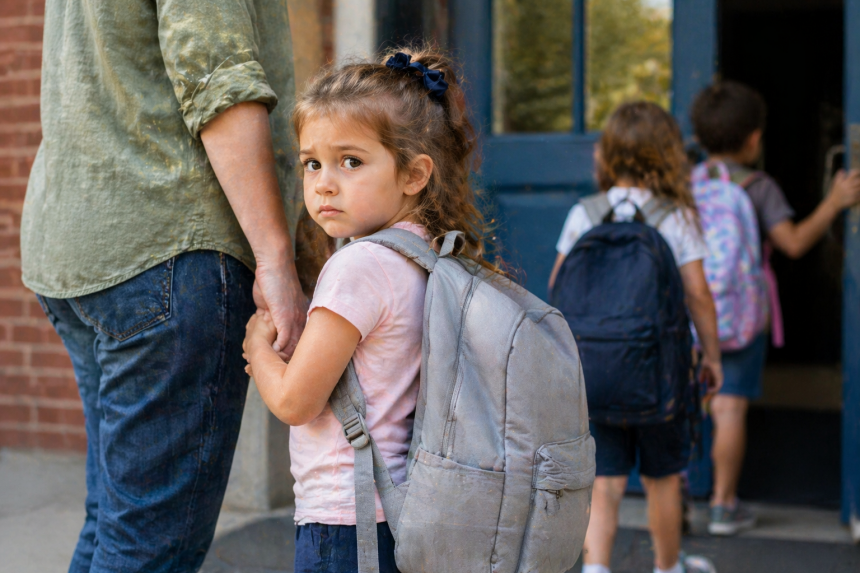
Starting kindergarten is one of the most meaningful transitions in early childhood. It marks the moment when children begin to step beyond the familiarity of home and into a structured social world. While this change is often framed as exciting, the emotional experience for children is much more complex.
For many, kindergarten represents a mix of curiosity and uncertainty. They may feel interested in new activities, yet unsure about what will happen throughout the day. They may look forward to meeting new people, while also worrying about whether they will fit in. These mixed emotions are completely natural, but they can feel overwhelming when children don’t yet have the tools to understand or express them.
This is why preparation matters.
Among all the ways parents can support children during this transition, reading together stands out as one of the most effective. Books create a bridge between the unknown and the familiar. They allow children to experience school in advance—through characters, situations, and emotions—without the pressure of real-life expectations.
Over time, this exposure builds a sense of understanding. Kindergarten stops feeling like something unpredictable and begins to feel like something they recognize. That shift, even if subtle, can make a significant difference in how children approach their first day.
Why Books Make Starting Kindergarten Easier
Children do not respond strongly to abstract reassurance. Telling a child that “everything will be fine” often has limited impact, because it does not address what they are actually feeling. What children need is context—something they can see, follow, and relate to.
Books provide exactly that.
Through stories, children are able to observe the full emotional journey of starting school. They see characters who feel nervous, uncertain, or even resistant at first. More importantly, they see how those feelings evolve. This process helps children understand that their emotions are not permanent, and that adjustment happens naturally over time.
Another important aspect of reading is the sense of emotional safety it provides. When children encounter fear in a story, they are not directly responsible for solving it. Instead, they can watch how a character navigates the situation. This distance reduces pressure and allows children to process emotions more calmly.
Repetition also plays a key role. Reading the same story multiple times builds familiarity. Children begin to anticipate what will happen next, which creates a sense of control. This predictability is especially comforting when they are preparing for an experience that feels uncertain.
In this way, books do more than explain kindergarten—they help children mentally rehearse it.
What Children Are Really Worried About
Understanding children’s concerns is essential when choosing the right books. While every child is different, most kindergarten-related anxiety tends to fall into a few core areas.
Separation is often the most immediate concern. Being away from parents, even for a short period, can feel unfamiliar and unsettling. Children may worry about whether they will feel safe or whether their parents will come back. This fear is not always expressed directly, but it often shows up in behavior.
Uncertainty is another major factor. Kindergarten introduces a completely new environment—new routines, new expectations, and new people. Without a clear understanding of what the day will look like, children may feel unsure about how to navigate it.
Social interaction also plays a significant role. Meeting new classmates, sharing space, and figuring out how to communicate with others are all new challenges. For some children, this is exciting. For others, it can be intimidating.
The most effective books do not try to eliminate these concerns. Instead, they acknowledge them and gradually guide children toward understanding and confidence.
Best Books About Starting Kindergarten
The following books focus on the real emotional experiences children face when starting kindergarten. Rather than presenting idealized situations, they reflect the uncertainty, curiosity, and gradual adjustment that most children go through.
School’s First Day of School
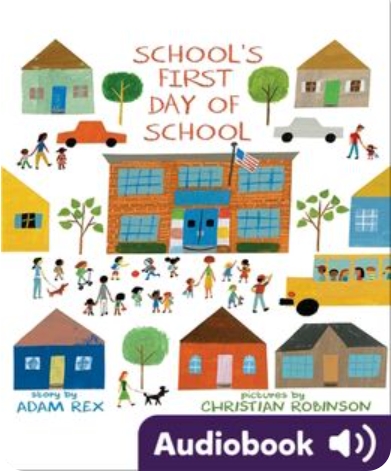
This book stands out because of its unique perspective. Instead of telling the story from a child’s point of view, it is told from the perspective of the school itself. The building is unsure about what the first day will bring, wondering what the children will be like and how everything will unfold.
This shift in perspective has a powerful effect. It allows children to see that uncertainty is not something they experience alone. Even the environment feels new in its own way. This idea can reduce anxiety by making the experience feel shared rather than isolating.
The storytelling is imaginative and engaging, but it also carries an underlying message: beginnings are often uncertain, and that is okay. Over time, the school becomes more comfortable, mirroring the experience children go through.
For many children, this book works because it reframes fear. Instead of focusing directly on their own emotions, it gives them a new way to think about the situation, making it feel lighter and more manageable.
The Day My Mom Came to Kindergarten
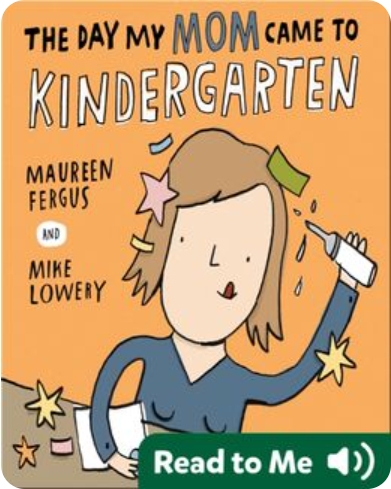
This story explores one of the most common concerns children have—being separated from a parent. Instead of addressing this fear directly, it approaches it in a creative and reassuring way by imagining what would happen if a parent joined the child at school.
This concept helps children bridge the gap between home and school. It shows that the two environments are not completely separate, but connected. The presence of the parent, even in an imagined way, creates a sense of comfort and familiarity.
The tone of the book is warm and supportive, making it especially effective for children who are sensitive to separation. It does not dismiss the feeling, but gently reshapes it.
As children read the story, they begin to understand that while parents may not stay at school, the sense of security they provide does not disappear. This realization can make the transition feel much less intimidating.
Will I Have a Friend?
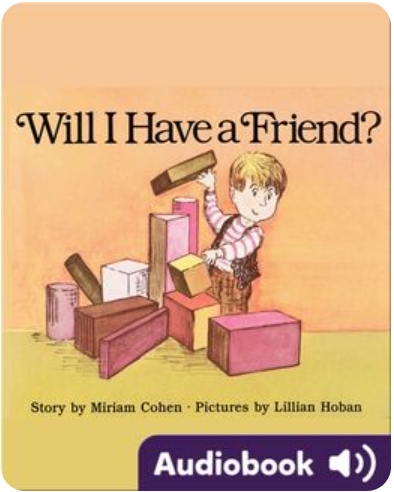
This book addresses one of the most personal concerns children have before starting school: whether they will feel alone. Instead of focusing on external events, it centers on the internal thoughts of a child preparing for kindergarten.
The strength of this story lies in its honesty. It acknowledges uncertainty without trying to resolve it too quickly. Children are given space to recognize their own thoughts within the character’s experience.
As the story progresses, the focus shifts toward connection. Children see that friendships do not need to happen instantly, and that simply being present is often the first step.
This gradual transition from worry to openness is what makes the book effective. It does not promise immediate comfort, but it shows that comfort is possible.
How These Books Help Children in Real Life
Reading these books before kindergarten provides children with a sense of familiarity that can significantly reduce anxiety. When they encounter similar situations in real life, they are not experiencing them for the first time—they are recognizing something they have already seen.
This recognition changes how children respond. Instead of reacting with uncertainty, they approach the situation with a sense of understanding. They may still feel nervous, but that nervousness becomes easier to manage.
These books also help children develop emotional awareness. They begin to recognize what they are feeling and understand that those feelings are temporary. This awareness makes it easier for them to communicate and adjust.
Over time, these small shifts lead to greater confidence. Children become more willing to explore, engage, and participate, even when they feel unsure.
Supporting Your Child Through This Transition
Books are most effective when they are part of a broader supportive environment. Reading together creates opportunities for connection and conversation, which are essential during this transition.
Simple questions can help children reflect on what they read. Asking how a character felt or what they might do in a similar situation encourages children to think more actively about their own experiences.
It is also helpful to revisit stories multiple times. Familiarity builds comfort, and repeated reading reinforces understanding. Over time, children begin to internalize the patterns they see in stories.
Most importantly, it is essential to allow children to move at their own pace. Some will adjust quickly, while others need more time. With patience and consistent support, children gradually build the confidence they need.
Final Thoughts
Starting kindergarten is a significant step, but it does not have to be overwhelming. With the right preparation, children can approach this transition with curiosity rather than fear.
Books provide a simple yet powerful way to support this process. They help children understand what to expect, recognize their emotions, and see that adjustment is possible.
Over time, these stories become more than just reading material. They become part of how children understand new experiences and navigate change.
And often, that sense of readiness begins with a quiet moment—sitting together, reading a story, and imagining what comes next.
FAQs
What are the best books for starting kindergarten?
Books that address separation, social interaction, and emotional adjustment are the most helpful.
How can books reduce kindergarten anxiety?
They provide familiarity, normalize emotions, and allow children to explore situations before experiencing them.
When should I start reading these books?
A few weeks before school begins, with repeated reading for best results.