
Read-to-me books have become a common part of family reading apps, classroom libraries, and bedtime routines. The central question for parents and educators is not whether children like them. It is whether these books actually support reading development. The evidence suggests a nuanced yes. Shared reading is strongly associated with language, literacy, school readiness, and relationship-building, and digital read-aloud tools can support those goals when they reinforce the story and encourage adult-child interaction. But digital narration works best as a bridge, not a substitute, for conversation, rereading, and explicit reading instruction.
What Are Read-to-Me Books?
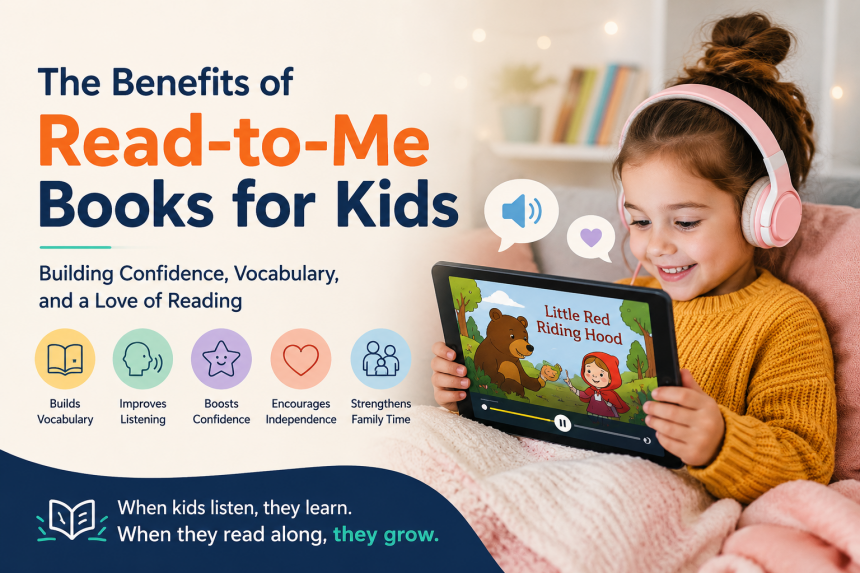
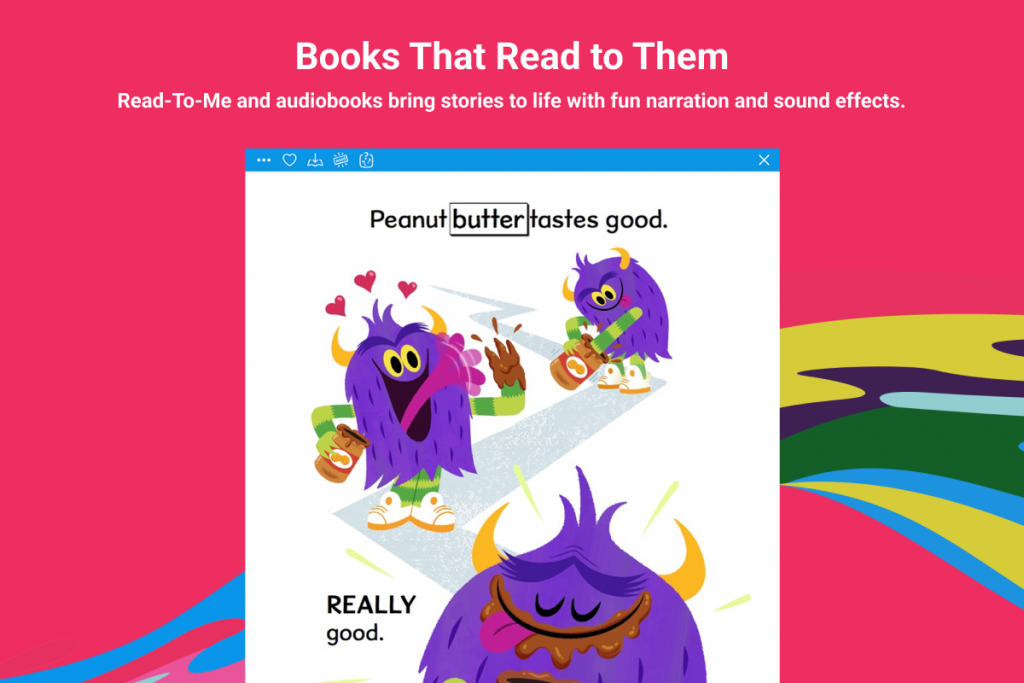
Read-to-me books are stories with built-in narration.
As children listen, they can follow the words on the screen or page.
Some read-to-me books also highlight words while the narrator reads aloud. This helps children connect spoken language with written text.
These books are especially helpful for:
- preschoolers
- kindergarten readers
- struggling readers
- children learning English
How Read-to-Me Books Help Early Readers
The strongest case for read-to-me books starts with the evidence on shared reading. A systematic review and meta-analysis found that shared picture-book reading interventions improve child language development. More recent work on dialogic book-sharing shows that when adults are trained to make reading interactive, children can make gains in expressive language, while parents improve in sensitivity and cognitive scaffolding. Reading Rockets also notes that dialogic reading helps children build vocabulary, verbal fluency, story understanding, and comprehension.
Preschool: Read-to-me books help preschoolers hear words and sentence structures that rarely appear in everyday conversation. That matters because books broaden vocabulary and expose children to narrative language, print conventions, and story structure long before formal reading instruction begins. AAP and NAEYC both emphasize that shared reading in the early years supports language, cognition, school readiness, and emerging literacy.
K–2: In the primary grades, read-to-me books can model fluent reading—pacing, phrasing, intonation, and expression—while giving children repeated exposure to high-frequency words and connected text. Epic’s educator materials specifically frame Read-To-Me books as useful for early readers, reading confidence, letter-sound correspondence, and high-frequency words, while IES emphasizes the importance of ensuring students read connected text every day to support accuracy, fluency, and comprehension.
How Teachers Use Read-to-Me Books in Classrooms
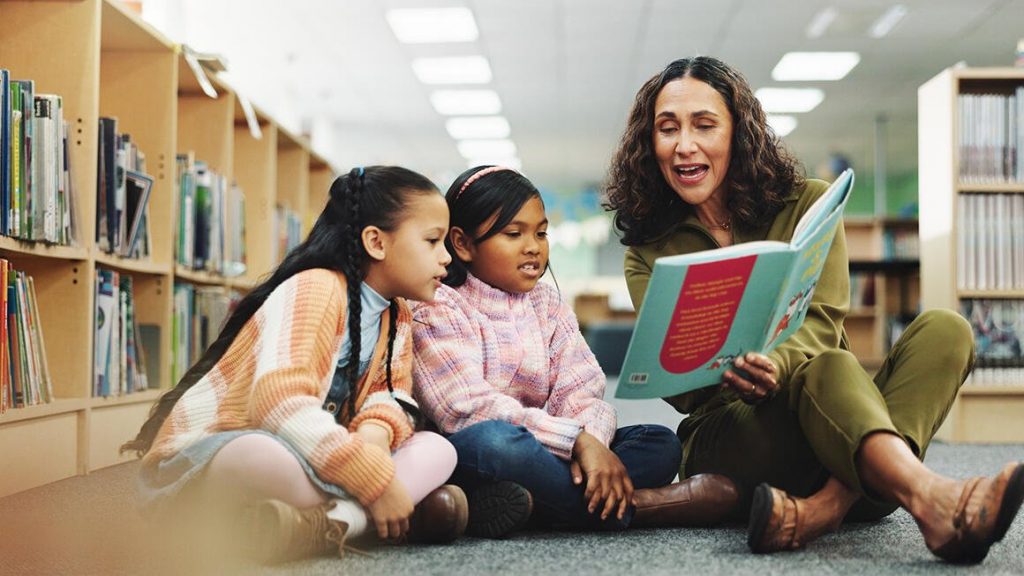
Teachers use read-to-me books best when they treat them as an instructional support, not background entertainment. Reading Rockets recommends repeated interactive read-alouds because rereading allows teachers to deepen vocabulary explanations, model inferencing, and increase children’s analytical talk. The IES reading comprehension guide similarly emphasizes explicit comprehension strategy instruction, while the foundational skills guide stresses daily connected-text reading and academic language development.
Preschool: In preschool and pre-K, read-to-me books work well in circle time, listening centers, and transitions when teachers want to reinforce print awareness, vocabulary, and oral language. NAEYC’s print-awareness guidance encourages teachers to explicitly highlight what print does during read-alouds, including the difference between text and illustrations and the organization of books.
K–2: In the early elementary classroom, read-to-me books fit particularly well into stations, intervention blocks, and independent practice after teacher modeling. Epic’s educator tools allow teachers to assign books, create collections, and track daily or weekly reading, while Khan Academy Kids allows teachers to assign books and gives students “Read to Me” and “Read by Myself” options. That makes both platforms usable for differentiated practice, especially when paired with a short follow-up task like retell, drawing, or vocabulary review.
Grades 3–5: By upper elementary, teachers often use narrated texts to help students access more complex anchor texts, build background knowledge, and support multilingual learners. Reading Rockets notes that grades 3–5 read-aloud texts may be too complex for students to read independently, which makes teacher-supported or audio-supported access valuable. BookFlix is especially useful here because it pairs animated fiction with thematically related nonfiction and includes lesson plans and follow-up activities.
A realistic classroom example looks like this: a second-grade teacher might introduce a science or SEL theme with a short read-to-me title on Epic, assign one Khan Academy Kids book for independent practice, and then use a BookFlix fiction–nonfiction pair for a deeper small-group discussion the next day. None of those tools replace teacher questioning; they simply make it easier to scale high-quality text exposure.
Best Read-to-Me Platforms for Kids
When choosing a read-to-me platform, parents and educators should look for four things: whether the narration matches the text clearly, whether the design supports the story instead of distracting from it, whether the library fits the child’s age and interests, and whether the platform supports the real setting in which it will be used—home, classroom, travel, intervention, or all four. Research on digital books strongly suggests that “more features” is not always better; story-aligned support is what matters.
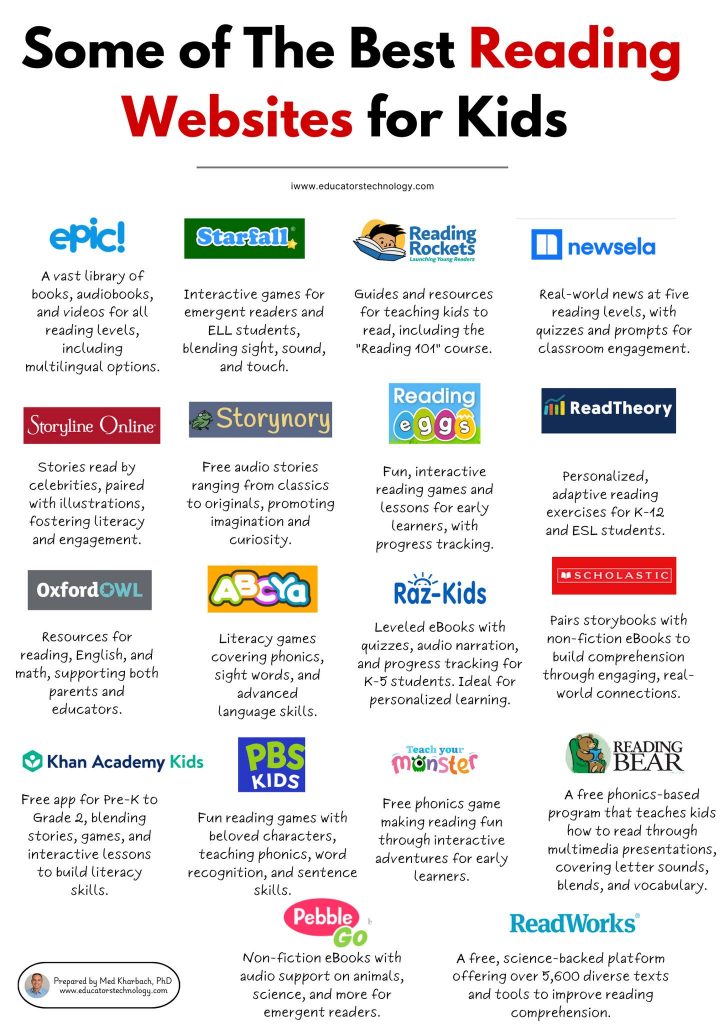
The platform snapshots below reflect current official descriptions from Epic, Khan Academy Kids, Vooks, and BookFlix. Libraries, access models, and some features can change over time or by plan.
| Platform | Best fit | What stands out | Best age band | Keep in mind |
| Epic | Families and schools that want one broad reading library | Large multi-format library; thousands of read-to-me books; follow-along highlighting; collections; teacher assignment and tracking tools; offline access for many titles | Preschool through grades 5 | Best for users who want breadth; plan details matter |
| Khan Academy Kids | Families or classrooms that want a free early-learning optio | Free, no ads, no subscriptions; books plus early learning activities; “Read to Me” and “Read by Myself”; classroom tools | Ages 2–8 / preschool–2nd | Library is smaller and more early-grade focused |
| Vooks | Children who engage well with visual storytelling | Animated read-alouds; highlighted read-along text; ad-free; Spanish translations; printable activities and teacher kits | Under 9 | Feels more video-like than a traditional e-book |
| BookFlix | Schools and libraries focused on early literacy and content pairing | Animated fiction plus paired nonfiction; Spanish text pairs; lesson plans and activities; strong classroom use case | Pre-K–3 | Best access is often through a school or library |
If you want one featured recommendation that feels natural for KidiReading’s parent-and-educator audience, Epic is the most versatile option in this set. It is not the only strong platform, but it does cover the widest set of use cases: family reading, classroom assignments, differentiated reading practice, offline moments, and older elementary browsing. Epic also visibly separates read-to-me books from audiobooks, which helps parents choose the right format for the moment.
Preschool: Khan Academy Kids and Vooks are especially strong for very young children because the age band is narrow and the interfaces are simple. Epic also works well at this stage when adults want more topic variety or more room to grow over time.
K–2: Epic and Khan Academy Kids are particularly practical here because they support both adult-led and child-led use. BookFlix adds a school-friendly option for strengthening comprehension and knowledge-building through paired texts.
Grades 3–5: Epic is the strongest of this group for older elementary students because it spans a broader age range and includes both read-to-me books and audiobooks. BookFlix remains useful for schools, though it is more narrowly focused on Pre-K to grade 3.
Educator lens: “Pick the platform that matches the routine, not the one with the loudest features.”
Actionable tips: Test one title yourself before assigning it; favor platforms with clean narration and clear text tracking; if you expect use during travel or spotty Wi-Fi, check offline reading before recommending a product to families.
Recommended Read-to-Me Books
The titles below were selected because they have qualities that usually work especially well in read-to-me format: rhythm, repetition, strong emotional cues, expressive dialogue, or naturally discussable themes.
| Title | Author | Best age range | Why it works in read-to-me format | Sample talking points for parents |
| Brown Bear, Brown Bear, What Do You See? | Bill Martin Jr.; illustrated by Eric Carle | 2–5 | The repetitive pattern and predictable page turns help children anticipate language and join in orally. | The repetitive pattern and predictable page turns help children anticipate language and join in orally. |
| The Snowy Day | Ezra Jack Keats | 3–6 | Gentle pacing, simple narration, and vivid imagery make it easy for young listeners to visualize and retell. | “What did Peter notice first?” “How did the snow change his day?” |
| We Don’t Eat Our Classmates | Ryan T. Higgins | 4–7 | The humor lands well in expressive audio, and the emotional arc is clear enough for strong discussion. | “Why was Penelope having trouble making friends?” “How would you help her?” |
| Jabari Jumps | Gaia Cornwall | 4–8 | The dialogue and emotional build-up make it ideal for expressive narration and feeling-word conversations. | The dialogue and emotional build-up make it ideal for expressive narration and feeling-word conversations. |
| Last Stop on Market Street | Matt de la Peña; illustrated by Christian Robinson | 5–9 | Rich language and layered themes work well when children can hear the wording and pause to discuss meaning. | Rich language and layered themes work well when children can hear the wording and pause to discuss meaning. |
| Mercy Watson to the Rescue | Kate DiCamillo; illustrated by Chris Van Dusen | 6–9 | Short chapters, comic timing, and vivid narration make it a strong bridge from picture books to supported chapter-book listening. | “What makes Mercy funny?” “What details helped you picture the scene?” |
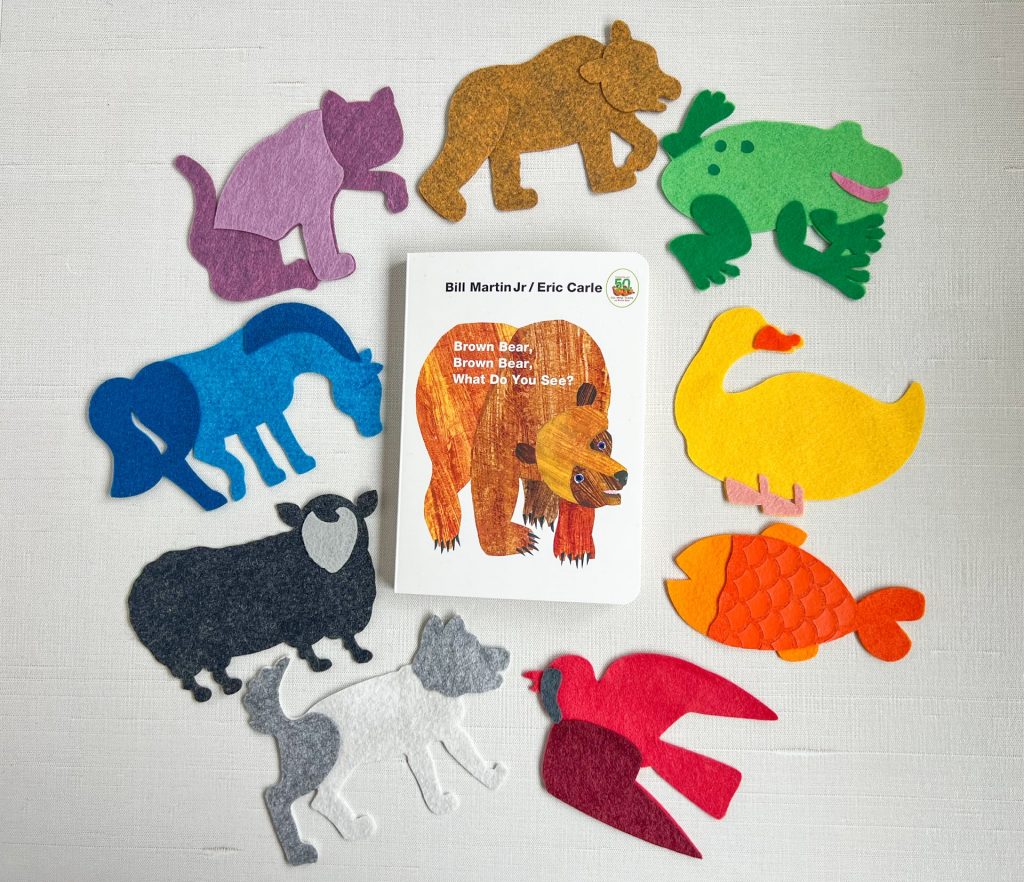
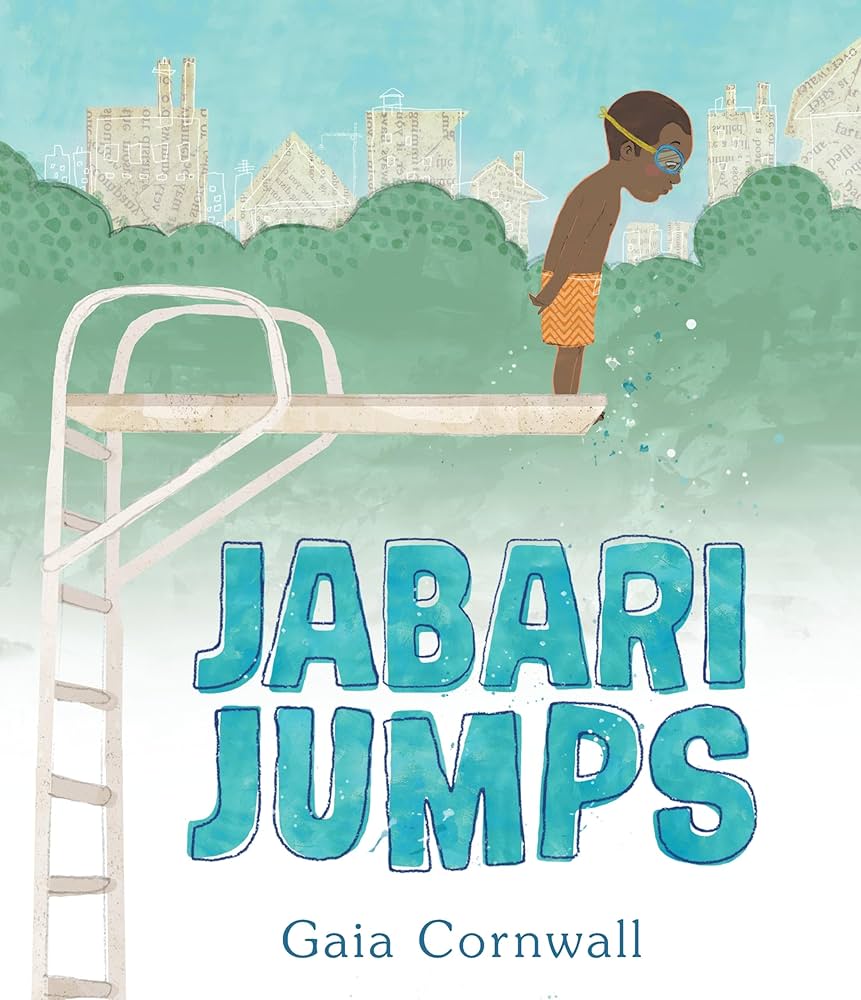
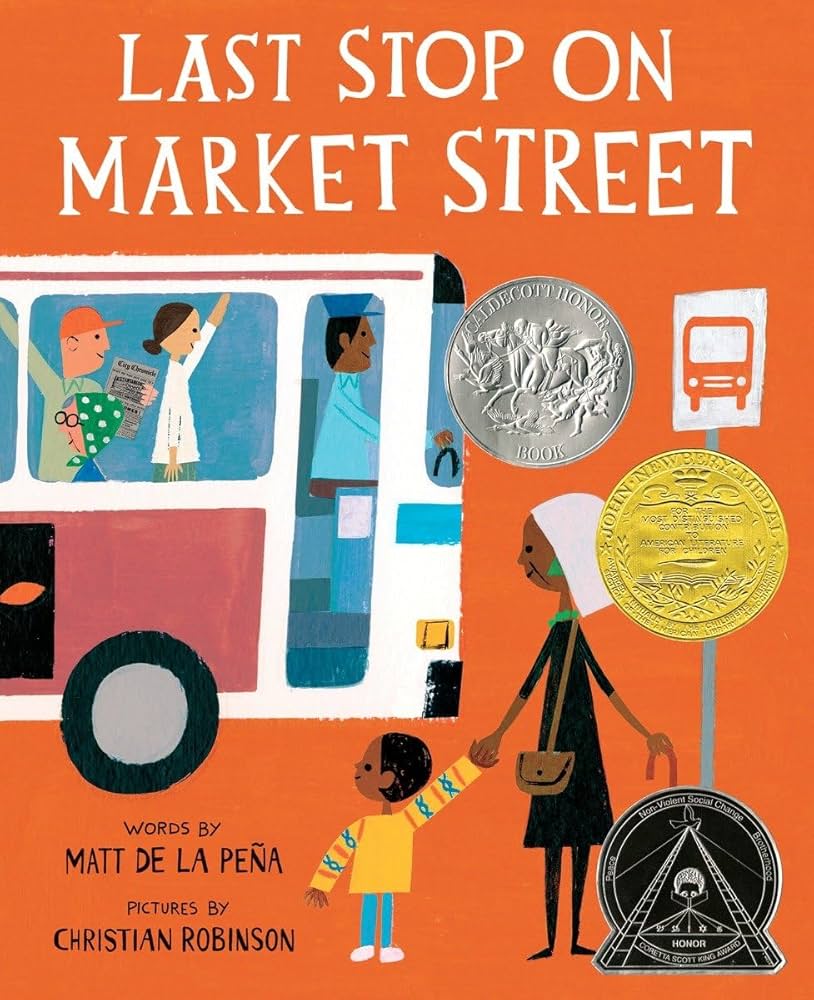
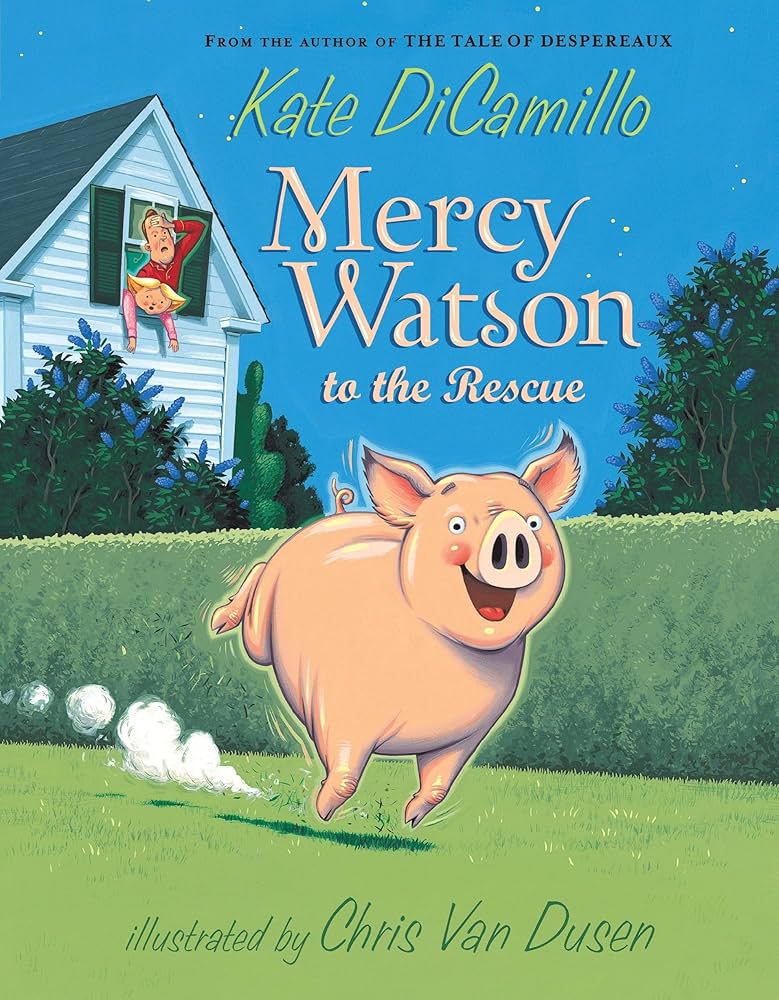
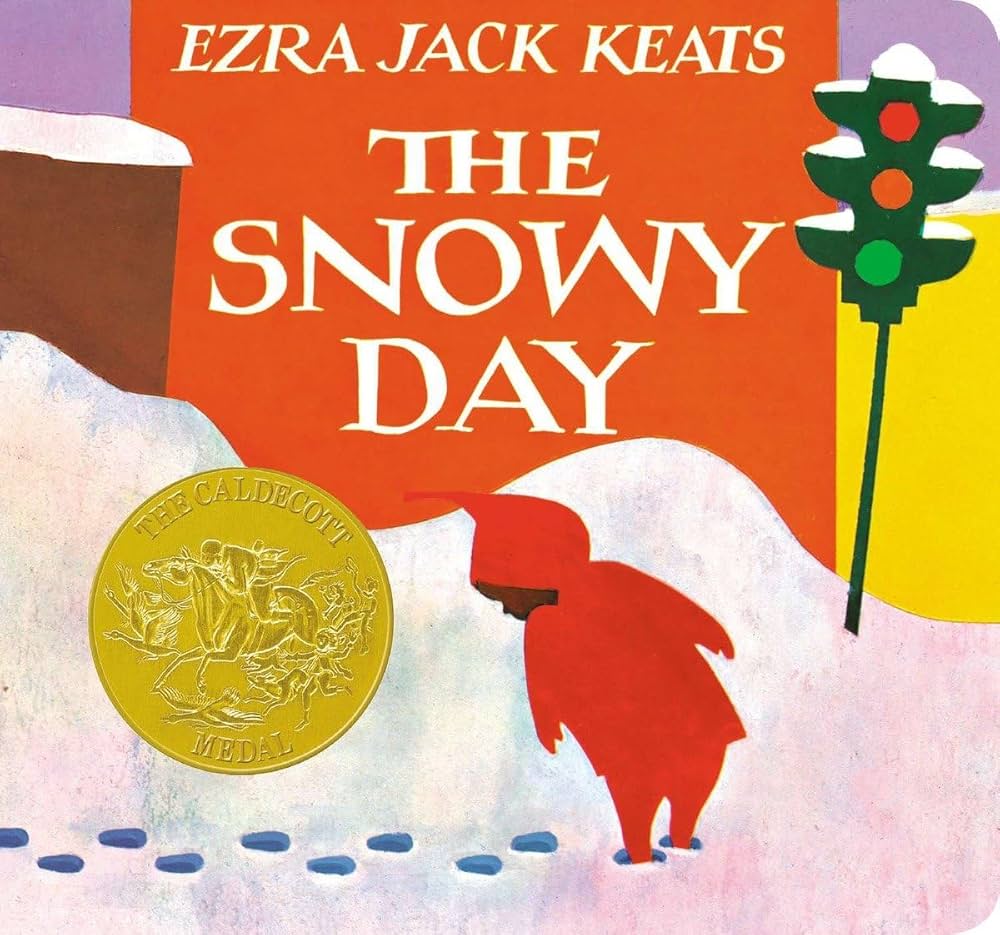
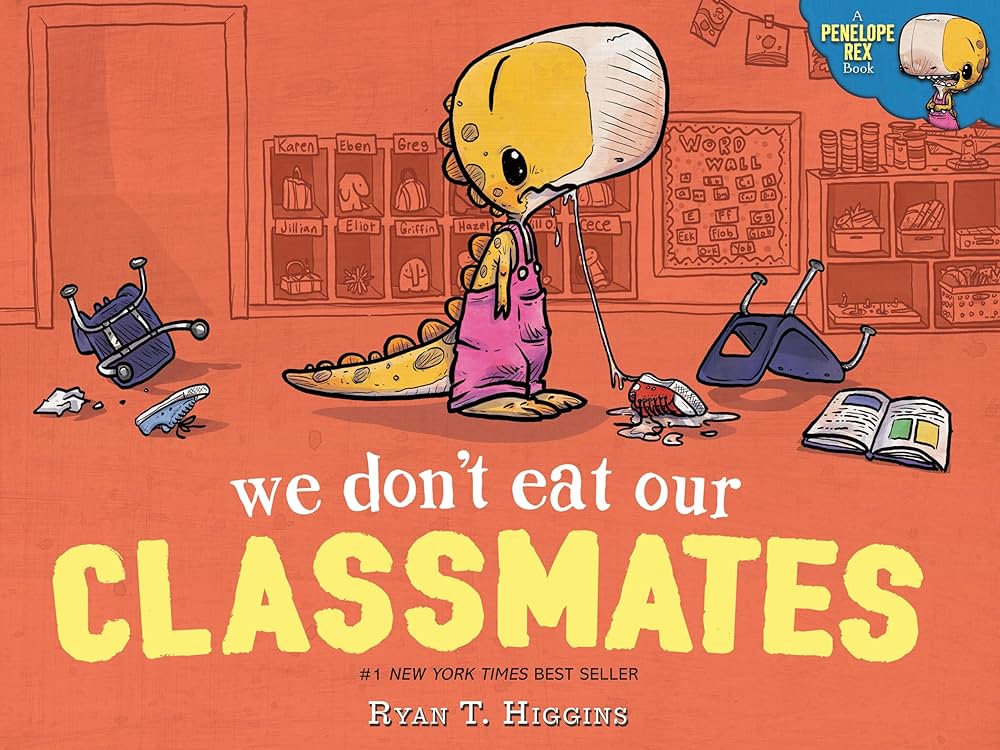
For age fit, here is the simplest way to think about the list. Preschoolers do best with pattern-heavy or image-rich books such as Brown Bear and The Snowy Day. K–2 readers often thrive with emotionally clear, discussion-ready picture books such as Jabari Jumps and We Don’t Eat Our Classmates. Grades 3–5 students, especially emerging or reluctant readers, benefit from bridge books like Mercy Watson to the Rescue and layered read-alouds like Last Stop on Market Street. Books with rhythm, repetition, and strong feelings tend to hold up particularly well in audio-supported reading.
Practical Tips for Parents and Teachers
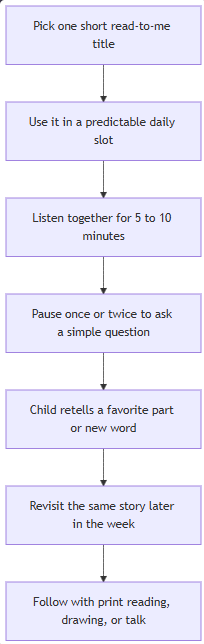
A successful read-to-me routine is usually short, predictable, and interactive. The AAP encourages families to build reading into daily routines from infancy, and NCIL recommends joint reading, open-ended questions, and story connections rather than passive listening. In other words, the best routine is not “press play and walk away.” It is “listen, pause, connect, and revisit.”
A simple home routine can look like this:
Preschool: Keep sessions brief and relational. Sit close, name pictures, echo repeated lines, and do not worry about “finishing” every book. If a child wants to replay the same animal page three times, that still counts as literacy work. Children with special health or developmental needs may also benefit from slower pace, more repetition, and flexible stop points during shared reading.
K–2: Alternate between “read to me” and “read by myself” when the platform allows it. That keeps narration from becoming a crutch and instead turns it into a scaffold. A useful pattern is preview with narration, reread independently, then talk about one key word and one key event.
Grades 3–5: Use read-to-me books strategically. They are excellent for previewing a harder text, rehearsing comprehension before independent reading, or keeping a struggling reader connected to grade-level ideas and topics. For teachers, this can also support whole-class access to complex content before discussion or writing.
A helpful instructional rule is to keep the interaction load light but meaningful. One question before reading, one pause during, and one short retell after is usually enough. Research on repeated interactive read-alouds suggests that rereading the same text with a different purpose on each pass can deepen vocabulary and analytical talk more effectively than one “perfect” first read.
Conclusion
Read-to-me books are not magic, and they are not a replacement for human read-alouds, foundational skills instruction, or independent reading practice. But they are a useful literacy tool. At their best, they give children access to expressive language, visible text, rich illustrations, and repeated story experiences that support vocabulary, comprehension, and motivation. The strongest evidence still points to the same core principle across print and digital reading alike: children learn more when an adult stays involved and turns the story into a conversation.
If families and classrooms use read-to-me books as a bridge from being read to toward reading more independently, the format can become a practical and evidence-aligned part of a healthy reading life.