


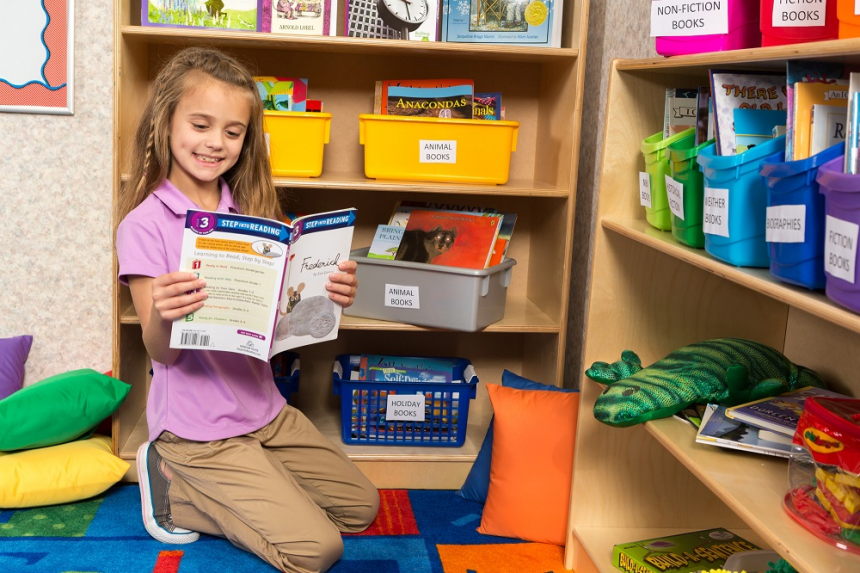
Back to school season brings a lot of things to think about: new supplies, new schedules, new teachers, and new routines. Reading often gets lost in the shuffle, which is a shame because the start of a new school year is actually one of the best opportunities of the year to reset your child’s reading habits, set fresh goals, and make sure home and school are working together. These back to school reading tips will help you do exactly that, whether your child is starting kindergarten or heading into fifth grade.
This guide covers everything from resetting your reading routine after summer, to choosing books at the right level for the new grade, to knowing exactly how to talk to your child’s new teacher if you have concerns about their reading. Think of it as your reading playbook for the school year ahead. These back to school reading tips are designed to help you build a routine that feels realistic, supportive, and sustainable throughout the entire school year.
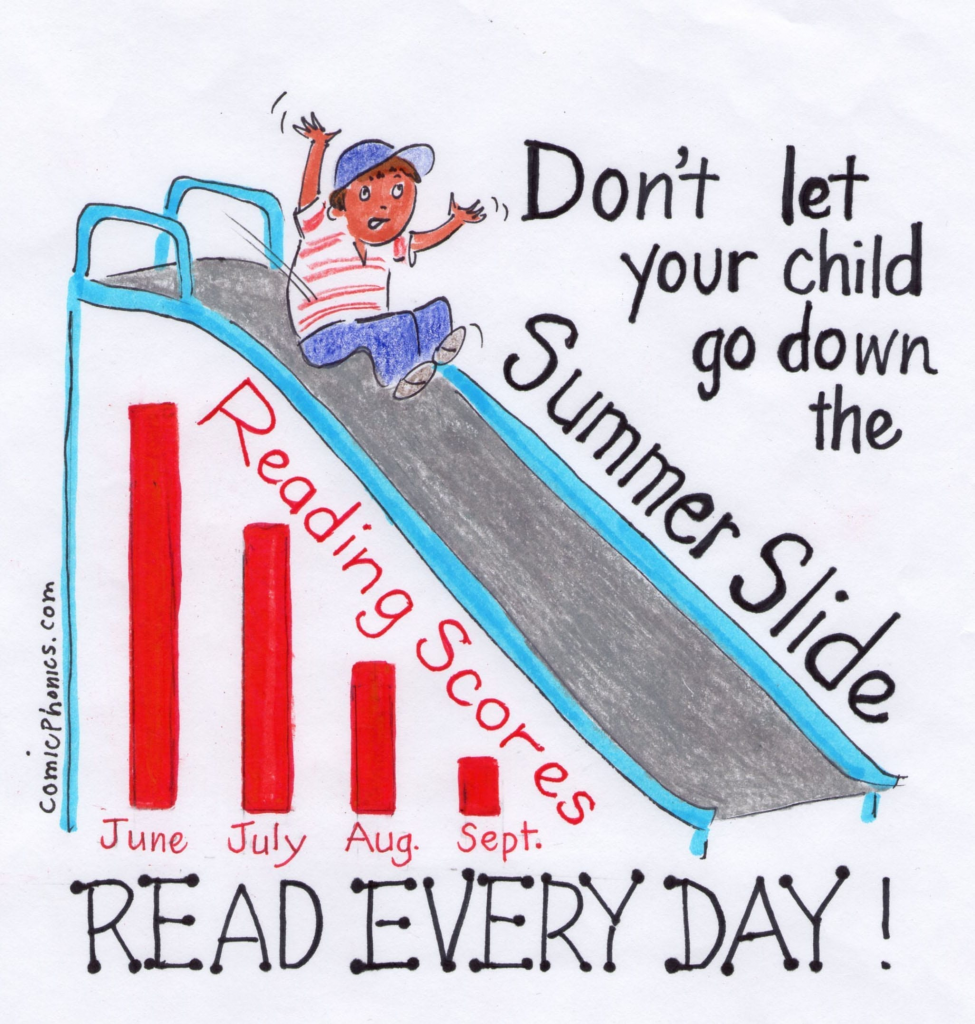
What Is the Summer Reading Slide and Should You Worry?
The summer reading slide, sometimes called summer learning loss, refers to the dip in reading skills that many children experience over the summer months when they’re not in school and not reading regularly. Research suggests that on average, children lose about one to three months of reading progress over summer if they don’t read at all during that time.
The good news is that the slide is not inevitable, and it’s also not permanent. Children who read even a little during summer maintain their skills far better than those who don’t read at all. And children who did slip a little over summer typically recover within the first few weeks of school once reading instruction resumes.
So should you worry? Not excessively. But if your child spent most of the summer away from books, it’s worth being intentional about easing them back into reading before school starts rather than waiting for the first day and expecting everything to click back into place immediately. A week or two of light, enjoyable reading before school begins makes the transition noticeably smoother.
How to Reset Your Reading Routine After Summer
Summer routines are looser by design, and that’s a good thing. But when school starts back up, having a reliable daily reading routine in place from day one sets the tone for the whole year. Here’s how to reset effectively without making it feel like a punishment.
Start Before School Begins
Don’t wait until the first day of school to reintroduce a reading habit. Start one to two weeks before school begins by building in a short reading window each day, even just ten minutes at a consistent time. This gets the reading muscle warmed up again and means your child isn’t trying to adjust to a new school, new teacher, new schedule, and a new reading routine all at the same time.
Anchor Reading to the School Schedule
Once school starts, the easiest way to make reading stick is to attach it to something that already happens every day as part of the school routine. After the school bag is unpacked is a natural trigger. So is after dinner, or the twenty minutes before bed once screens are off. Pick one slot that fits your family’s schedule and protect it consistently from the first week of school. Habits formed in the first few weeks of a new school year tend to last.
Start With Books Your Child Already Loves
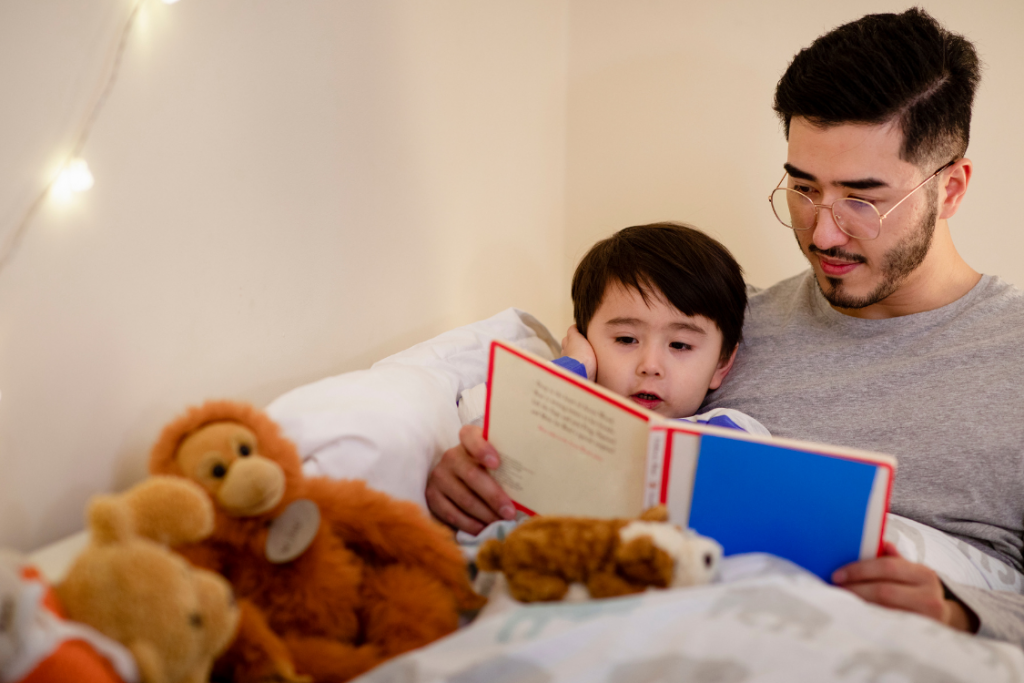
When resetting after summer, resist the urge to immediately introduce new or more challenging books. Start the routine with something your child already knows they enjoy, a favorite series, a familiar author, or a book they’ve been wanting to reread. Comfort reading is a legitimate and effective way to ease back into a habit. Once the routine feels natural again, introducing new and slightly more challenging material becomes much easier.
Keep It Short at First
Even if your child was reading for thirty minutes a night before summer, don’t expect to jump straight back to that. Start with ten to fifteen minutes and build back up gradually over the first few weeks of school. Children are already expending enormous cognitive energy adjusting to new school environments, new teachers, and new social dynamics. Keeping reading time short and enjoyable in September is a smart investment in the months ahead.
👉 Related reading: How to Build a Reading Routine for Kids That Actually Sticks
Setting Reading Goals for the New School Year
The start of a new school year is a natural moment to set intentions, and reading goals are a great way to give your child something concrete to work toward. The key is making goals specific, achievable, and child-led as much as possible.
Make Goals About Habits Not Outcomes
The most effective reading goals for children focus on the habit rather than the result. “Read for fifteen minutes every night” is a better goal than “read ten books this year” because it’s something your child can succeed at every single day regardless of how quickly they read or how long each book takes. Outcome goals like book counts can inadvertently push children toward shorter, easier books just to hit a number, which isn’t what you want.
Let Your Child Set Their Own Goals
Sit down together at the start of the school year and ask your child what they’d like to do with reading this year. Do they want to try a new genre? Finally finish a series they started? Read a book that feels a bit harder than usual? Children who have ownership over their reading goals are far more motivated to follow through than those who are handed goals by a parent or teacher. Your job is to support and facilitate, not to set the agenda.
Write Goals Down and Check In Monthly
Writing a goal down makes it real. Put it somewhere visible, on the fridge, inside a reading journal, or on a sticky note by the bed. Then check in briefly once a month, not to evaluate or judge, but to celebrate progress and adjust if needed. A goal that made sense in September might need tweaking by November, and that’s completely fine. The conversation itself is valuable regardless of whether the original goal was met.
Choosing Books at the Right Level for the New Grade
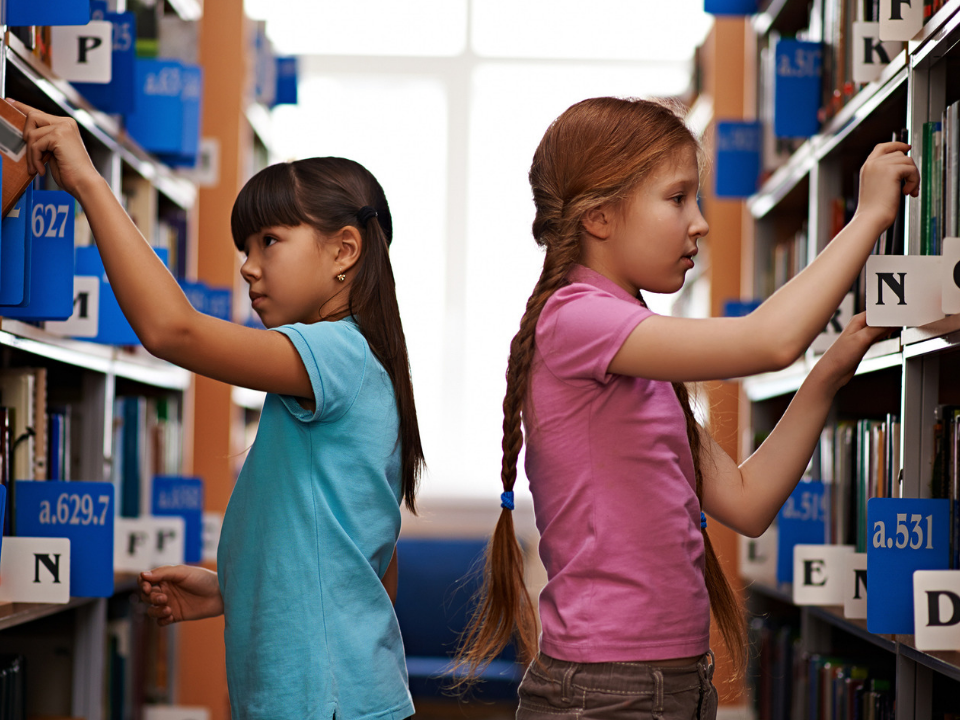
One of the most practical back to school reading tips is making sure the books on your child’s shelf are actually appropriate for where they are right now, not where they were at the end of last year. Children grow and develop over summer even without formal instruction, so it’s worth reassessing reading level at the start of each new school year.
Use the Five Finger Rule to Check Level
Have your child open a new book to a random page and read it aloud. Hold up a finger for every word they don’t know or can’t decode. Zero to one fingers means the book may be too easy for independent reading but is great for building fluency and confidence. Two to three fingers is the sweet spot for independent reading. Four or five fingers means the book is probably best saved for a shared read-aloud rather than solo reading time.
Ask the Teacher About Grade Level Expectations
At the start of each school year, it’s worth asking your child’s new teacher what reading level they’re expected to reach by the end of the year, and roughly where they should be starting. This gives you a benchmark for choosing home reading books and helps you spot early on if there’s a gap that needs attention. Most teachers are happy to share this information and may even have book recommendations at the right level.
Mix Independent and Stretch Reading
Aim to have two kinds of books available at home at all times. One at your child’s comfortable independent reading level, which they can read on their own with ease, and one slightly above their level that you read aloud together. The independent book builds fluency and confidence. The read-aloud book stretches vocabulary and comprehension. Both are important and serve different purposes in your child’s reading development. These back to school reading tips can make choosing books feel much less overwhelming because they focus on finding the right balance between confidence and challenge.
👉 Related reading: How to Tell If a Book Is the Right Reading Level for Your Child
How to Sync Home Reading With What Happens in the Classroom
One of the most underrated back to school reading tips is making sure what you’re doing at home actually connects to what your child’s school is doing. When home and school reading practices are aligned, children make faster progress than when they’re getting different messages or working on completely different things in each setting.
- Find out which sight word list the school uses. If your child’s school uses the Dolch or Fry word lists, ask which level they’re starting at this year and make sure your home practice targets the same words. Consistent exposure across both settings accelerates memorization significantly.
- Ask about the school’s reading program. Many schools use specific reading programs or approaches like structured literacy, guided reading, or balanced literacy. Knowing what approach your child’s teacher uses helps you choose home activities that complement rather than conflict with classroom instruction.
- Keep an eye on what comes home. Reading logs, book bags, and decodable readers that come home from school are there for a reason. Making time to engage with school reading materials, even briefly, sends your child the message that school reading matters at home too.
- Share observations with the teacher. If you notice your child struggling with something specific at home, tell the teacher. And if the teacher mentions something they’re working on in class, ask how you can reinforce it at home. That two-way communication is one of the most powerful things you can do for your child’s reading progress.
How to Talk to Your Child’s New Teacher About Reading
The relationship between a parent and a child’s teacher is one of the most important factors in a child’s school success, and reading is one of the most valuable things to discuss early in the year. Many parents feel unsure about when and how to bring up reading concerns with a new teacher. Here’s how to approach it well.
Don’t Wait for Parent-Teacher Conferences
Parent-teacher conferences typically happen in October or November in most schools. That’s a long time to wait if you have concerns about your child’s reading. Most teachers are very open to a brief email or a quick chat at pickup in the first few weeks of school. You don’t need a formal meeting to introduce yourself and share a bit of context about your child’s reading history. A short, friendly message in September can open a communication channel that makes the whole year easier.

Come With Specific Observations, Not Just Worries
Teachers respond much more effectively to specific, concrete observations than to general concerns. Instead of saying “I’m worried about her reading,” try something like “She reads fluently but really struggles to tell me what happened after she finishes a chapter” or “He avoids reading aloud at home and gets very frustrated when he makes a mistake.” Specific observations give the teacher something actionable to look for and respond to in the classroom.
Ask Questions Rather Than Making Demands
The most productive teacher conversations start with curiosity rather than conclusions. Questions like “What are you noticing about her reading so far?” and “Is there anything I can do at home to support what you’re working on in class?” open a collaborative conversation. Coming in with demands or assumptions about what the teacher should be doing tends to put people on the defensive and makes ongoing communication harder.
Share Your Child’s Reading History
A new teacher starts the year knowing very little about your child’s individual reading journey. Sharing relevant background, such as whether your child had reading support last year, what approaches have worked well, what they find particularly challenging, or whether there’s a history of reading difficulties in the family, helps the teacher understand your child faster and tailor their approach accordingly. You know your child better than anyone, and that knowledge is genuinely useful to a new teacher.
What to Say If You Have Reading Concerns
If you’re heading into the new school year with specific concerns about your child’s reading, it’s important to raise them early rather than hoping things will improve on their own. Here are some practical scripts for common situations:
If Your Child Struggled Last Year
“I wanted to let you know that reading was a real challenge for [child’s name] last year. They had particular difficulty with [specific area, such as phonics, fluency, or comprehension]. I’d love to stay in close contact this year so we can catch any issues early. Is there anything you’d like me to do at home to support what you’re working on?”
If You Suspect a Learning Difference
“I’ve noticed some things at home that make me wonder whether [child’s name] might need some additional support with reading. Things like [specific observations]. I’d really value your perspective once you’ve had a chance to get to know them in class. Is there a good time in the first few weeks to check in about this?”
If Your Child Is a Strong Reader Who Needs More Challenge
“[Child’s name] is a really enthusiastic reader and tends to get through books quickly. I want to make sure they’re being stretched and challenged rather than just coasting on what’s comfortable. Are there ways we can work together to keep pushing their reading forward this year?”
Back to School Reading Tips by Grade
These back to school reading tips by grade level are designed to help parents understand what reading support looks like at different stages of elementary school.
Kindergarten
Kindergarten is where the reading journey officially begins for most children. The most important back to school reading tip at this stage is simply to make books a warm, happy part of daily life. Read aloud together every night, point to words on the page as you read, and let your child see that reading is something the adults in their life genuinely enjoy. Formal phonics instruction will happen at school. Your job at home is to build the love of stories and books that makes everything else easier.
First Grade
First grade is a huge year for reading development. Most children move from learning to decode individual words to beginning to read simple books independently. At home, support this by practicing sight words for five to ten minutes daily, reading aloud together regularly, and keeping a stack of easy reader books that your child can tackle on their own with growing confidence. Ask the teacher which sight word list they’re using and make sure your home practice matches.
Second Grade
By second grade, most children are reading independently and the focus shifts from decoding to fluency and comprehension. Back to school reading tips for this grade center on building reading stamina, which means gradually increasing the amount of time your child can read independently in one sitting. Start with ten to fifteen minutes and work toward twenty to thirty over the course of the year. Introduce early chapter book series that give your child a reason to keep coming back every night.

Third Grade
Third grade is often called the year children shift from “learning to read” to “reading to learn.” This transition can be challenging for children whose fluency isn’t fully established yet, because suddenly reading is the vehicle for learning every other subject. If your child is heading into third grade with fluency concerns, this is the year to address them proactively rather than wait. Talk to the teacher early and be specific about what you’re seeing at home.
Fourth and Fifth Grade
By upper elementary, most children are reading independently for extended periods. The back to school focus at this stage is less about mechanics and more about breadth and depth. Encourage your child to read across different genres, including non-fiction, biography, historical fiction, and science. Talk about what they’re reading at the dinner table. Children who discuss books with engaged adults develop stronger comprehension and critical thinking than those who read in isolation.
👉 Related reading: Reading Milestones by Age: Is Your Child on Track?
Free Tools to Support Reading This School Year
These free tools are particularly useful for supporting reading at home during the school year, each one serving a different purpose in your child’s overall literacy development:
- Epic!: A vast digital library where children can choose from thousands of books across every topic, genre, and reading level. Great for independent reading time at home and for keeping reading fresh and interest-driven throughout the year.
- Starfall: A structured phonics and early reading program that works well alongside school instruction for kindergarten and first grade readers who are building their decoding foundation.
- Endless Reader: An animated sight word app that makes high-frequency word practice genuinely fun. Pairs well with whatever sight word list your child’s school is using this year.
- Reading Rockets: Research-based resources for parents on every aspect of early literacy. Particularly useful if you want to understand more about what your child’s teacher is doing and why, or if you’re looking for evidence-based strategies to use at home.
- Storyline Online: Celebrity read-alouds that are perfect for evenings when you want to share a story together but everyone’s a little too tired for active reading. A wonderful way to maintain the read-aloud habit even on busy school nights.
👉 Related reading: Top 10 Free Reading Tools for Kids
Final Thoughts
Back to school season is genuinely one of the best moments of the year to invest in your child’s reading. The fresh start energy is real, children are often more open to new routines in September than at any other time of year, and the habits you establish in the first few weeks of school tend to carry through the whole year.
You don’t need to do everything on this list. Pick the two or three back to school reading tips that feel most relevant to where your child is right now and focus on those. Reset the reading routine, have one good conversation with the new teacher, and make sure there are books in your home that your child actually wants to read. Those three things alone will set your child up for a stronger reading year than most families manage.
The rest will follow.
The best back to school reading tips are the ones that fit naturally into your family’s routine and help your child see reading as something enjoyable rather than another task to complete.
👉 Related reading: Why Does My Child Hate Reading? Real Reasons and How to Fix It
👉 Related reading: Best Books for Beginning Readers
FAQ: Back to School Reading Tips
How do I get my child back into reading after summer?
Start one to two weeks before school begins with short, low-pressure reading sessions using books your child already loves. Attach reading to an existing part of the daily routine, like after dinner or before bed, and keep sessions brief at first. The goal in the first few weeks is to re-establish the habit rather than to cover a lot of ground. Comfort and consistency matter more than ambition in the early days of getting back into a routine.
Should I talk to my child’s new teacher about reading at the start of the year?
Yes, and sooner is better than later. You don’t need to wait for a formal parent-teacher conference. A brief friendly email in the first week or two of school introducing yourself and sharing any relevant context about your child’s reading history is completely appropriate and genuinely useful to a new teacher. Most teachers appreciate parents who communicate proactively rather than waiting until problems become serious.
How much should my child read each night during the school year?
A good general guideline is 15 to 20 minutes of reading per night for most school-age children. Younger children in kindergarten and first grade do well with 10 to 15 minutes, while children in third grade and above can build toward 20 to 30 minutes. Consistency matters far more than duration. A child who reads for 15 minutes every single night will make far more progress than one who reads for an hour on weekends only.
What are good reading goals for kids at the start of the school year?
The best reading goals focus on habits rather than outcomes. “Read for 15 minutes every night” is more effective than “read 20 books this year” because it measures something your child can succeed at daily. Let your child have input into their own goals, whether that’s trying a new genre, finishing a specific series, or reading independently for a longer stretch. Goals your child helped choose are goals they’re much more likely to follow through on.
My child lost reading progress over summer. What should I do?
Don’t panic. Some regression over summer is completely normal and most children catch back up within the first few weeks of school once reading instruction resumes. In the meantime, restart your home reading routine with books at a slightly easier level than where your child ended the school year, and give them time to rebuild confidence before pushing toward harder material. If the regression seems significant or doesn’t resolve within the first month of school, mention it to the teacher so they can keep an eye on things in the classroom too.
How do I know if my child is reading at the right level for their grade?
The five finger rule is a quick and reliable check. Have your child read a page from a new book aloud and hold up a finger for each word they don’t know. Two to three unknown words per page is the sweet spot for independent reading. You can also ask your child’s teacher at the start of the year what reading level is expected by the end of the grade, which gives you a concrete benchmark to work toward at home.



Appreciate the depth in this piece. For The Choicer Voicer and voice challenges, see The Choicer Voicer at . The Choicer Voicer
Really helpful post. If you make music online, check out Happy Shrimp at /. Happy Shrimp