
Folktales and fairy stories have been loved by children for centuries. From magical fairy tales to wisdom-filled folktales passed down through generations, these stories play an important role in helping kids understand the world, develop empathy, and build early literacy skills.
For parents and teachers, folktales & fairy stories are especially valuable because they work across ages, cultures, and learning settings. Whether you’re planning a classroom read-aloud, choosing bedtime stories, or looking for meaningful movies to watch together, this guide will help you find age-appropriate options for kids ages 3–12.
We’ll begin with high-quality folktales and fairy stories featured on Epic, then expand into other excellent English-language books, videos, animations, and movies families and educators love.
Why Folktales and Fairy Stories Matter for Children
Folktales and fairy stories aren’t just fanciful entertainment – they actually contribute to children’s growth in many ways.
Cultural Awareness:
Traditional tales give kids a window into other cultures and traditions, broadening their understanding of the world. A simple story about a clever rabbit or a generous child can reflect the values and customs of the culture it comes from.By hearing folktales from different countries, children learn that while the characters and settings may differ, people everywhere share common themes and morals. This builds appreciation for diversity early on. For example, a class might hear the Ghanaian tale of Anansi the spider or the Chinese story of Lon Po Po (a Red Riding Hood variant), and each offers a peek into those cultures’ storytelling traditions.
Moral Lessons and Values:
Most folktales come packaged with clear moral lessons or themes of right and wrong. They teach virtues like honesty, kindness, hard work, and bravery in a way children can understand. Because the stakes in fairy stories are often high – the wolf might eat the pig who builds a flimsy house – children see consequences play out clearly. A classic fable like The Tortoise and the Hare demonstrates perseverance (“slow and steady wins the race”), while The Three Little Pigs emphasizes the value of planning and effort in a fun, memorable way. These lessons stick with kids and give parents and teachers gentle prompts to talk about behavior and choices in real life.
Language & Literacy Skills:
Storytelling is a fantastic tool for building literacy. Listening to or reading folktales exposes children to rich language, new vocabulary, and the rhythms of narrative sentences. Many folktales use repetition (think “I’ll huff and I’ll puff…”) which helps young readers anticipate and participate in the story. For emerging readers, folktale picture books provide engaging context that makes new words easier to learn. And for older kids, comparing different versions of a fairy tale can sharpen comprehension skills and critical thinking. Educators note that storytelling “is highly engaging” and acts as an “incredible language booster,” introducing children to new words and story structures in an enjoyable way.
Folktales & Fairy Stories list(Ages 3–12)
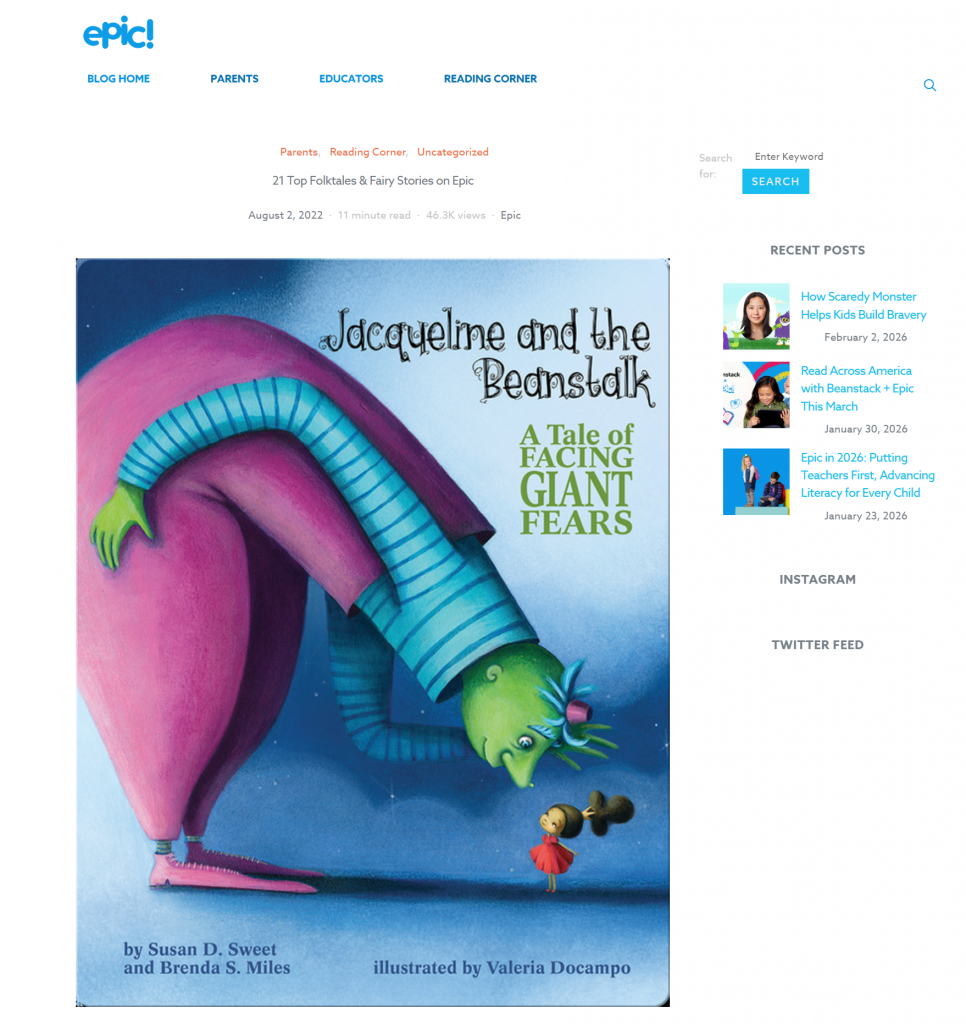
Epic offers a thoughtfully curated collection of folktales and fairy stories from around the world. Many titles are available as read-aloud books, audiobooks, and animated stories, making them especially useful for both classrooms and home learning.
Based on Epic’s official guide to folktales and fairy stories, here’s how these stories support different age groups:
Ages 3–5: Gentle Folktales for Early Learners
For preschool and early kindergarten children, folktales on Epic focus on:
- Simple plots and repetitive language
- Clear characters and emotions
- Short, engaging read-aloud formats
These stories help young children practice listening skills while introducing classic storytelling patterns in a calm, accessible way.
Ages 6–8: Classic Fairy Stories with Deeper Meaning
As children become more confident readers, fairy stories on Epic begin to include:
- Problem-solving and cause-and-effect
- Familiar fairy-tale structures with creative twists
- Opportunities for discussion and reflection
These folktales work well for independent reading as well as guided classroom conversations.
Ages 9–12: Folktales That Encourage Critical Thinking
For upper elementary students, Epic’s folktales often explore:
- Cultural traditions from around the world
- Moral dilemmas and character growth
- Longer narratives with richer language
Teachers frequently use these stories for cultural studies, writing prompts, and group discussion.
More Folktales & Fairy Stories for Kids
Ages 3-6 Books
Tikki Tikki Tembo — Arlene Mosel
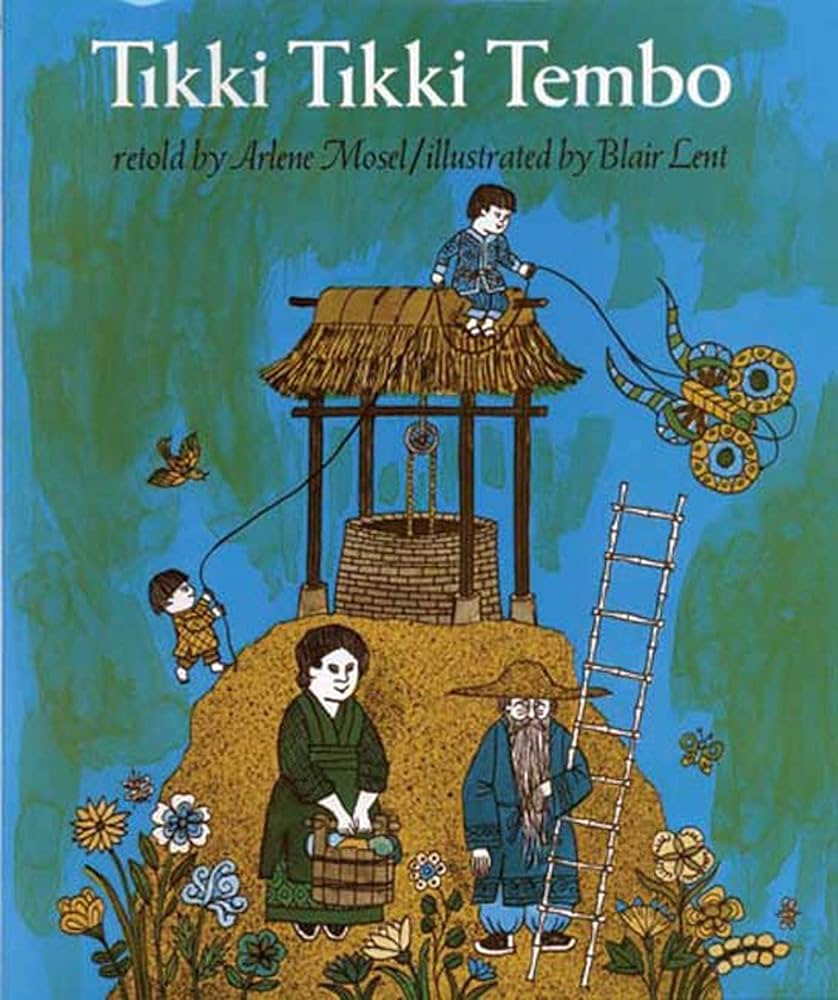
A rhythmic folktale inspired by Chinese storytelling traditions, this classic picture book uses repetition and sound patterns to help young children build listening and early language skills.
The Mitten — Jan Brett
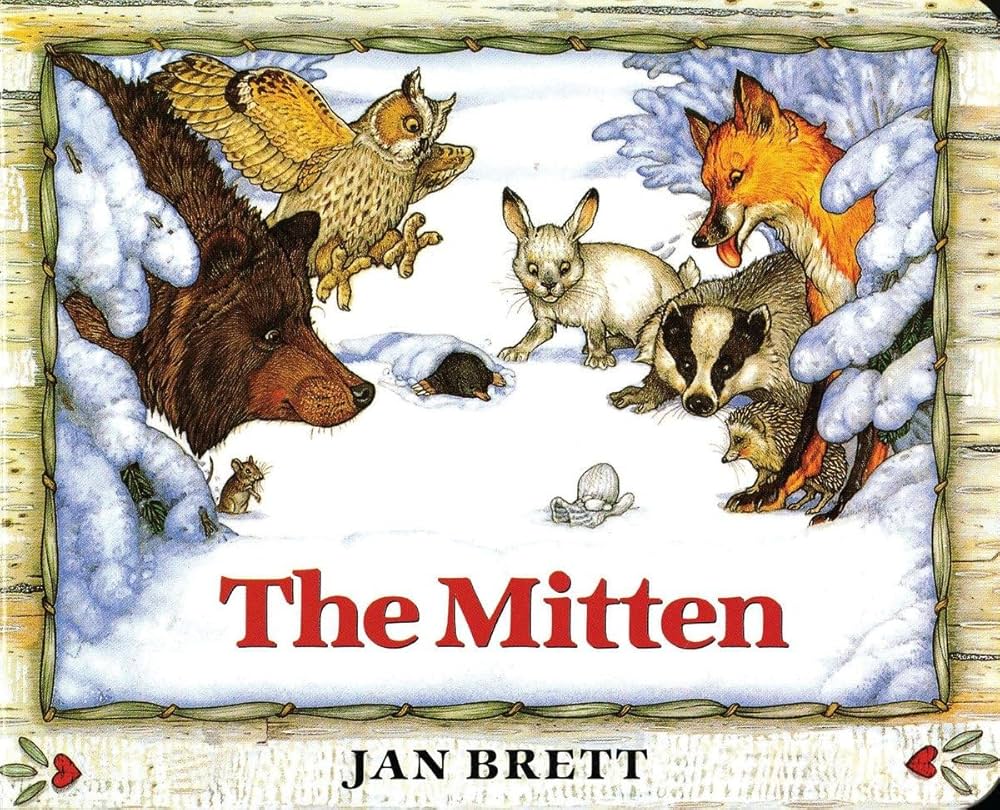
Based on a Ukrainian folktale, this beautifully illustrated story follows a growing group of animals who squeeze into a lost mitten, teaching cooperation and sequence through gentle humor.
The True Story of the Three Little Pigs — Jon Scieszka
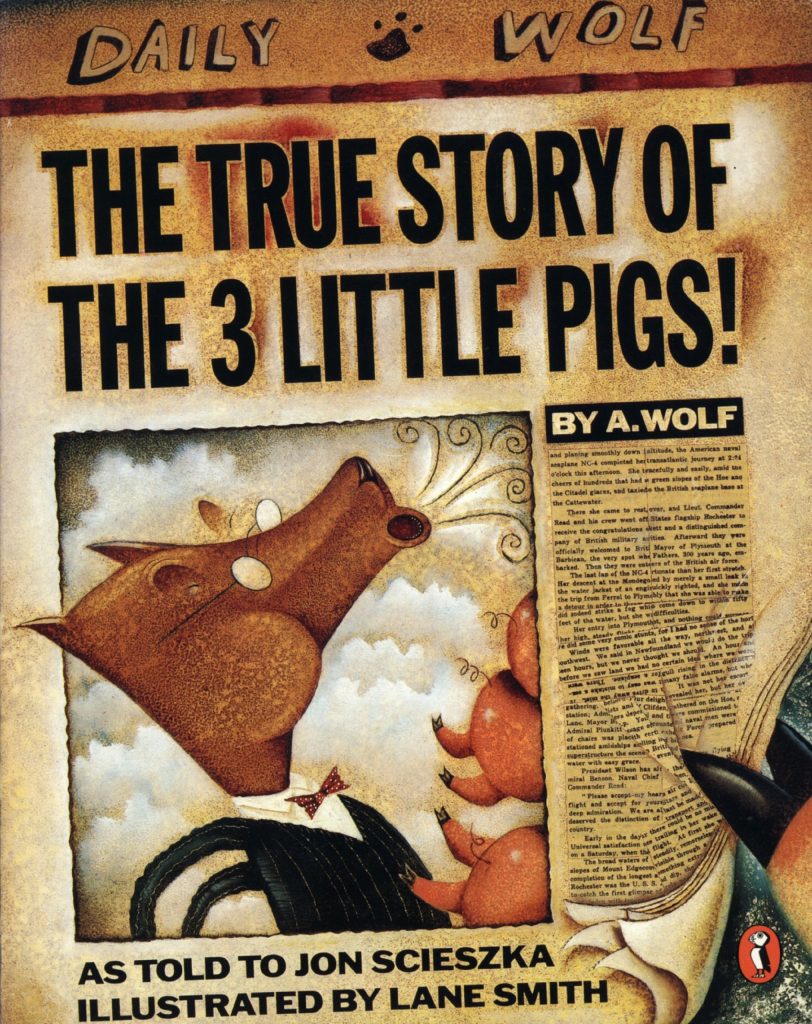
A clever retelling of a famous fairy tale from the wolf’s perspective, encouraging kids to think about point of view and storytelling twists.
Interstellar Cinderella — Deborah Underwood
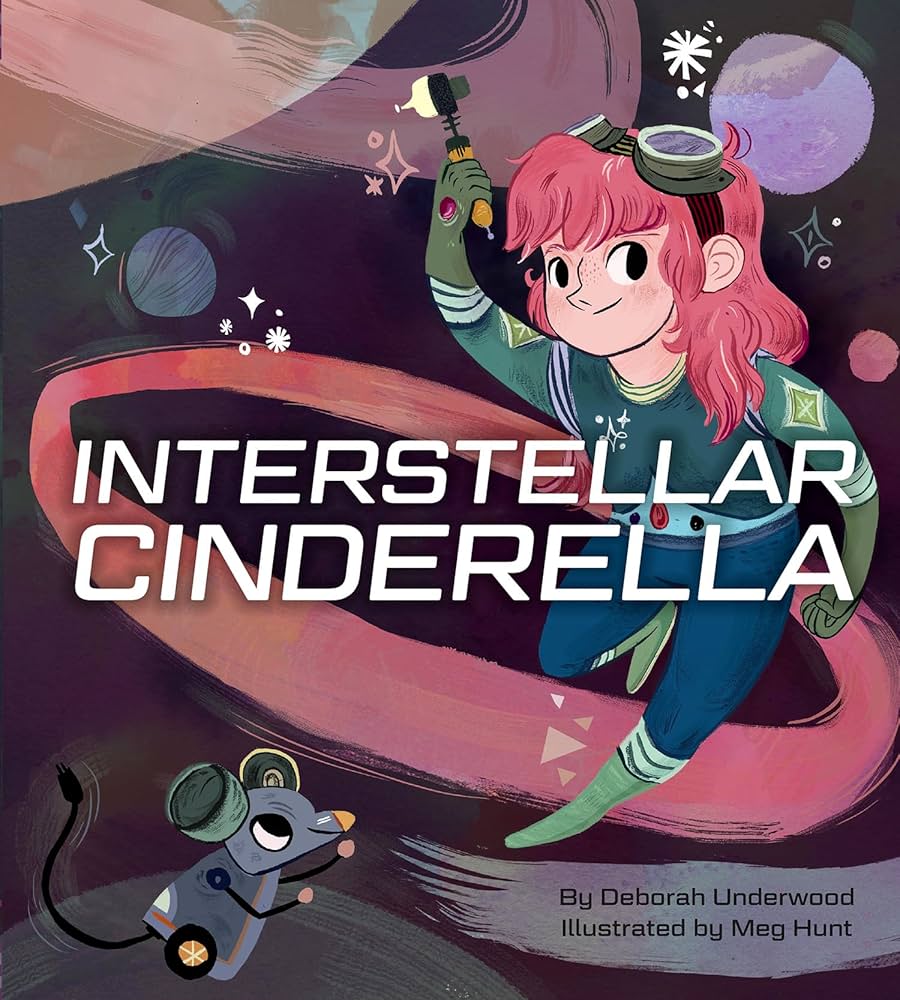
A modern fairy tale that reimagines Cinderella as a space engineer, blending classic structure with creativity and confidence-building themes.
The Paper Bag Princess — Robert Munsch
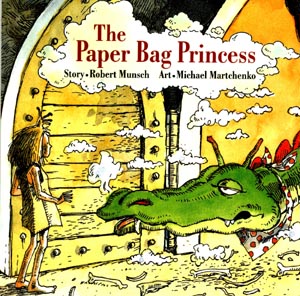
This beloved fairy tale flips traditional gender roles, showing young readers that bravery, independence, and kindness matter more than appearances.
Ages 3-6 Movies
Sesame Street: Abby in Wonderland
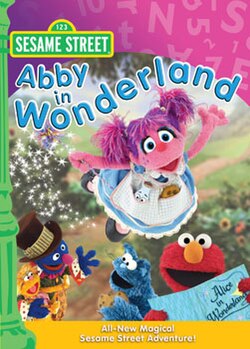
A playful, child-friendly introduction to fairy tales, using familiar Sesame Street characters to gently explore imagination and story structure.
The Swan Princess
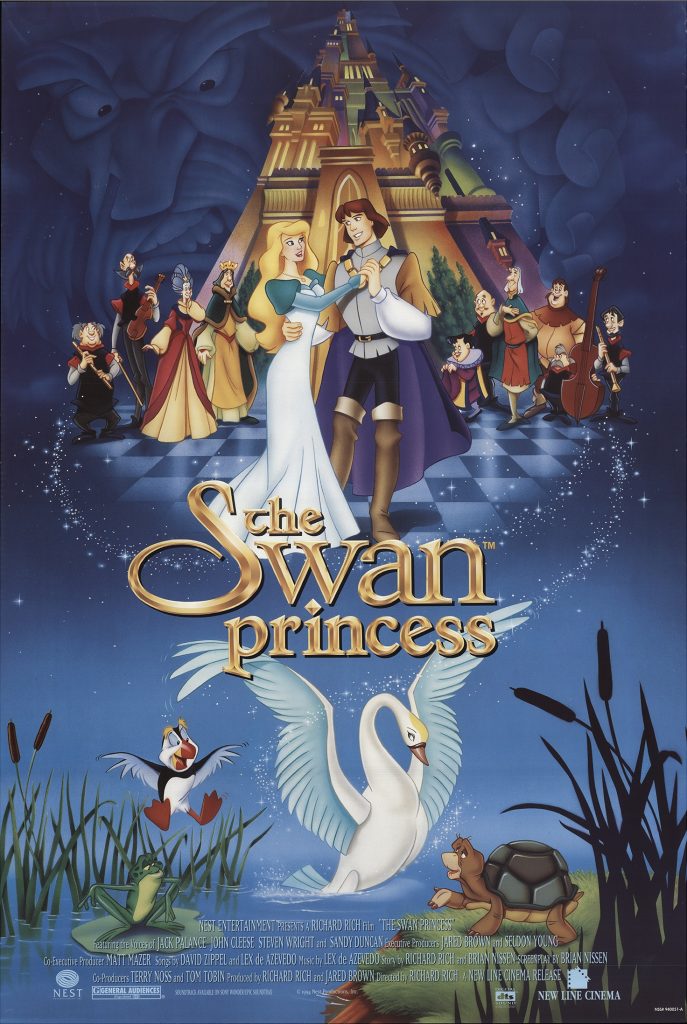
A classic animated fairy tale featuring magic, friendship, and loyalty, ideal for younger children watching longer stories for the first time.
Ages 6-8 Books
Eric Carle’s Treasury of Classic Stories — Eric Carle
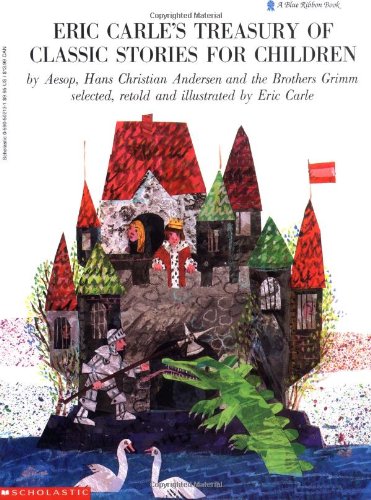
A beautifully illustrated collection of classic folktales and fairy stories, ideal for independent reading and classroom read-alouds.
The Lion Storyteller’s Awesome Book of Stories — Bob Hartman
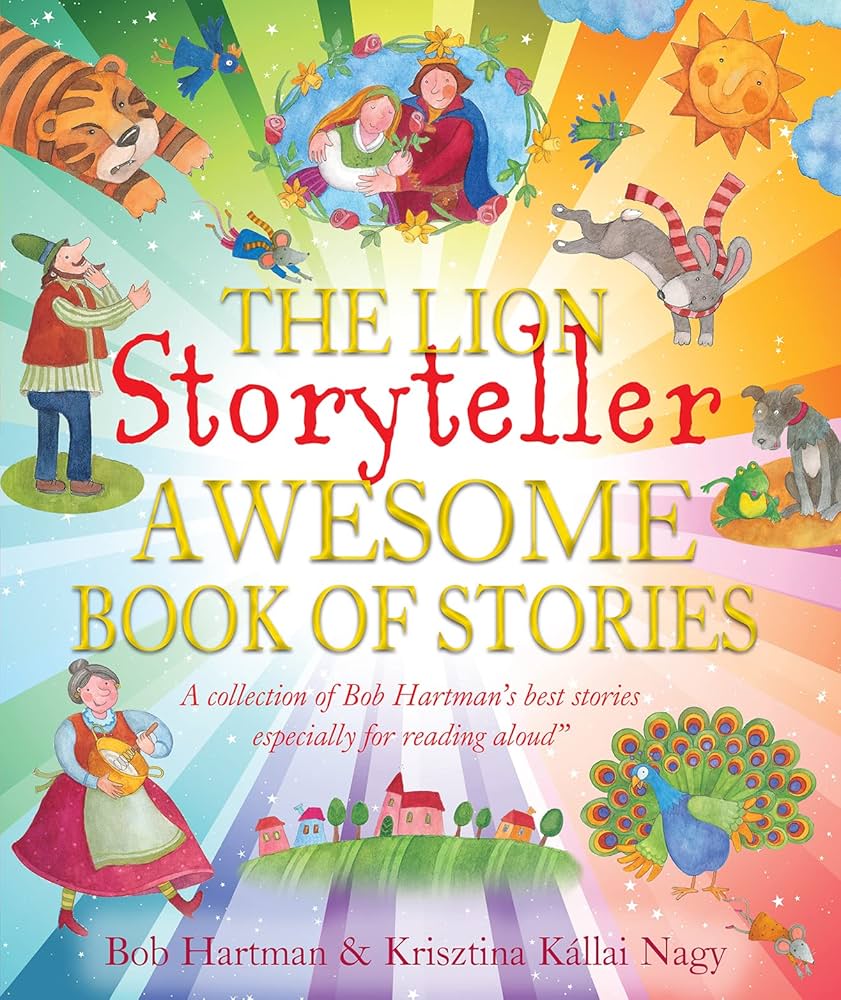
A global folktale collection told through a lively storyteller’s voice, introducing children to stories from many cultures.
Goldy Luck and the Three Pandas — Natasha Yim
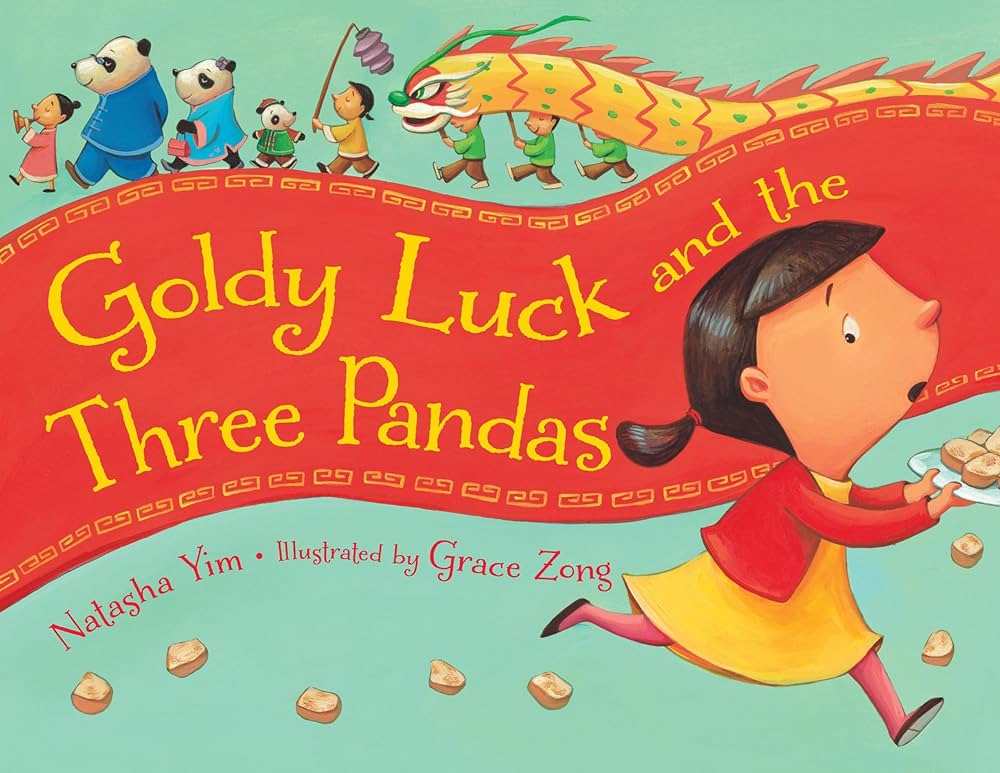
A Chinese American retelling of Goldilocks, combining familiar fairy tale structure with cultural traditions and themes of respect.
Prince & Knight — Daniel Haack
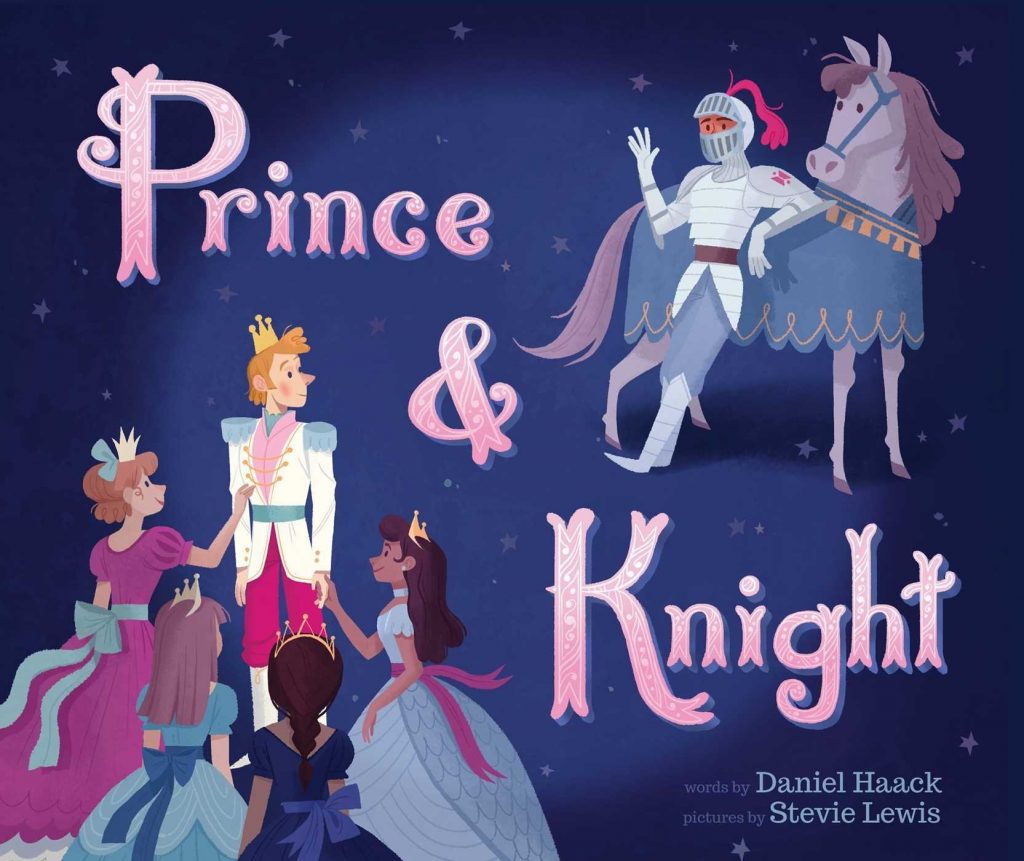
A modern fairy tale that celebrates bravery, teamwork, and love, while expanding representation in classic storytelling formats.
The Rough-Face Girl — Rafe Martin
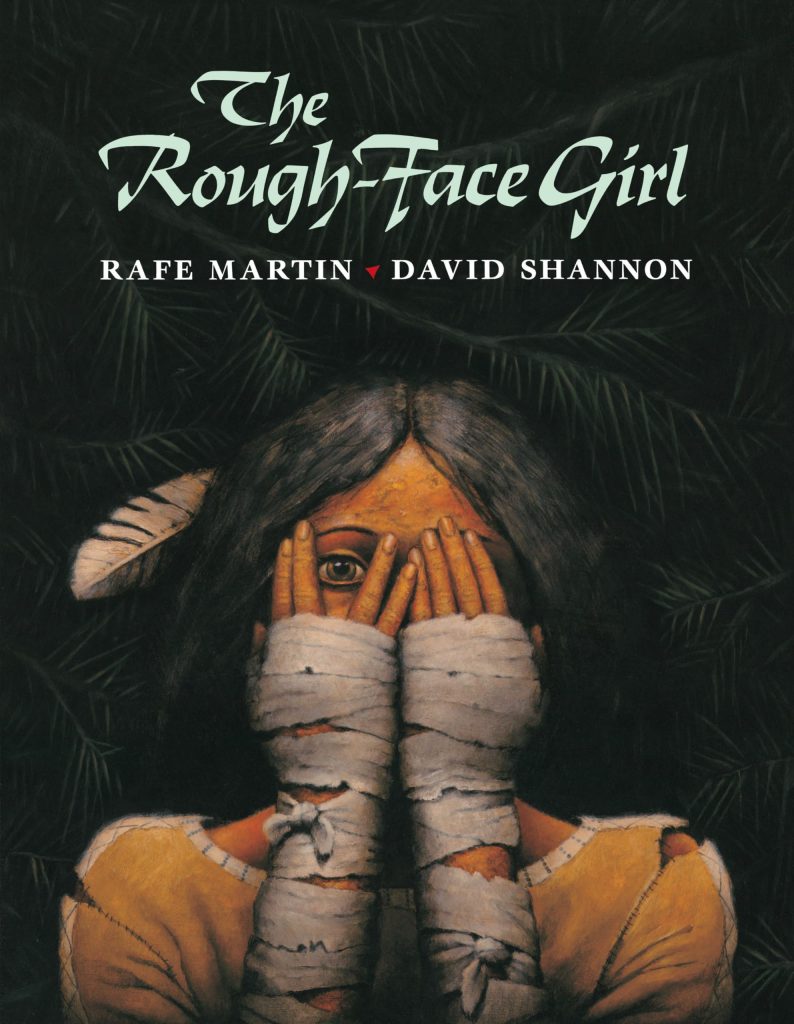
Inspired by an Algonquin folktale, this Cinderella-like story emphasizes inner beauty and cultural heritage.
Ages 6-8 Movies
Beauty and the Beast
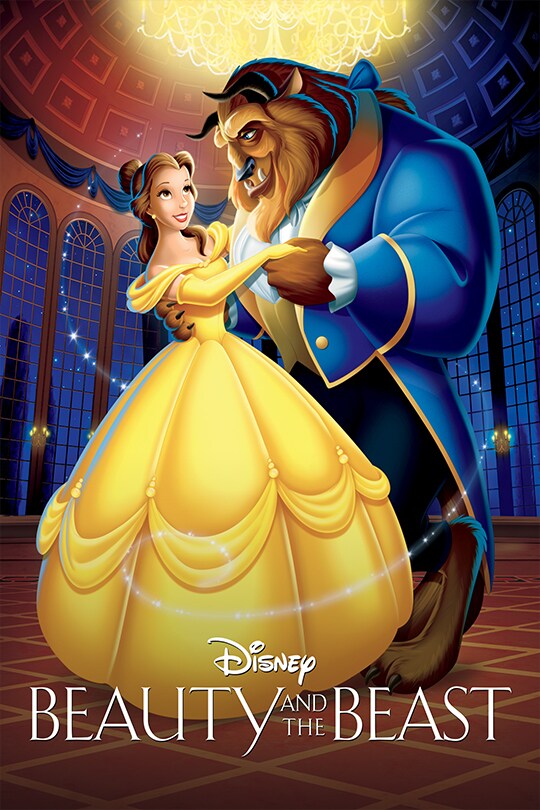
A timeless fairy tale adaptation that highlights empathy, transformation, and the value of kindness over appearances.
Tangled (2010)
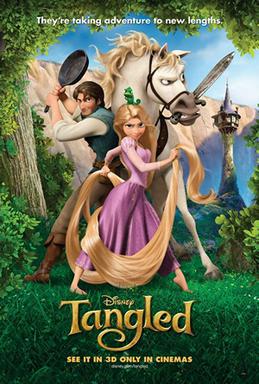
A vibrant reimagining of Rapunzel, blending adventure, humor, and independence in a way that resonates with elementary-aged kids.
Ages 9-12 Books
The Girl Who Speaks Bear — Sophie Anderson
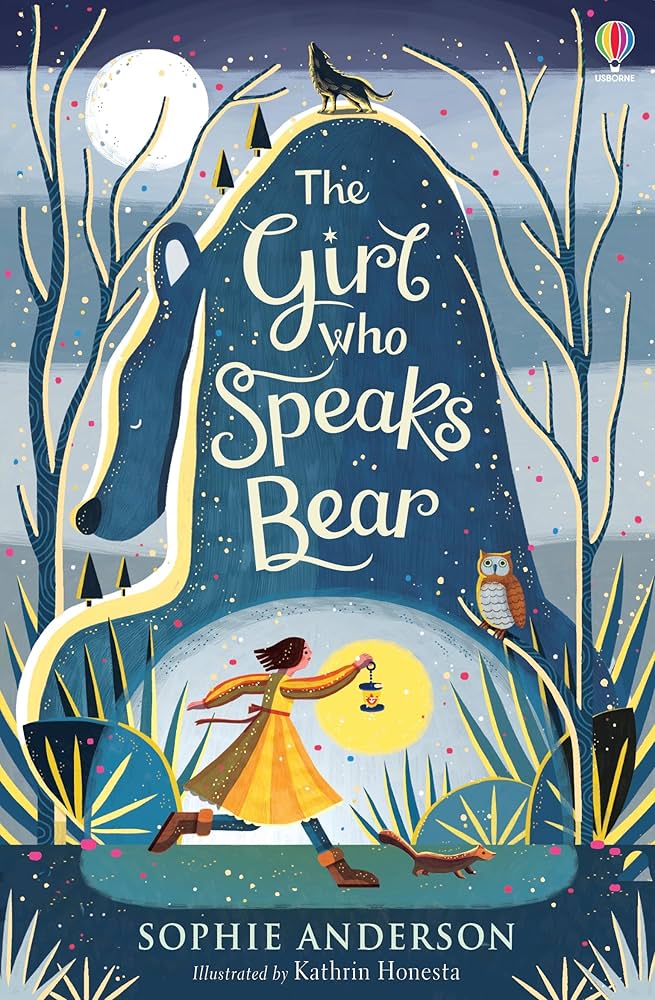
A lyrical middle-grade novel inspired by Eastern European folktales, exploring courage, identity, and storytelling traditions.
The School for Good and Evil — Soman Chainani
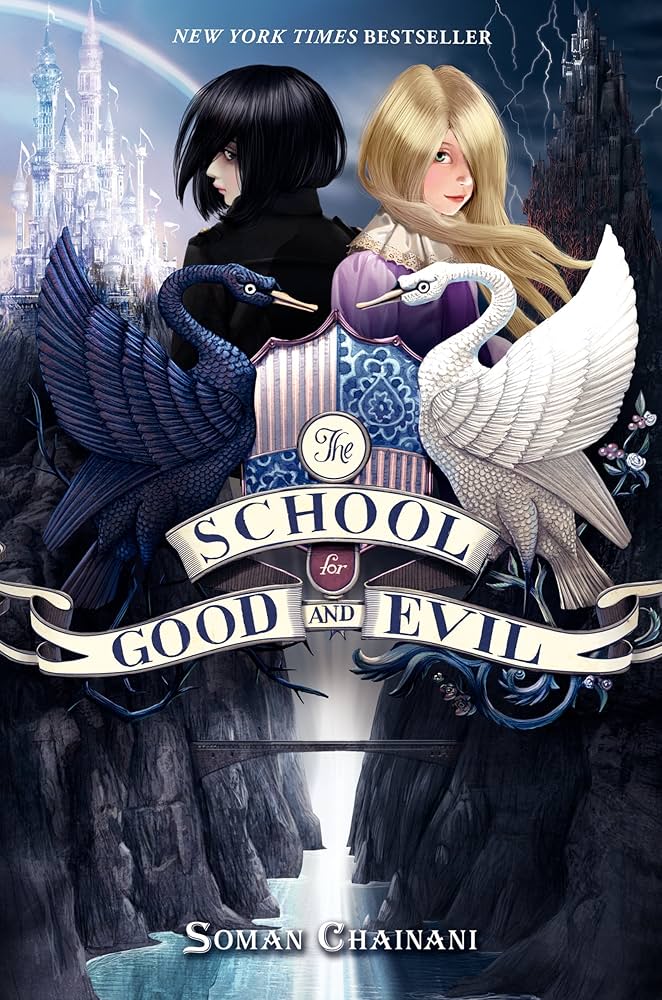
A fantasy series that deconstructs fairy tale tropes, encouraging readers to question heroes, villains, and moral choices.
Five-Minute Stories — Cottage Door Press
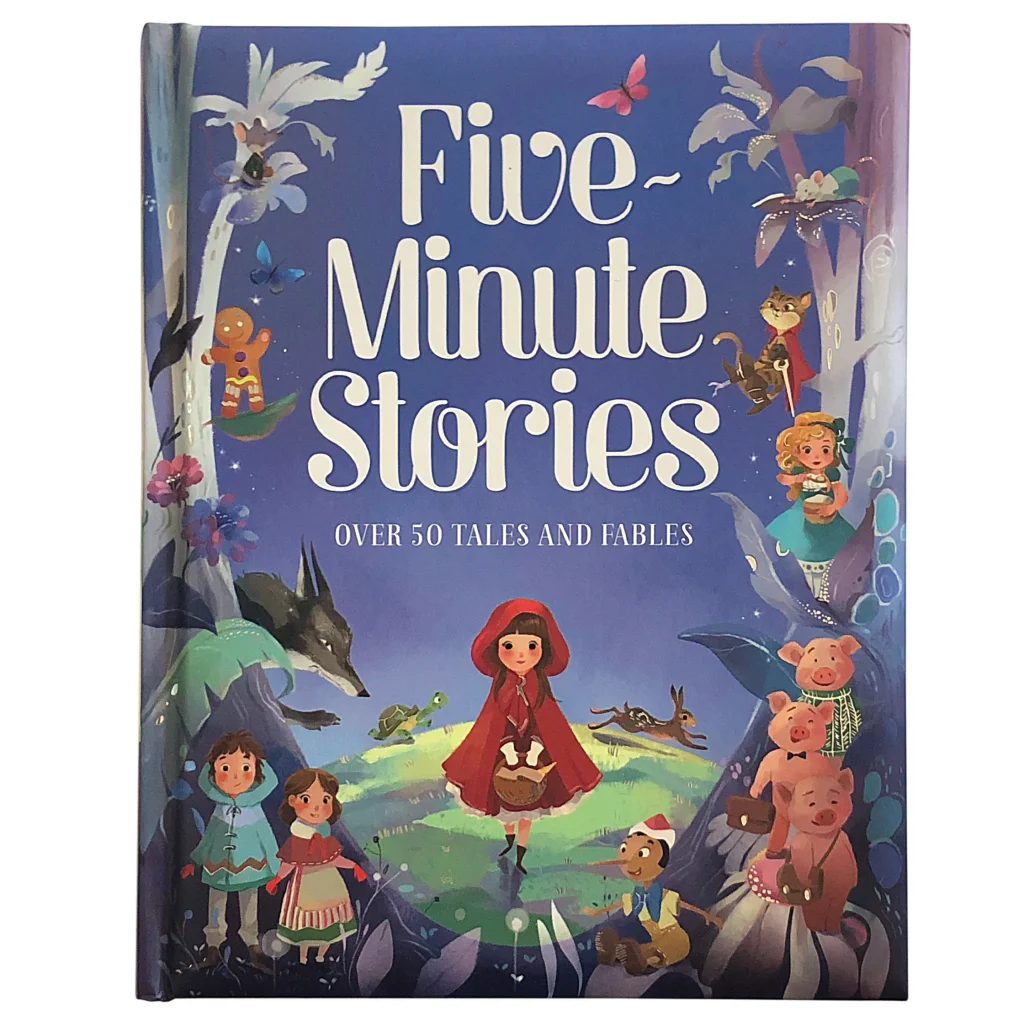
A collection of short fairy tales and folktales designed for quick reading sessions while still delivering classic story elements.
American Tall Tales – Mary Pope Osborne
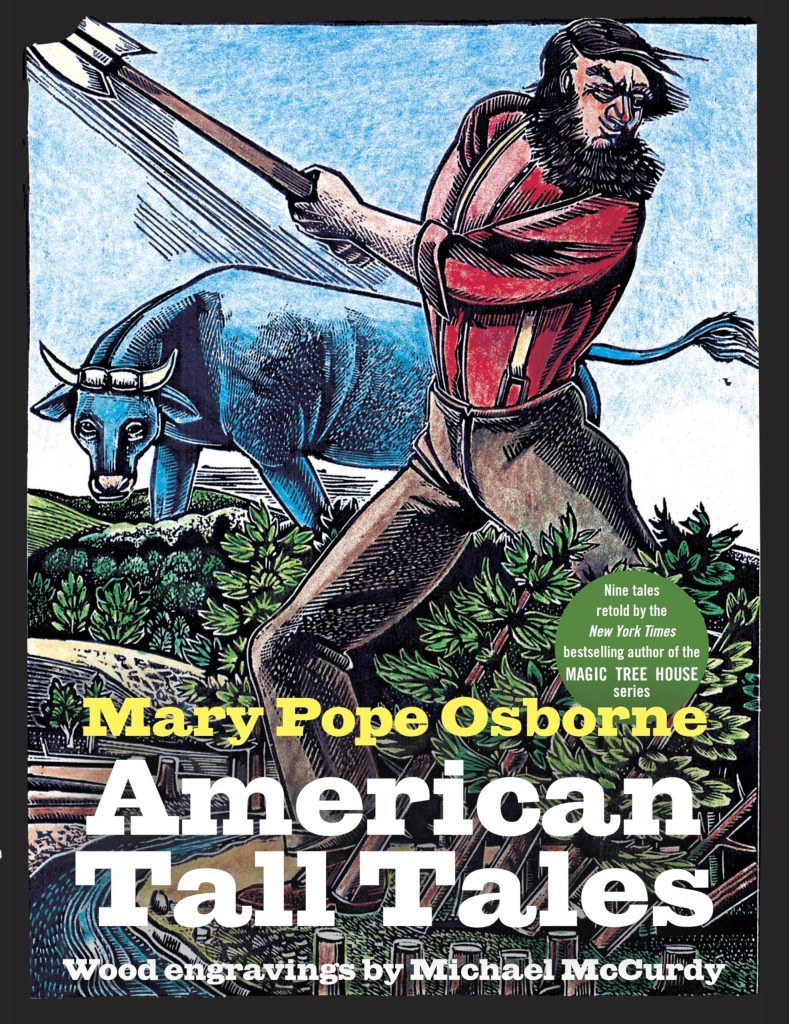
An accessible introduction to classic American folklore characters such as Paul Bunyan and Johnny Appleseed, ideal for linking reading with U.S. history and social studies.
The Inquisitor’s Tale — Adam Gidwitz
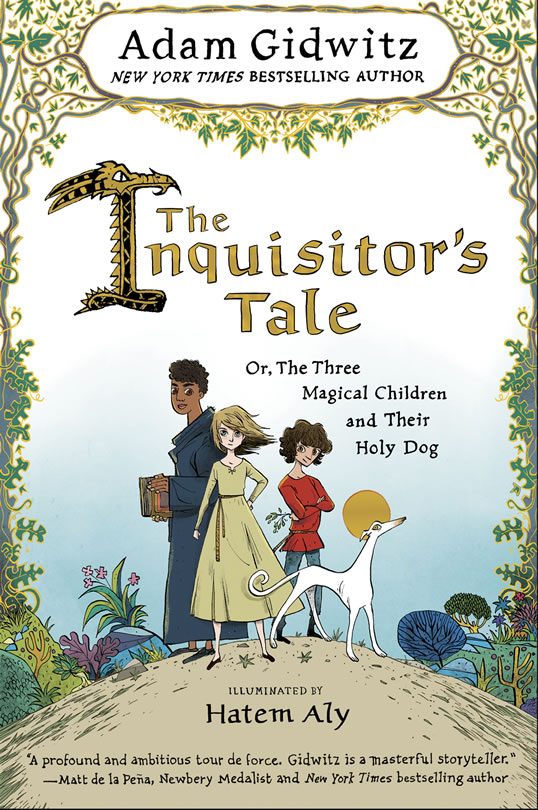
Told through multiple narrators, this medieval-inspired tale weaves folklore, mystery, and moral questions, making it well-suited for advanced readers and classroom analysis.
Ages 9-12 Books
Song of the Sea
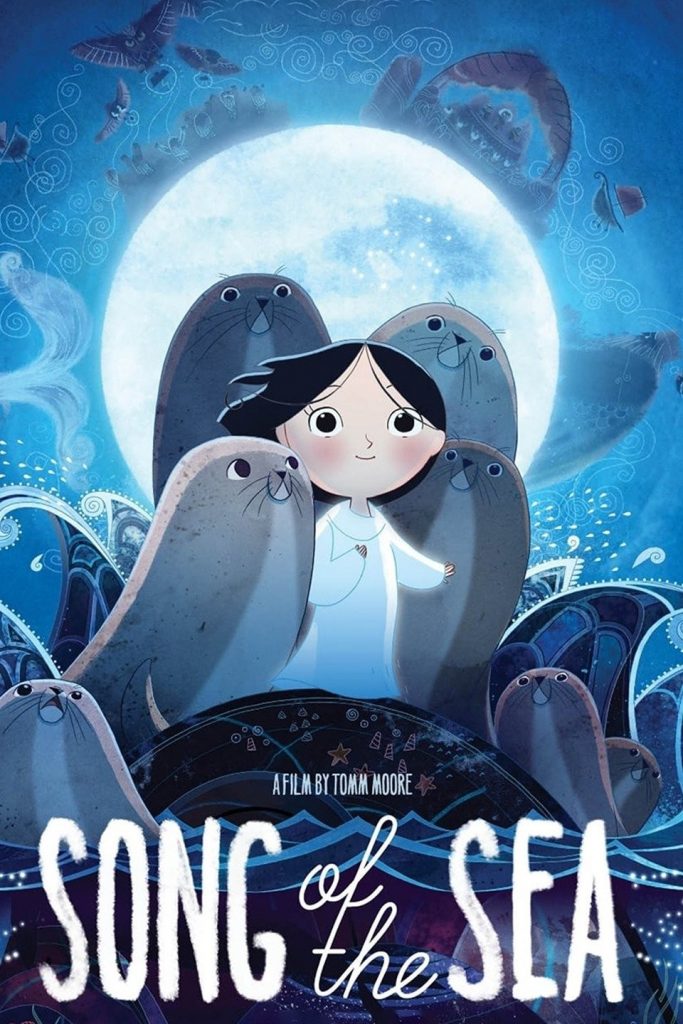
A visually stunning animated film rooted in Celtic folklore, exploring themes of family, loss, and myth through gentle storytelling and evocative art.
Wolfwalkers
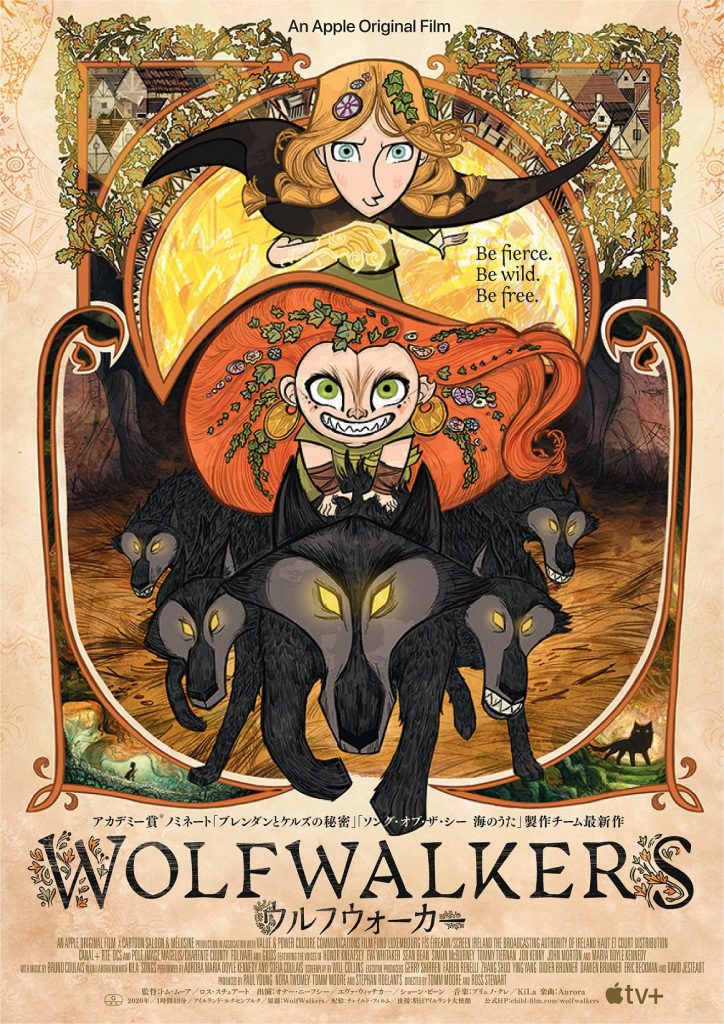
Drawing on Irish folktales and history, this animated film tells a powerful story about freedom, nature, and growing up, ideal for thoughtful viewing and discussion.
Bringing Folktales & Fairy Stories into Learning and Play
In the Classroom:
Literacy Activities:
Folktales are perfect for read-alouds, guided reading, or readers’ theater. You can have students act out a simple tale (using props like paper crowns or puppets) which builds fluency and confidence. For older students, compare different versions of the same story from multiple cultures – it’s a great critical thinking exercise, as students might ask why details change and what that says about each culture. As one educator did, you can even hold a discussion or Socratic seminar on a theme like Cinderella stories around the world, delving into how stories reflect societal values.
Cultural Projects:
If your class is diverse, invite students to share folktales from their heritage. This acknowledges and celebrates their backgrounds. Kids absolutely light up when a story from their culture is included – it’s validating and encourages a sense of pride.
Art and Music Integration:
Many folktales have iconic imagery (think beanstalks, glass slippers, dragons). Have students draw a scene, design a new book cover, or even create a storyboard comic of the tale. Music-wise, you might use classical pieces like Prokofiev’s Peter and the Wolf for a fable, or have kids make simple instruments to accompany a story (drums for a giant’s footsteps, etc.). This makes the story experience multi-sensory.
Critical Thinking and Creativity:
Challenge older kids to write their own fairy tale or to fracture an existing one. What if the story took place today? What if the roles were reversed ? This not only spurs creativity but also helps them internalize story structure and elements. As noted earlier, using fairy tales can also allow teachers to tackle deeper topics like stereotypes or ethics in a safe, hypothetical context. Students might analyze how fairy tales have changed over time, or debate a character’s choices, which hones argumentative skills in a fun way.
At Home:
Bedtime Reading Routine:
Make fairy tales a part of the nightly wind-down. Because many fairy tales have a soothing, formulaic storytelling cadence, they work well before sleep. Plus, they end (usually) on a positive note, which is emotionally settling. As you read, you can discuss the day’s events in “fairy tale language” – for instance, “Tonight you were as brave as the little knight in the story when you tried that new food!” Connecting life to story like this helps children see themselves as the heroes of their own daily adventures.
Screen Time with Purpose:
If your child enjoys videos or movies, co-watch some of the folktale content we covered (short videos, Storyline Online, or a movie) and engage with it. Ask questions like, “What was your favorite part?” or “Why do you think that character did that?” This turns a passive activity into an interactive one and shows your interest in what they’re watching. It’s also a sneaky way to get them thinking critically without it feeling like school. For example, after watching Moana, you might talk about what courage means or look up Polynesian navigation to see the real history behind the story.
Play and Pretend:
Encourage your kids to act out stories during playtime. Provide simple props – a red cloth can be Little Red Riding Hood’s cape, a wooden spoon can be a wizard’s wand, etc. Kids might mix and match stories (that’s okay – that’s creativity!). If siblings or friends are involved, they learn to cooperate and role-play different characters. Maybe today they build a pillow fort castle and tomorrow they put on a “play” of The Three Billy Goats Gruff. This imaginative play is not only fun but also builds social and language skills.
Connect to Real World Learning:
Use folktales as a springboard for other learning. A story about a faraway land can lead to looking at a map or cooking a simple dish from that culture. A fairy tale with a garden (Jack and the Beanstalk) can inspire planting beans and watching them grow as a mini science project. A tale about a star or the moon can segue into some stargazing one evening. These connections show kids that stories relate to the real world and knowledge is interconnected.
Conclusion: The Timeless Charm of Folktales for Today’s Kids
From storybooks at bedtime to animated adventures on a screen, folktales and fairy stories continue to weave their magic in the lives of children. Even in our high-tech, fast-paced world, the “once upon a time” tales remain timeless. They carry the voices of our ancestors, the values of many cultures, and the simple joy of a story well told. For parents and teachers, these stories are invaluable tools – they engage the heart and the mind at once. A child might think they’re just hearing about a boy climbing a beanstalk, but in that process, they’re learning about courage, consequences, language, and even a bit about agricultural life and giants.
So go forth and tell that tale, show that film, read that book – and watch the eyes of your little (and not-so-little) ones light up. In those moments, you’ll surely agree: the magic of “happily ever after” is alive and well, and its name is folktales and fairy stories.
FAQ
Where can I find diverse folktales and fairy stories from around the world?
You can explore:
- Epic’s curated digital library
- Public library collections (often labeled by region or culture)
- Websites like Storyberries, Storyline Online, and LearnEnglish Kids
- Books such as “Multicultural Folktales” or “Children’s Stories from Around the World”
These resources offer a wide variety of tales representing African, Asian, Latin American, Native American, and European traditions.
What’s the difference between a fable, a folktale, and a fairy tale?
Fables are short stories that typically feature animals and teach a specific moral (e.g. Aesop’s fables).
Folktales are traditional stories passed down orally, reflecting cultural values and everyday life.
Fairy tales usually include magical elements like fairies, witches, or enchanted settings, and are often written or retold versions of older folktales.
Are folktales and fairy stories only for young kids?
Not at all. Overall hile younger children benefit from the structure and moral lessons of folktales, older children often enjoy analyzing different versions, exploring cultural context, and even writing their own modern retellings. These stories adapt well to a wide age range.
What age is best to introduce folktales and fairy stories?
Children as young as age 3 can enjoy simple, repetitive folk tales with strong visuals and gentle themes. As kids grow older (6–12), they can engage with longer narratives, cultural stories, and tales that involve moral dilemmas or imaginative plots.