

Reading a book with your child can be a great opportunity to spend time together, but it can also help children build important reading comprehension skills. Reading comprehension questions for kids give children a chance to talk about what they read, remember important details, explain their ideas, and think more deeply about a story or text.
Asking a few questions after reading does not have to turn story time into a test. A natural conversation about a book can be much more useful than simply asking a child whether they liked it. The goal is to give children an opportunity to explain what they understood and think about the story in their own words.
Parents also do not need to ask every question in this list every time their child finishes a book. A few well-chosen questions can be enough, especially when they lead to a longer conversation.
Why Should You Ask Kids Questions After Reading?
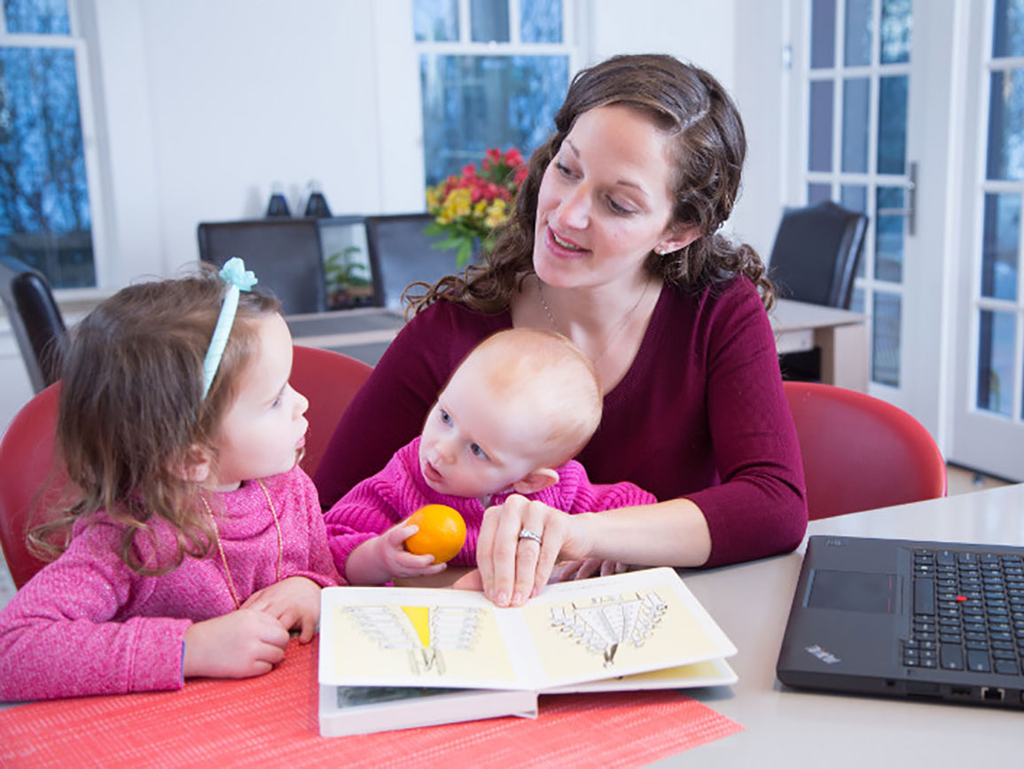
Reading comprehension is about more than being able to read the words on a page. Children also need to understand what is happening, remember important information, make connections, and think about why events happen in a story.
Talking about a book after reading gives children another opportunity to practice these skills. Asking a child to explain what happened can help them organize the events in their mind. Questions about characters can encourage them to think about feelings, choices, and motivations.
Questions can also help parents notice when a child may not have understood something. If a child has trouble explaining an important part of the story, you can go back to the book together and look for information that helps answer the question.
For more ideas about making reading a positive experience at home, check out our guide: What Counts as Reading for Kids? Why Comics, Audiobooks, Graphic Novels, and More All Count. It looks at why different formats can all have a place in a child’s reading life.
How Reading Comprehension Questions Help Kids
Good questions can encourage children to think about a book in several different ways. Some questions simply ask them to remember information from the text. Others require them to make an inference or explain their reasoning.
For younger children, questions may focus on identifying characters, describing pictures, remembering events, or putting parts of a story in order. Older elementary readers can begin answering questions that require them to explain character motivations, identify important ideas, compare information, and support their answers with details from the text.
Questions can also help children make connections between what they read and what they already know. When children talk about how a story reminds them of something from their own lives or another book, they are thinking about the text beyond the basic plot.
This is one reason reading conversations can be useful even when a child is listening to a book rather than reading it independently. The child is still thinking about the story, answering questions, and practicing comprehension.
The Reading Rockets guide to reading for meaning also offers helpful ideas for using conversations before, during, and after reading.
How to Ask Reading Comprehension Questions Without Making Reading Feel Like Homework
The way you ask a question matters just as much as the question itself. Children are more likely to want to talk about a book when the conversation feels like a genuine discussion rather than a quiz.
Try asking open-ended questions that give your child room to explain their thinking. Instead of asking a series of questions that only require a yes or no answer, ask questions such as, “Why do you think the character did that?” or “What made you think that would happen?”
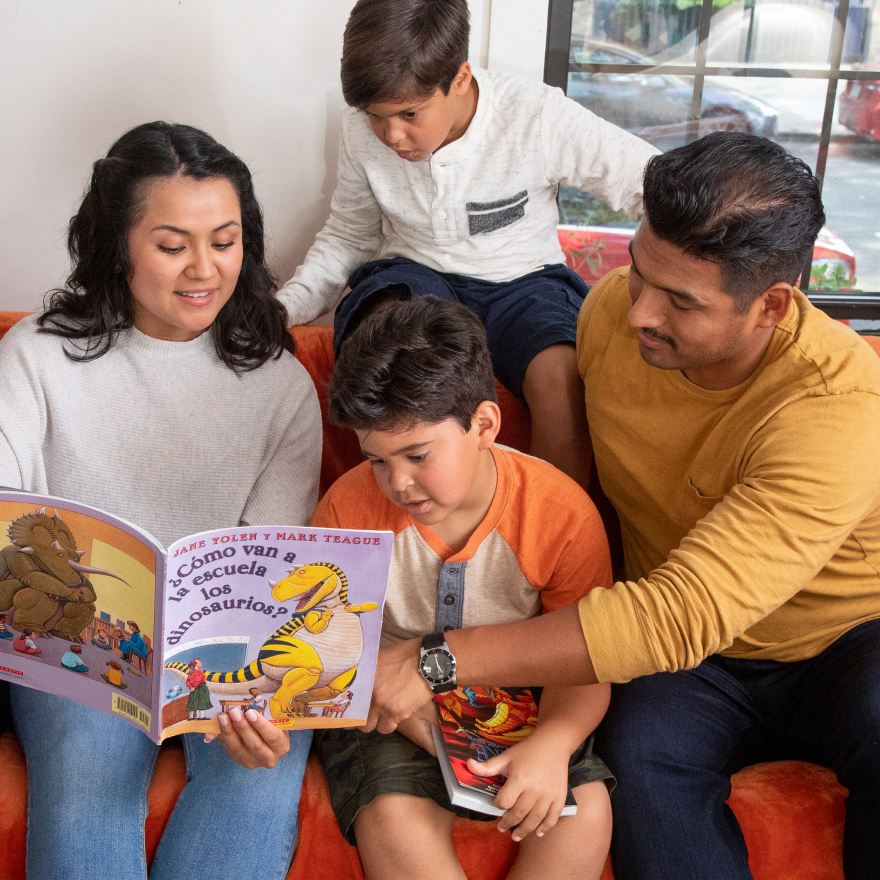
It is also helpful to give your child time to think before answering. Some children need a moment to remember what happened or organize their thoughts. If they are unsure, you can look back at the book together rather than immediately giving them the answer.
You can also follow up on an interesting answer. If your child says that a character was angry, ask what happened that made them think so. This encourages children to connect their ideas to details from the story.
Most importantly, you do not need to use the same questions with every book. Choose questions that make sense for the story you just read.
If you are choosing books for your child to read independently, remember that reading level is another part of the picture. Our guide, How to Tell if a Book Is the Right Reading Level for Your Child, explains how to look at reading difficulty while still considering a child’s interests and comprehension.
25 Reading Comprehension Questions for Kids
Here are 25 questions you can use when talking with your child about a book. They cover basic comprehension, characters, plot, vocabulary, predictions, connections, and deeper thinking.
Understanding the Story
1. What was the story mostly about?
This simple question gives your child a chance to summarize the main idea in their own words.
2. Who were the main characters?
Younger children can name the characters, while older readers can explain which characters were most important to the story.
3. Where did the story take place?
Ask your child to describe the setting and point to details in the book that helped them figure it out.
4. What happened at the beginning of the story?
This helps children practice remembering and sequencing important events.
5. What was the main problem in the story?
Many stories revolve around a problem that the characters need to solve. Identifying that problem can help children understand the rest of the plot.
Thinking About Characters
6. How would you describe the main character?
Encourage your child to use words that describe the character’s personality, behavior, or feelings.
7. How did the character feel during the story?
A character may feel differently at different points in the story. Ask your child what happened that caused those changes.
8. Why do you think the character made that choice?
This moves beyond remembering what happened and asks your child to think about the character’s reasons and motivations.
9. Did the character change during the story?
Some characters learn something, become more confident, change their behavior, or see a situation differently by the end of the story.
10. What would you have done if you were the character?
This gives children an opportunity to think about the character’s choices while also connecting the story to their own ideas.
Thinking About the Plot
11. What was the most important thing that happened?
Children may remember many details, but this question encourages them to decide which events mattered most to the overall story.
12. Why did that happen?
Ask your child to explain the cause of an important event rather than simply remembering that it happened.
13. What happened because of that?
This encourages children to think about cause and effect and how one event can lead to another.
14. What do you think would have happened if the character had made a different choice?
This is a good question for older children who are ready to think about alternative outcomes.
15. How was the problem solved?
Ask your child to explain the solution in their own words and describe how the characters reached the ending.
Making Predictions and Connections
16. What did you think was going to happen?
You can ask this after the story and compare your child’s prediction with what actually happened.
17. Were you surprised by anything in the story?
This question can lead to a discussion about unexpected events, characters, or endings.
18. Did this story remind you of anything?
Children may connect the book to another story, something they have experienced, or something they already know.
19. Have you ever experienced something similar?
Personal connections can help children relate the events in a story to their own lives.
20. What do you think might happen after the story ends?
Even after finishing a book, children can continue thinking about the characters and imagining what might happen next.
Vocabulary and Deeper Thinking
21. Was there a word you didn’t know?
If your child mentions an unfamiliar word, look at the sentence and surrounding information together to discuss what it might mean.
22. What do you think that word means?
Instead of immediately providing the definition, encourage your child to use clues from the sentence, illustrations, or other parts of the book.
23. What was your favorite part, and why?
This is an easy way to start a conversation, but the important part is asking your child to explain their answer.
24. What do you think the author wanted readers to understand?
Older elementary readers may be ready to think about the message, lesson, or larger idea behind a story.
25. What is one thing you will remember about this book?
This gives your child a final opportunity to identify something that stood out to them and explain why it was memorable.
How to Adjust Questions for Different Ages
The same book can lead to very different conversations depending on a child’s age and reading development. Younger children generally need questions that focus on concrete information they can identify directly from the story or pictures.
For children in kindergarten through second grade, questions such as “Who was in the story?”, “Where did they go?” and “What happened next?” can be useful. You can gradually introduce questions about character feelings, predictions, and simple reasons as your child becomes more comfortable explaining their ideas.

Older elementary readers can usually handle questions that require more reasoning. You might ask why a character made a particular decision, how the character changed, what evidence supports an idea, or what the author was trying to communicate.
The important thing is to match the question to the child. A question that is too difficult can make the conversation frustrating, while a question that is too easy may not give an older reader much opportunity to think.
What If Your Child Says “I Don’t Know”?
It is completely normal for children to struggle with a question sometimes. “I don’t know” does not necessarily mean that your child did not understand the book. They may not know how to explain their thinking yet, or the question may simply be too broad.
Try making the question more specific. Instead of asking, “Why did the character do that?” you could ask, “Do you think the character was angry, scared, or excited? What happened that makes you think that?”
You can also return to the book together. Look at the page where the important event happened and ask your child what they notice. Pictures, dialogue, and details from the text can give them clues that help them form an answer.
Over time, these conversations can help children become more comfortable explaining their ideas about what they read.

You Don’t Need to Ask Every Question
Having a list of reading comprehension questions can be useful, but you do not need to work through all 25 questions every time your child finishes a book.
Choose one or two questions that fit the story and your child’s age. A book about friendship may naturally lead to questions about characters and personal connections, while a mystery might be better suited to questions about predictions and clues.
You can also let your child ask you questions. Reading comprehension is not only about answering questions from an adult. Children can become stronger readers when they learn to notice things they wonder about and think about their own questions while reading.
A short conversation that feels natural is often more enjoyable than turning the end of every book into a formal comprehension exercise.
Final Thoughts
Reading comprehension develops as children learn to understand, discuss, and think about the books and other texts they read. Reading comprehension questions for kids can give parents a simple way to support those skills at home without needing complicated activities or worksheets.
The best questions will depend on the child, the book, and what happened in the story. Some days, a simple question about a favorite character may lead to a surprisingly thoughtful conversation. Other times, a child may need help going back into the book to find an answer.
The goal is to keep children thinking about what they read and give them opportunities to explain their ideas. Over time, those conversations can help children become more confident readers who understand that reading is about making meaning, not simply getting to the last page.
FAQ: Reading Comprehension Questions for Kids
What are reading comprehension questions for kids?
Reading comprehension questions are questions that help children think about and explain what they understood from a book or other text. They can focus on characters, setting, important events, vocabulary, predictions, the main idea, or the author’s message.
What questions should I ask my child after reading a book?
Start with questions that fit the book and your child’s age. You might ask what the story was about, who the main character was, what happened, or which part they liked best. Older children can also answer questions about character motivations, predictions, themes, and evidence from the text.
How can I improve my child’s reading comprehension?
Regular reading and conversations about books can both support comprehension. Ask your child to explain what happened, make predictions, describe characters, and connect the story to things they already know. Choosing books that are appropriate for your child’s reading ability can also help.
How many reading comprehension questions should I ask after a book?
There is no set number of questions you need to ask. One or two thoughtful questions can lead to a useful conversation. For longer books, you can also stop occasionally while reading and talk about what has happened so far.
Should reading comprehension questions be different for younger and older kids?
Yes. Younger children usually benefit from questions about characters, setting, details, and the order of events. Older elementary readers can handle questions that require more inference, explanation, predictions, and evidence from the text.
What if my child doesn’t know the answer to a comprehension question?
Try rephrasing the question or returning to the relevant part of the book together. Pictures and details in the text can provide useful clues. A child struggling with one question does not necessarily mean they did not understand the entire book.