

Moving to a new home can be a big adjustment for children, especially when it means leaving behind familiar places, friends, and routines. The right books about moving for kids can help children understand what to expect, talk about their feelings, and feel more comfortable with the changes ahead. Whether your family is preparing for moving day or helping a child settle into a new neighborhood, these stories offer reassurance and a starting point for important conversations.
Some books about moving for kids focus on the practical side of changing homes, while others explore saying goodbye, making new friends, and finding a sense of belonging.
The right books about moving for kids can help make this transition easier to understand. Through relatable characters and reassuring stories, children can explore the feelings that come with moving, learn what to expect, and discover that a new place can eventually feel like home.
Some stories focus on packing boxes and moving day, while others explore saying goodbye to friends, starting at a new school, or finding comfort in unfamiliar surroundings. Here are 15 children’s books that can help families talk about moving and prepare for a fresh start.
Why Books About Moving for Kids Can Help
Children don’t always have the words to explain how they feel about moving. They might be excited one day and upset the next. Younger children, in particular, may have trouble understanding why their family needs to leave a familiar home.
Picture books provide an approachable way to introduce these changes. Children can follow characters who experience similar worries, recognize their own feelings in a story, and see how others adjust to a new environment.
Reading together can also help parents open up conversations that might otherwise be difficult to start. A character who misses an old bedroom or worries about making friends can give children a comfortable starting point for talking about their own concerns.
Books won’t make every part of moving easy, but they can help children feel less alone. They can also remind kids that it’s okay to miss their old home while gradually becoming comfortable in a new one.

15 Books About Moving for Kids to Read Before and After a Move
These recommendations cover several parts of the moving experience, from preparing to leave an old home to finding friendships and comfort in a new place. Some are especially helpful before moving day, while others are better suited to children who are already adjusting to a change.
These books about moving for kids cover a range of experiences, so you can choose a story that fits your child’s age, worries, and upcoming changes.
1. The Moving Book by Lisa Brown
Best for: Explaining the moving process to young children
Moving can feel less mysterious when children know what to expect. In The Moving Book, Lisa Brown walks readers through the process of moving to a new home, from packing boxes to traveling to the new place. The story also acknowledges that moving can bring both excitement and sadness.
The book is a practical choice for families preparing for an upcoming move. Children can see familiar parts of the process in the story and begin understanding what will happen to their belongings and routines.
Try asking: “What part of moving do you think will be exciting? Is there anything about the process that makes you nervous?”
2. We’re Moving House by Mick Jackson, illustrated by Rashin Kheiriyeh
Best for: Helping children approach moving day with curiosity
In We’re Moving House, a young boy learns that his family will be moving and imagines an unusual possibility: What if the entire house could be transported to its new location? His imaginative ideas turn the prospect of moving into an adventure.
This playful story is a good option for children who enjoy using their imaginations to make sense of big changes. It can also help parents introduce the idea of moving without focusing exclusively on the stressful parts.
Try asking: “If you could take one part of your old home with you, what would it be? What do you think our new home will be like?”
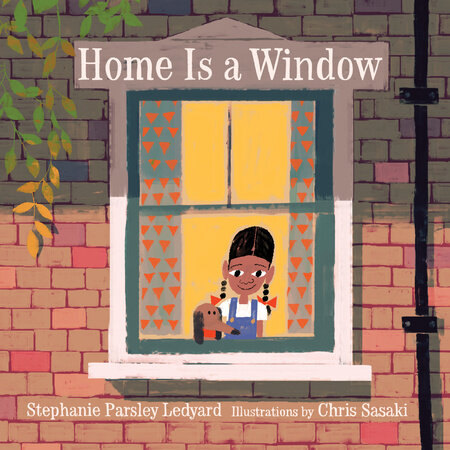
3. Home Is a Window by Stephanie Parsley Ledyard, illustrated by Chris Sasaki
Best for: Understanding what makes a place feel like home
In Home Is a Window, a family leaves a familiar house and moves into a new one. Along the way, the story explores the little things that make a home feel comfortable, from familiar objects to the people who make a place special.
The book reassures children that even when their surroundings change, they can bring important parts of their old home with them. It is especially useful for discussing the difference between leaving a building behind and losing the sense of comfort associated with home.
Try asking: “What makes our home feel special to you? Which familiar things could help our new house feel like home?”
4. My New Home by Marta Altés
Best for: Adjusting to an unfamiliar home and meeting new people
In My New Home, a little raccoon discovers that moving to a new place can feel lonely and frightening at first. As the story continues, the character finds opportunities for new adventures, kindness, and connection.
The gentle story helps children understand that feeling uncomfortable in a new place doesn’t mean they will always feel that way. It can be a reassuring read for children who need time to settle in and become familiar with their surroundings.
Try asking: “What might feel strange about a new home at first? What could help you feel more comfortable there?”
5. Goodbye, Old House by Margaret Wild, illustrated by Ann James
Best for: Saying goodbye to a familiar home
Leaving a home can mean saying goodbye to places filled with memories. In Goodbye, Old House, a child reflects on the familiar spaces and experiences being left behind before moving toward a new beginning.
The story acknowledges that saying goodbye is an important part of moving. It gives children space to think about the rooms, routines, and memories they will miss while also introducing the possibility of new experiences.
Try asking: “What is one memory from our old home that you want to remember? Is there something you’d like to do before we leave?”
6. Lenny & Lucy by Philip C. Stead, illustrated by Erin E. Stead
Best for: Managing worries about an unfamiliar environment
In Lenny & Lucy, Peter is worried about moving to a new house and the unfamiliar woods surrounding it. With help from his father and his imagination, he finds a way to face his fears and feel less alone.
The book is especially useful for children who worry about what a new neighborhood will be like. Its imaginative approach encourages readers to acknowledge their concerns while finding ways to feel safer and more confident.
Try asking: “What do you think Peter is worried about? What could help you feel safe if something about our new neighborhood seems unfamiliar?”
7. When You Are Brave by Pat Zietlow Miller, illustrated by Eliza Wheeler
Best for: Finding courage during a major change
In When You Are Brave, a young girl faces an unfamiliar situation and discovers that courage can grow through small moments. As she moves through uncertainty, she learns that being brave doesn’t mean never feeling afraid.
This book can help children talk about the worries that come with moving, especially when they don’t know what to expect. It reinforces the idea that children can take new experiences one step at a time without needing to feel confident about everything right away.
Try asking: “What does being brave mean to you? What is one small thing you could try if you’re feeling nervous about the move?”
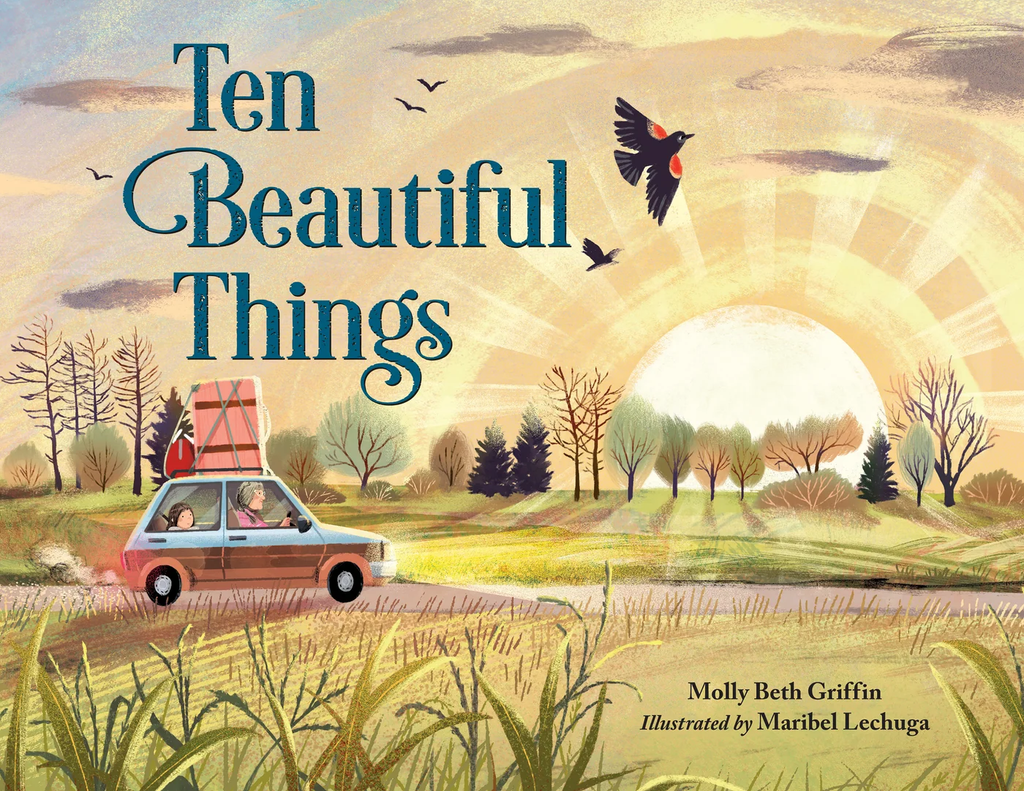
8. Ten Beautiful Things by Molly Beth Griffin, illustrated by Maribel Lechuga
Best for: Finding comfort and hope during a difficult transition
In Ten Beautiful Things, Lily travels with her grandmother to a new home. Lily feels unhappy about the move and struggles to find anything beautiful in the world around her. Her grandmother encourages her to notice ten beautiful things along the way.
The story offers a gentle way to help children notice positive details even when a situation feels difficult. It doesn’t dismiss Lily’s worries, but it gives her a way to look at her surroundings differently as she adjusts to a major change.
Try asking: “What are three things you like about where we live now? What are some things you hope you’ll enjoy about our new home?”
9. Evelyn Del Rey Is Moving Away by Meg Medina, illustrated by Sonia Sánchez
Best for: Saying goodbye to friends and staying connected
Evelyn and Daniela are best friends who live across the street from each other. When Evelyn’s family prepares to move away, the girls spend their last day together playing and remembering their friendship.
The story captures the sadness that can come with leaving someone important behind. It also offers an opportunity to talk about ways friends can stay connected, even when they no longer live close enough to see each other every day.
Try asking: “What do you think the girls will miss about spending time together? What are some ways they could stay in touch after the move?”
10. Goodbye, Friend! Hello, Friend! by Cori Doerrfeld
Best for: Understanding goodbyes, new beginnings, and changing friendships
In Goodbye, Friend! Hello, Friend!, children see how goodbyes and hellos are connected throughout life. Some changes are exciting, while others are difficult, and even positive new beginnings can come with feelings of loss.
The story is a helpful choice for children who are leaving familiar friends, activities, or routines behind. It encourages them to recognize that feeling sad about a goodbye and looking forward to something new can happen at the same time.
Try asking: “What is something you’ll miss about our current home or neighborhood? What is something new you might look forward to?”
11. Alexander, Who’s Not (Do You Hear Me? I Mean It!) Going to Move by Judith Viorst, illustrated by Robin Preiss Glasser
Best for: Children who feel angry or resistant about moving
When Alexander’s parents announce that the family is moving far away, he refuses to accept the news. He doesn’t want to leave his best friend, familiar places, or the people who are part of his everyday life.
Alexander’s strong reaction can help children recognize that anger and resistance are understandable responses to a major change. The humorous story also gives families a chance to discuss the specific things a child is afraid of losing.
Try asking: “What do you think Alexander will miss most? If you could tell your family one thing you’re worried about, what would it be?”
12. A New Friend: One Book, Two Stories by Lucy Menzies, illustrated by Maddy Vian
Best for: Starting at a new school and making friends
A New Friend follows two children who experience the arrival of a new student from different perspectives. Joe is the new child, feeling nervous and missing his old school and friends. Mae is excited to meet him and hopes they can become friends.
The book’s two-story format lets readers compare how each child experiences the same situation. It is particularly useful for discussing the worries of joining an unfamiliar school or community and the small gestures that can help someone feel welcome.
Try asking: “How does Joe feel about starting somewhere new? What does Mae do that might help him feel more comfortable?”
13. Nana in the City by Lauren Castillo
Best for: Becoming comfortable in an unfamiliar neighborhood
When a young boy visits his grandmother in the city, he finds the crowds, sounds, and busy streets frightening. His grandmother helps him see the city differently, and he gradually becomes more comfortable exploring his surroundings.
Although the story isn’t specifically about moving house, it can help children who are nervous about a new neighborhood or unfamiliar environment. It shows how spending time with someone trusted can make a strange place feel less intimidating.
Try asking: “What makes the city seem scary to the boy at first? What helps him start to enjoy being there?”
14. The Invisible by Tom Percival
Best for: Adjusting to a new neighborhood and finding belonging
In The Invisible, Isabel and her family face financial difficulties and have to leave their home for a different part of the city. As Isabel adjusts to her new surroundings, she begins noticing other people who are often overlooked and discovers ways to make a difference.
The story addresses moving alongside broader themes of poverty, community, and belonging. It can help older picture-book readers consider how a change in circumstances affects a family and how kindness can help people feel less isolated.
Try asking: “How might Isabel feel when she has to leave her old home? What helps her begin to feel connected to the people around her?”
15. House Finds a Home by Katy S. Duffield, illustrated by Jen Corace
Best for: Exploring what makes a house a home
In House Finds a Home, readers follow a house as the people living inside it change over the years. Each family brings different routines, memories, and experiences, and the house gradually becomes part of many lives.
Told from the house’s perspective, the story offers a different way to think about moving and the meaning of home. It can help children understand that a home is shaped by the people who live there, rather than just its rooms or walls.
Try asking: “What makes a house feel like a home? What are some things our family can do to make a new place feel familiar?”
How to Help Kids Adjust After Moving to a New Home Beyond Books
Books about moving for kids can help start conversations, but children may also need practical support as they prepare for a new home. A few simple steps can make the transition feel more manageable.
Along with reading books about moving for kids, give children opportunities to ask questions and share what they are looking forward to or feeling nervous about.
Help Children Talk About Moving and Their Feelings
Children may have questions or worries that come up gradually. Some might be excited about a new room, while others are concerned about leaving friends or changing schools.
Make space for both positive and difficult feelings. Let children know they can talk about what they will miss without being expected to feel excited about the move all the time.
Keep familiar routines when possible
Moving often changes many parts of a child’s daily life at once. Keeping a few familiar routines, such as bedtime reading, family meals, or a favorite weekend activity, can provide a sense of continuity.
Even small familiar details can help children feel more settled while they get used to their new surroundings.
Involve children in age-appropriate decisions
Give children opportunities to participate in the process. They might choose which books to pack in an accessible box, decide how to arrange a few items in their new bedroom, or help select a familiar decoration for the new space.
These small choices can help children feel included in the transition without placing adult responsibilities on them.

Make opportunities to build new connections
After the move, explore the neighborhood together, visit a nearby library or park, or look for activities where children can meet others with similar interests.
If a child misses old friends, help them find reasonable ways to stay connected. Building new friendships doesn’t mean replacing old ones, and children may need time to feel comfortable in their new community.
For more reading recommendations, KidiReading also has lists of the best books about feelings for kids and the best books about friendship for kids.
Families can also explore children’s books through Epic, a digital reading platform with books for young readers. Titles such as Home Is a Window and Ten Beautiful Things are available on Epic, giving families another way to read stories about moving and adjusting to change.
Final Thoughts
Moving can bring a mixture of excitement, uncertainty, and sadness for children. Leaving a familiar home is a big transition, and kids may need time to understand their feelings and settle into a new environment.
These books about moving for kids offer different ways to explore that experience. Some explain the practical process of moving, while others focus on saying goodbye, making friends, or discovering what makes a new place feel like home.
Reading together won’t remove every worry, but it can give children a chance to ask questions, talk about what they will miss, and imagine the possibilities ahead. With patience, familiar routines, and support from the adults around them, children can gradually begin to feel at home in a new place.
Frequently Asked Questions (FAQ)
What are the best books about moving for kids?
Some helpful choices include The Moving Book by Lisa Brown for explaining the moving process, Home Is a Window by Stephanie Parsley Ledyard for exploring what makes a place feel like home, and Evelyn Del Rey Is Moving Away by Meg Medina for discussing the challenge of leaving a close friend. The best choice depends on what a child is most concerned about.
At what age should children read books about moving?
Many picture books about moving are suitable for children ages 3–8. Younger children may benefit from simple stories about packing and moving day, while older children can explore more complex themes such as changing schools, missing friends, and adjusting to a new community.
How can I help my child who is upset about moving?
Start by listening to your child’s concerns without immediately trying to make them feel better. Acknowledge what they will miss, explain what you can about the move, and involve them in small decisions when possible. Reading a story about a similar experience can also help them express feelings that are difficult to put into words.
Can books help children prepare for moving to a new school?
Yes. Stories about starting over and making friends can help children imagine what their first days might be like. Books such as A New Friend: One Book, Two Stories can also encourage conversations about meeting classmates, asking for help, and giving new friendships time to develop.
How long does it take children to adjust to a new home?
There isn’t one timeline that works for every child. Some children settle in quickly, while others need more time to feel comfortable with new routines, surroundings, and friendships. Keeping familiar routines, listening to their concerns, and offering steady support can help them adjust at their own pace.