
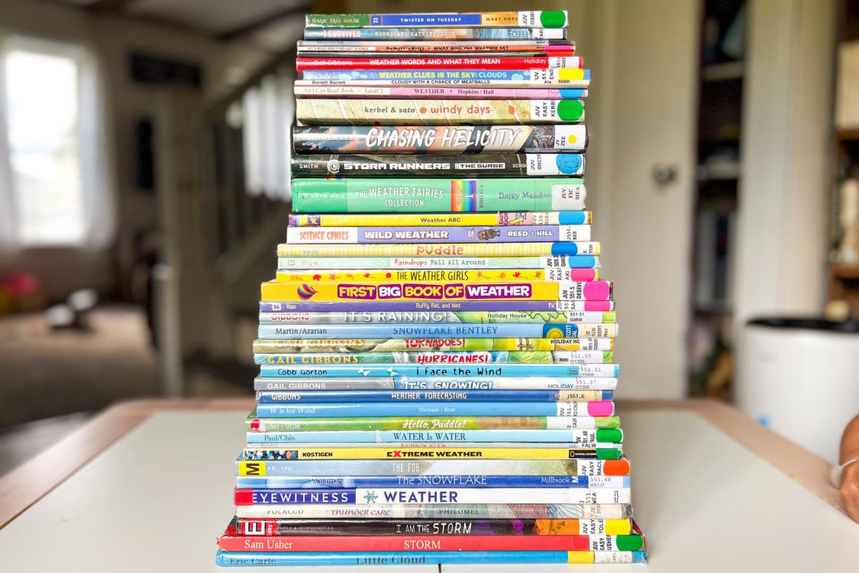
Weather books for kids can turn everyday questions about clouds, rain, wind, and storms into fun opportunities to learn. Whether a child is wondering where rain comes from or why thunder makes so much noise, the right book can help explain the world happening right outside their window.
Whether your child loves watching thunderstorms, spotting different cloud shapes, or learning why the wind blows, these books offer plenty to explore. We’ve gathered 15 engaging weather books for kids, including stories and science books for different ages and reading interests.
15 Best Weather Books for Kids of Different Ages
The books below cover a variety of weather topics, including clouds, rain, wind, hurricanes, thunderstorms, and the water cycle. Some use imaginative stories to introduce weather concepts, while others explain the science in a way young readers can understand.
If you’re choosing weather books for kids for the first time, this list includes options for curious preschoolers, elementary readers, and children who enjoy learning how things work.
1. Cloudy with a Chance of Meatballs by Judi Barrett
What if the weather forecast called for pancakes instead of rain? In this imaginative picture book, the residents of Chewandswallow experience a very unusual kind of weather: food falls from the sky three times a day!
The story follows the town as its weather becomes increasingly unpredictable, leading to some hilarious and surprising situations. Its playful take on familiar weather patterns makes it a fun choice for children who enjoy silly stories.
What kids can learn: This book encourages imagination and introduces the idea of weather forecasts and changing weather conditions. It can also lead to conversations about how real weather differs from the fictional weather in the story.
Try this: Ask your child what they would want to fall from the sky if they could invent their own weather. Have them draw a picture of their imaginary forecast.
Suggested age: 4–8 years
2. The Cloud Book by Tomie dePaola
Why do clouds have different shapes? And how can you tell one type of cloud from another? The Cloud Book introduces children to the different kinds of clouds and explains how they are connected to weather.
With simple explanations and illustrations, this book helps young readers recognize cloud formations and begin understanding what they can tell us about the sky.
What kids can learn: Children can become familiar with cloud types, including cumulus, stratus, and cirrus clouds, while building vocabulary related to weather and the atmosphere.
Try this: Look outside together and see how many different cloud shapes you can spot. Encourage your child to describe what the clouds look like and whether they think rain might be coming.
Suggested age: 5–9 years
3. Little Cloud by Eric Carle
In Little Cloud, a small cloud changes its shape as it floats across the sky. It becomes different objects and animals, giving children a playful introduction to clouds and the shapes they can appear to form.
Eric Carle’s familiar collage illustrations make this a particularly engaging read for younger children. Rather than focusing on scientific explanations, the story encourages observation, creativity, and imagination.
What kids can learn: Children can practice describing shapes, recognizing patterns, and using their imagination to interpret what they see in the sky.
Try this: After reading, invite your child to look at the clouds outside and imagine what each one resembles. They can draw their favorite cloud shape afterward.
Suggested age: 2–6 years

4. Down Comes the Rain by Franklyn M. Branley
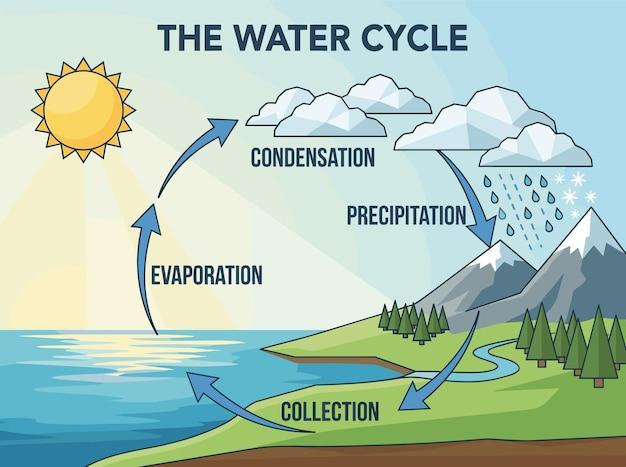
Where does rain come from, and what happens to water after it falls? Down Comes the Rain introduces children to the water cycle and explains how water moves through the environment.
The book breaks down concepts such as evaporation, condensation, and precipitation using accessible explanations and illustrations. It is a helpful nonfiction choice for children who want to understand the science behind rainy days.
What kids can learn: Readers are introduced to the water cycle and the way water changes, moves, and returns to the environment.
Try this: Draw a simple water cycle together, labeling evaporation, condensation, and precipitation. You can also explore the UCAR Center for Science Education’s water cycle explanation for additional information.
Suggested age: 5–9 years
5. What Will the Weather Be? by Lynda DeWitt
How do meteorologists predict the weather? This nonfiction book introduces children to the tools and observations used to understand and forecast changing weather conditions.
Through clear explanations and illustrations, young readers can explore how people study the sky, measure temperature, and make predictions about what the weather might bring.
What kids can learn: Children can become familiar with weather forecasting, basic weather observations, and the work meteorologists do.
Try this: Before checking the weather forecast, ask your child to make their own prediction based on what they see outside. At the end of the day, compare their prediction with what actually happened.
Suggested age: 5–9 years
6. Flash, Crash, Rumble, and Roll by Franklyn M. Branley
Thunderstorms can be fascinating to children, especially when they hear thunder or see lightning for the first time. Flash, Crash, Rumble, and Roll explains what happens during a thunderstorm and introduces the science behind these dramatic weather events.
The book helps young readers understand why lightning flashes, why thunder rumbles, and how thunderstorms develop.
What kids can learn: Children can learn about lightning, thunder, storm clouds, and the basic science behind thunderstorms.
Try this: After reading, ask your child to explain the difference between thunder and lightning. You can also discuss simple storm-safety rules, such as going indoors when thunder is heard.
Suggested age: 5–9 years
For children who are especially curious about storms, these weather books for kids offer a starting point for learning about thunder, lightning, and changing conditions.
7. The Wind Blew by Pat Hutchins
What happens when a strong gust of wind sweeps through a town? In The Wind Blew, the wind carries away all sorts of objects, creating a funny chain of events as people try to get their belongings back.
The rhyming text and lively illustrations make this an entertaining read-aloud, while the story gives children an easy way to think about how wind can move objects around.
What kids can learn: Readers can explore cause and effect, sequencing, and the effects of wind on everyday objects.
Try this: Gather a few safe, lightweight objects and ask your child to predict which ones might move when a gentle breeze blows. You can also make paper pinwheels and observe how they respond to the wind.
Suggested age: 3–7 years
8. Come On, Rain! by Karen Hesse
After a long, hot stretch of summer weather, a young girl eagerly waits for rain to arrive. When the storm finally comes, she and her friends celebrate the refreshing change in the weather.
Come On, Rain! is a beautifully illustrated story that captures the feeling of waiting for a rainy day after a period of heat and dryness. It also gives children a chance to think about how weather affects people, plants, and their surroundings.
What kids can learn: Children can explore seasonal weather, the importance of rain, and how weather can affect the environment and daily life.
Try this: Talk about a time when your family really needed rain or looked forward to a sunny day. Ask your child how different weather conditions make them feel.
Suggested age: 4–8 years
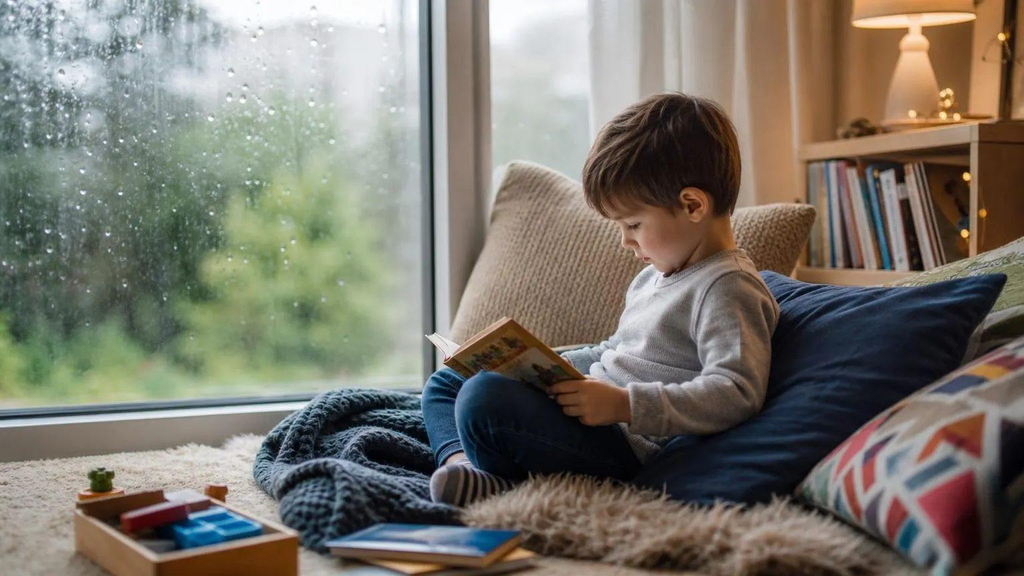
9. The Magic School Bus Inside a Hurricane by Joanna Cole
For children who love adventure and science, The Magic School Bus Inside a Hurricane takes readers on an imaginative journey into a powerful storm.
Ms. Frizzle and her class explore a hurricane while learning about the conditions that create these storms. The familiar characters and exciting storyline make complicated weather concepts more approachable for young readers.
What kids can learn: Readers are introduced to hurricanes, storm formation, wind, and the conditions that contribute to severe weather.
Try this: Ask your child to make a simple hurricane fact sheet after reading. They can include what a hurricane is, where it forms, and a few important safety reminders.
Suggested age: 6–10 years
Some of the best weather books for kids combine memorable characters with real scientific ideas, making it easier for children to stay interested while learning new concepts.
10. Weather by Seymour Simon
For children who prefer real-world explanations, Weather by Seymour Simon offers an informative look at the science behind different weather conditions.
The book explores topics such as clouds, rain, snow, wind, and storms, helping readers understand how weather develops and why conditions change. Its photographs and explanations make it a useful choice for children who enjoy nonfiction and science topics.
What kids can learn: Children can build a broader understanding of weather patterns, atmospheric conditions, and the natural processes that affect the weather.
Try this: Choose one weather topic from the book and have your child explain it in their own words. They can draw a picture or write a few sentences to show what they learned.
Suggested age: 7–10 years
11. Feel the Wind by Arthur Dorros
Wind is something children experience almost every day, but what exactly is it? Feel the Wind introduces young readers to the science of moving air and explains how wind affects the world around us.
The book connects a familiar experience, feeling a breeze, with larger scientific ideas. It is a useful choice for children who are beginning to ask questions about the natural world.
What kids can learn: Readers can explore what wind is, how it moves, and how people use wind energy.
Try this: Make a simple paper pinwheel and take it outside. Ask your child to observe what happens when the wind blows and describe how the pinwheel responds.
Suggested age: 4–8 years
The following weather books for kids explore wind, water, and other parts of the natural world through accessible explanations and engaging stories.
12. Thunder Cake by Patricia Polacco
A thunderstorm is approaching, and a young girl is frightened by the sound of thunder. With the help of her grandmother, she gathers ingredients to make a special cake before the storm arrives.
Thunder Cake is a warm story about family, courage, and finding ways to manage fear. Although it is not a traditional science book, it offers a meaningful way to talk about thunderstorms and how people respond to them.
What kids can learn: Children can explore emotions, storytelling, and the sounds and sights associated with thunderstorms. The story can also introduce conversations about how families prepare for stormy weather.
Try this: After reading, ask your child what helps them feel more comfortable during a thunderstorm. You could also make a simple cake together and talk about the story as you bake.
Suggested age: 5–9 years
13. The Cloud Spinner by Michael Catchpool
The Cloud Spinner is a beautifully illustrated fantasy about a boy who discovers how to spin clouds into cloth. When a king demands more and more of the special material, the story explores what can happen when people take too much from the natural world.
This imaginative book is not a traditional weather science guide, but its cloud imagery and environmental message make it an interesting addition to a collection of stories about nature and the sky.
What kids can learn: Readers can discuss clouds, imagination, natural resources, and the importance of caring for the environment.
Try this: Ask your child what they think the story is trying to teach. Then have them invent their own magical material made from something found in nature.
Suggested age: 4–8 years
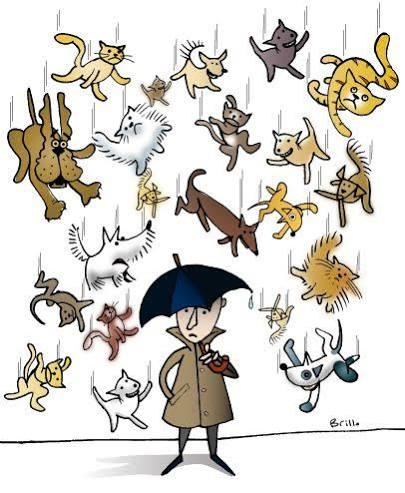
14. Can It Rain Cats and Dogs? by Melvin and Gilda Berger
Why do people say it is raining cats and dogs? This book explores weather-related expressions and answers curious questions about the way we talk about rain and other weather conditions.
It is a fun option for children who enjoy asking questions about unusual phrases and discovering the meanings behind everyday language.
What kids can learn: Children can build weather vocabulary, explore common expressions, and practice distinguishing between literal and figurative language.
Try this: Ask your child if they know any other expressions about weather, such as “under the weather” or “every cloud has a silver lining.” Talk about what each phrase really means.
Suggested age: 5–9 years
15. A Drop of Water by Walter Wick
What does a drop of water look like up close? In A Drop of Water, Walter Wick uses detailed photographs to explore the fascinating properties and behavior of water.
Although the book covers more than weather alone, it offers a wonderful visual introduction to water, evaporation, condensation, and other concepts connected to the water cycle.
What kids can learn: Readers can observe how water behaves, explore changes in water, and begin connecting those observations to larger science topics such as rain and evaporation.
Try this: Place a few drops of water on a safe surface and observe how they look under a magnifying glass. Ask your child to describe what they notice and draw their observations.
Suggested age: 6–10 years
How to Make Reading Weather Books for Kids More Engaging
Reading about weather is a great starting point, but children can deepen their understanding by observing the weather themselves. Try pairing these books with a few simple activities that encourage curiosity, conversation, and hands-on learning.
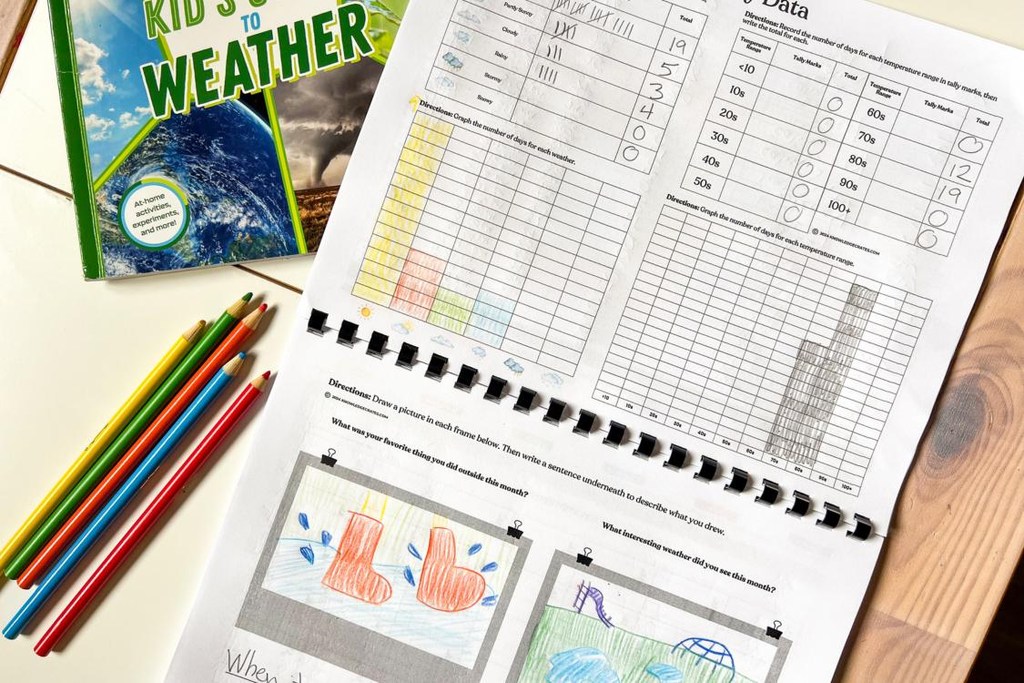
Weather Books for Kids: Start a Simple Weather Journal
Give your child a notebook and encourage them to record the weather each day. They can draw the sky, write down the temperature if available, and describe whether it is sunny, cloudy, rainy, or windy.
Over time, they can look back at their observations and notice patterns in the weather. This is also a simple way to practice writing and build descriptive vocabulary.
Explore Clouds After Reading Weather Books
After reading about clouds, take a few minutes to observe the sky together. Look for different shapes, colors, and formations.
Younger children can draw what they see, while older readers can try identifying basic cloud types. Encourage them to describe their observations rather than worrying about getting every scientific term right.
Learn About the Water Cycle With Weather Books
The water cycle can be easier to understand when children have a visual representation to follow. Draw a simple diagram showing how water evaporates, forms clouds through condensation, and returns to the ground as precipitation.
For additional weather-related activities and printable learning materials, explore NOAA’s weather education resources.
Compare Fiction and Nonfiction Weather Books for Kids
Try reading one imaginative weather story alongside a nonfiction book about the same topic. For example, children can compare the unusual weather in Cloudy with a Chance of Meatballs with a book that explains real weather patterns.
If your child enjoys learning about real-world topics, you can find more ideas in our guide to helping kids enjoy nonfiction reading
Ask them to identify which details are fictional and which are based on science. This is a helpful way to practice reading comprehension, compare different types of texts, and develop critical-thinking skills.
Final Thoughts
Weather is something children experience every day, which makes it an especially interesting topic to explore through reading. A rainy afternoon, a windy day, or an approaching thunderstorm can all lead to questions that encourage children to learn more about the natural world.
These weather books for kids offer a mix of imaginative stories and nonfiction explanations, giving young readers plenty of ways to explore clouds, rain, wind, storms, and the water cycle. You can also make these reading experiences part of your child’s regular routine with Epic, which offers a large digital library of children’s books and educational reading materials.
As you revisit these books throughout the year, encourage your child to notice how the weather around them connects to what they’ve read. Sometimes the best science lessons begin with simply looking out the window and asking a question.
Frequently Asked Questions (FAQ)
What are the best weather books for young children?
Books such as Little Cloud by Eric Carle, The Wind Blew by Pat Hutchins, and Cloudy with a Chance of Meatballs by Judi Barrett are engaging choices for younger readers. They introduce weather-related ideas through playful illustrations, memorable stories, and familiar experiences.
What can children learn from books about weather?
Weather books can help children understand clouds, rain, wind, storms, temperature, and the water cycle. They can also build vocabulary, reading comprehension, observation skills, and curiosity about science.
Which children’s books explain the water cycle?
Down Comes the Rain by Franklyn M. Branley is a useful introduction to the water cycle. A Drop of Water by Walter Wick also explores water and its properties through detailed photographs and observations.
Should children read fiction or nonfiction weather books?
Both are valuable! Fiction books can introduce weather through imaginative stories and relatable characters, while nonfiction books explain real scientific concepts. Reading both types gives children different ways to explore a topic and understand what they are learning.
How can I encourage my child to read more science books?
Start with topics your child already finds interesting, such as thunderstorms, clouds, snow, or hurricanes. Choose books with engaging illustrations and accessible explanations, then connect the reading to everyday observations and simple activities. Asking questions and giving children opportunities to explore what they have read can make science books more enjoyable.