
The transition to chapter books is an exciting milestone for many young readers. Children may feel proud when they pick up a book with chapters instead of the picture books they’ve been reading for years. But moving from short, illustrated stories to longer books can also be a bigger challenge than parents expect.
Suddenly, there are more pages to get through, fewer pictures to help explain what’s happening, and characters and storylines that continue across several reading sessions. Even children who enjoy reading may need some time to adjust.
The good news is that there’s no need to rush the process. With the right books, a little encouragement, and opportunities to read together, parents can help children become more comfortable with longer stories while keeping reading enjoyable. A gradual transition to chapter books gives young readers time to build confidence without feeling pressured to move too quickly.
Why Is the Transition to Chapter Books Difficult?
Picture books and chapter books offer different reading experiences. In a picture book, illustrations often provide important clues about the characters, setting, emotions, and events. The story is usually shorter, so children can follow it from beginning to end in one sitting.
Chapter books introduce a different kind of challenge. Children may need to follow a story over several chapters, remember details from previous reading sessions, and use the written descriptions to imagine what is happening.
Some common challenges include:
- Fewer illustrations: Children who are used to relying on pictures may find it harder to visualize characters, places, and events.
- Longer storylines: Instead of finishing a story in one sitting, children may need to remember what happened over several days.
- More characters and details: Longer stories can introduce additional characters, settings, and events that children need to keep track of.
- Greater reading stamina: Reading several pages or chapters requires children to maintain their attention and understanding for longer periods.
- Less familiar vocabulary: Some chapter books introduce more complex words and sentence structures.
These challenges don’t necessarily mean a child isn’t ready for longer stories. They may simply need more time to become comfortable with the format.
It’s also important to remember that reading the words and understanding the story are not exactly the same thing. A child might be able to read a chapter independently but still need help following the events or remembering important details.
How Do You Know If Your Child Is Ready for Chapter Books?
There isn’t one specific age or grade when every child should start reading chapter books. Some children become interested in them during first grade, while others prefer picture books and early readers for longer.
Rather than focusing only on age, pay attention to how your child approaches reading.
Here are a few signs they might be ready to explore longer stories:
- They enjoy longer read-alouds: Your child can stay interested in a story that takes more than a few minutes to finish.
- They ask what happens next: They become curious about characters and want to know how a story continues.
- They can follow a sequence of events: They can explain what happened earlier in a story and connect it to what is happening now.
- They show interest in longer books: They might pick up a chapter book themselves or ask to read something similar to what an older sibling is reading.
- They are becoming more confident readers: They can read familiar text with increasing ease and are beginning to manage longer passages.
These are helpful indicators, not a checklist children must complete before they can enjoy a chapter book.
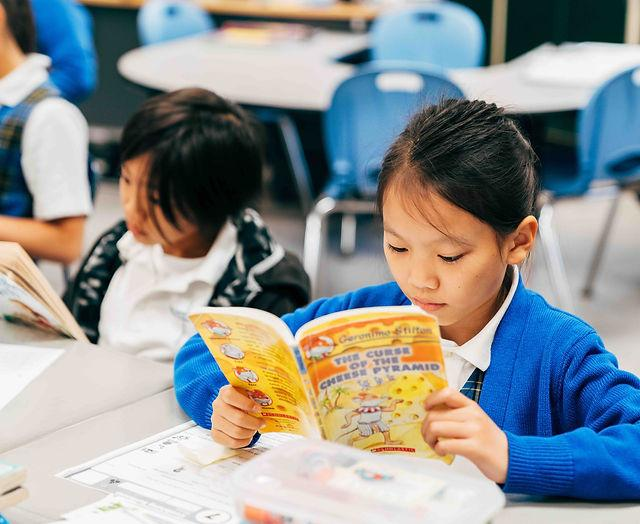
Reading Chapter Books Together Before Independent Reading
A particularly important distinction is the difference between independent reading and listening comprehension. A child might not be ready to read an entire chapter book alone but could still enjoy listening to one with a parent.
In fact, reading longer stories aloud can be a wonderful way to introduce children to chapter books before they are ready to tackle them independently.
If you’re unsure whether a particular book is appropriate for your child’s reading ability, our guide on how to tell if a book is the right reading level for your child explains how to consider reading difficulty, comprehension, and interest when choosing books.
5 Ways to Make the Transition to Chapter Books Easier
Once your child starts showing interest in longer stories, there are several ways to make the experience more comfortable. These simple strategies can make the transition to chapter books feel more manageable while helping children gradually build the skills needed to follow longer stories.
1. Start With Illustrated Chapter Books
You don’t have to jump straight from picture books to novels with pages of uninterrupted text.
Early chapter books are designed to help children become comfortable with longer stories. They often include shorter chapters, illustrations throughout the book, and relatively simple storylines.
Look for books with:
- Short, manageable chapters.
- Illustrations that help children visualize important scenes.
- Readable text with plenty of spacing.
- Familiar or easy-to-follow storylines.
- Characters and topics your child finds interesting.
These features can make longer books feel less intimidating while giving children opportunities to practice following a story over several chapters.
Some popular early chapter book series include Henry and Mudge by Cynthia Rylant, Magic Tree House by Mary Pope Osborne, and Owl Diaries by Rebecca Elliott.
You don’t need to choose a book simply because it’s popular, though. A story about animals, mysteries, sports, or magical adventures might be a much better starting point if it matches your child’s interests.
2. Read the First Few Chapters Together
Starting a new book can feel much easier when children have someone to share the experience with.
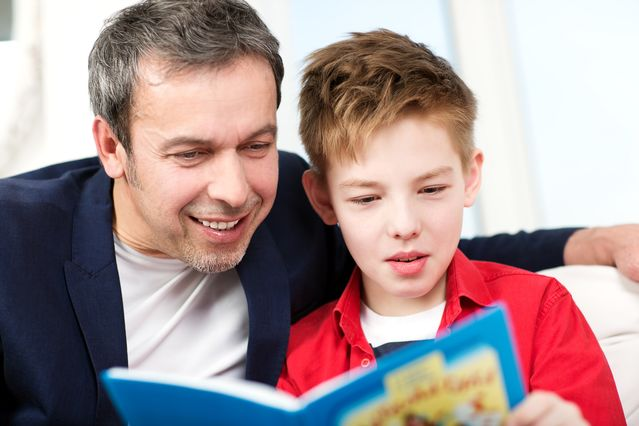
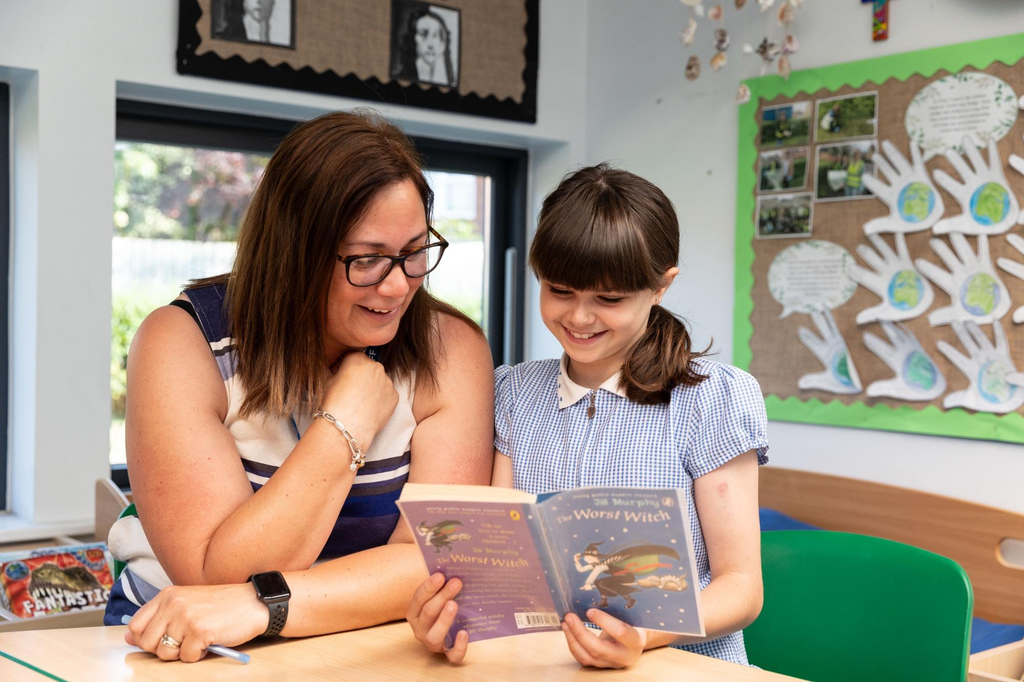
Consider reading the first chapter or two together before encouraging your child to continue independently. You can take turns reading paragraphs, alternate pages, or let your child read a section while you handle the next one.
Reading together also gives children a chance to hear what fluent reading sounds like. They can notice how an experienced reader uses expression, pauses at punctuation, and makes the dialogue sound natural.
You can also help them visualize scenes that don’t have illustrations. For example, if the author describes a character walking through a crowded city, ask your child what they imagine the streets might look like.
The Scholastic guide to reading chapter books aloud with children offers additional suggestions for making shared chapter-book reading interactive.
3. Keep Reading Sessions Short at First
A child who is used to finishing a picture book in ten minutes might feel overwhelmed by a much longer story.
Instead of expecting them to read several chapters in one sitting, start with a manageable goal. One short chapter or a few pages might be enough at first.
As your child becomes more comfortable, they can gradually spend more time reading.
It’s also perfectly fine to stop at a natural point in the story rather than pushing them to finish a chapter when they’re losing interest.
The important thing is to create a routine that feels achievable. Finishing a short chapter and feeling excited about what happens next can be much more motivating than struggling through too many pages at once.
4. Talk About What Happened in Each Chapter
One of the biggest adjustments children face when reading chapter books is remembering what happened between reading sessions.
With picture books, children can often remember the entire story after one reading. Longer books require them to keep track of characters, events, and important details over time.
A short conversation at the end of each reading session can help.
You might ask:
- What happened in this chapter?
- Which character did we learn more about?
- Was there anything surprising?
- What do you think might happen next?
- Is there anything from an earlier chapter that we should remember?
You don’t need to ask every question or turn reading time into a comprehension test. A natural conversation is enough to encourage children to think about the story.
You can also begin the next reading session with a quick reminder of what happened previously. Let your child explain what they remember, and revisit the last few pages together if they need help.
For more ideas, see our guide on how to help kids remember what they read. It includes simple strategies for helping children understand and recall important details without making reading feel like homework.
5. Let Your Child Choose Books They’re Interested In
Interest makes a big difference when children are learning to enjoy longer stories.
A child who loves dinosaurs might be much more motivated to finish a book about a dinosaur adventure than a story chosen simply because it matches their grade level.
Give your child opportunities to browse different genres, authors, and series. Let them explore mysteries, fantasy, humor, sports stories, animal adventures, or whatever happens to catch their attention.
You can also let them choose between a few books rather than selecting everything for them. If your family uses Epic, browsing its digital library together can be another way to discover stories that match your child’s interests.
It’s okay if the first book they choose isn’t a perfect fit. Sometimes children need to try a few different stories before finding one they genuinely want to keep reading.
The more involved children feel in choosing their books, the easier it can be to build a positive reading habit.
Should Children Stop Reading Picture Books Once They Start Chapter Books?
Absolutely not.
One common misconception is that children should leave picture books behind once they become capable of reading chapter books. But picture books continue to offer valuable reading experiences, even for older elementary students.
Some picture books contain rich vocabulary, detailed illustrations, and complex themes that encourage children to think carefully about a story. They can also be wonderful opportunities for parents and children to read together.
In fact, picture books and chapter books can complement each other.
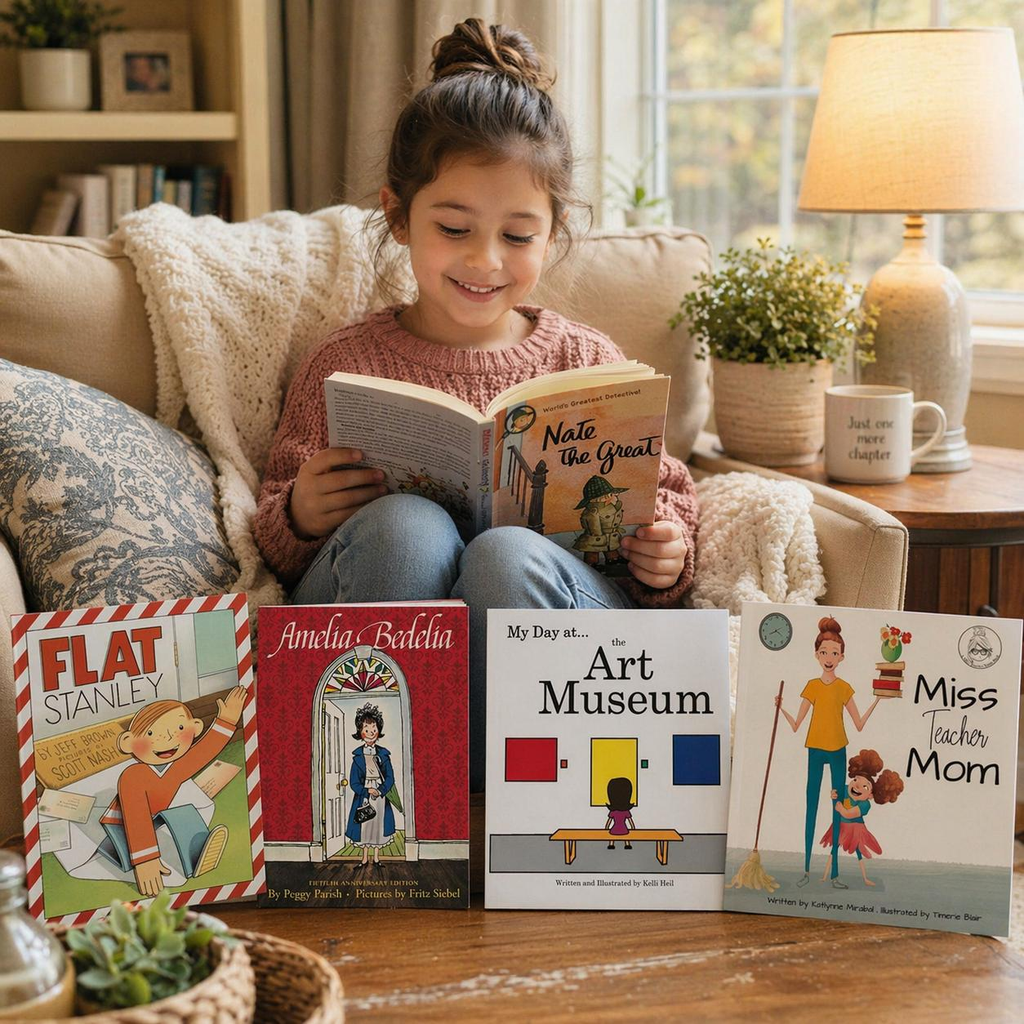
A child might independently read a chapter book during the afternoon and enjoy a picture book with a parent before bedtime. Another child might prefer graphic novels, nonfiction, or illustrated stories alongside their longer books.
There is no reason to remove a format a child enjoys simply because they’re developing new reading skills.
The transition to chapter books should expand the kinds of stories children can enjoy, not make them feel like they’ve outgrown everything they used to love.
What If Your Child Isn’t Interested in Chapter Books Yet?
If your child isn’t interested in chapter books, there’s no need to turn it into a battle.
A positive transition to chapter books should happen at a pace that feels comfortable for the child, rather than following a specific age or deadline
Some children are excited to start reading longer stories, while others are perfectly happy with picture books, early readers, or graphic novels. That doesn’t automatically mean they’re falling behind.
Try introducing longer stories without making them feel like a requirement. You could read a chapter book aloud during bedtime, choose a short illustrated series, or find a story connected to one of your child’s favorite subjects.
You can also try different formats. Some children enjoy comics and graphic novels because the illustrations make it easier to follow the story. Others might become interested in a longer book after listening to an audiobook with a parent.
If your child loses interest in a particular book, it’s okay to put it aside and try something else. Not every book will be a favorite, and children don’t need to finish every story they start.
The goal is to help them develop an interest in reading, not convince them that they must read chapter books to be considered good readers.
Final Thoughts
The transition to chapter books can be an exciting step in a child’s reading journey, but it doesn’t have to happen all at once.
Start with illustrated stories, read together, keep sessions manageable, and give your child opportunities to talk about what they’re reading. Most importantly, let their interests guide the kinds of books you introduce.
Remember that picture books still have a place in their reading routine, too. Children don’t need to give up the stories they love just because they’re ready to explore something longer.
With time, encouragement, and plenty of opportunities to discover books they enjoy, children can gradually become more confident following longer stories and reading independently.
Frequently Asked Questions (FAQ)
At What Age Should Children Start Reading Chapter Books?
There isn’t one exact age when children should begin reading chapter books independently. Many children become interested in early chapter books during the early elementary years, but readiness depends on their reading skills, comprehension, confidence, and interests. Some children may enjoy chapter books as read-alouds before they can read them independently.
What Are the Best First Chapter Books for Young Readers?
Good first chapter books usually have short chapters, readable text, illustrations, and engaging storylines. Series such as Henry and Mudge, Magic Tree House, and Owl Diaries are examples of books that can introduce children to longer stories. The best choice will depend on what your child enjoys reading.
Should I Read Chapter Books Aloud to My Child?
Yes. Reading chapter books aloud can introduce children to longer stories, new vocabulary, and more complex characters before they are ready to read those books independently. Parents can also pause to discuss the story, make predictions, and help children visualize scenes.
How Can I Help My Child Remember What Happened in the Previous Chapter?
At the end of each reading session, briefly discuss the important events and characters. When you start reading again, ask your child what they remember and revisit the previous chapter if needed. Looking back at illustrations or rereading a few pages can also help refresh their memory.
Should My Child Stop Reading Picture Books After Starting Chapter Books?
No. Picture books continue to offer valuable opportunities to explore vocabulary, storytelling, illustrations, and more complex ideas. Children can enjoy picture books, chapter books, graphic novels, and other formats at the same time. There is no need to give up one type of book to enjoy another.
What If My Child Can Read Chapter Books but Doesn’t Understand the Story?
Reading the words accurately doesn’t always mean a child understands everything happening in a story. Try slowing down, discussing important events, and asking simple questions about characters and details. You can also choose a slightly easier book or read together until your child becomes more comfortable following longer stories.