
Phonics games for kids can make learning to read more engaging, especially when children are practicing the same letter sounds and word patterns again and again. For young readers, games can make it easier to practice letter sounds, blending, word families, and other early reading skills without making practice feel like another school assignment.
The good news is that you do not need many supplies or complicated activities to make phonics practice more enjoyable. Many of these games can be played with paper, letter cards, a few household objects, or even just your voices.
If you are looking for simple ways to help a beginning reader practice phonics at home, try some of these fun and easy games.
Why Use Phonics Games for Kids?
Young children learn through repetition, and phonics skills often need plenty of practice before they become automatic. Games give children a reason to repeat the same skills without feeling like they are doing the same exercise over and over.
Phonics games can also make it easier to practice specific skills that a child is still learning. You might spend a few minutes working on short vowel sounds one day and practice beginning blends or word families another day.
Games are especially useful when a child is becoming frustrated with reading practice. A quick activity can provide a change of pace while still giving the child valuable practice with sounds and words.
The goal is not to turn every reading activity into a game. Instead, think of games as one more way to give children meaningful opportunities to practice the phonics skills they are learning.
10 Fun Phonics Games for Kids
Here are 10 simple phonics games that parents, caregivers, and teachers can use with young readers. Most work especially well for children in kindergarten through second grade, but you can adjust the difficulty depending on the child’s reading level.
1. Sound Hunt
Choose a letter sound your child is practicing and go on a sound hunt around the house.
For example, if you are practicing the /m/ sound, look for objects that begin with that sound. You might find a marker, mug, mitten, or map.
For younger children, simply identifying the beginning sound can be enough. As children become more confident, ask them to say the whole word and identify the letter that represents the sound.
You can also turn this into a reading activity by writing several words on small pieces of paper and having your child find the words that begin with the target sound.
2. Word Family Sort
Word families are a great way to help children notice patterns in words.
Write simple words such as cat, hat, bat, and sat on cards. Mix them together with words from another family, such as pig, dig, big, and wig.
Ask your child to sort the cards into groups based on their ending sounds and letters.
Once your child understands the activity, leave one card out and ask them which word family it belongs to. You can also ask them to think of another word that would belong in the group.
This activity helps children recognize common spelling patterns while practicing how those patterns sound in words.
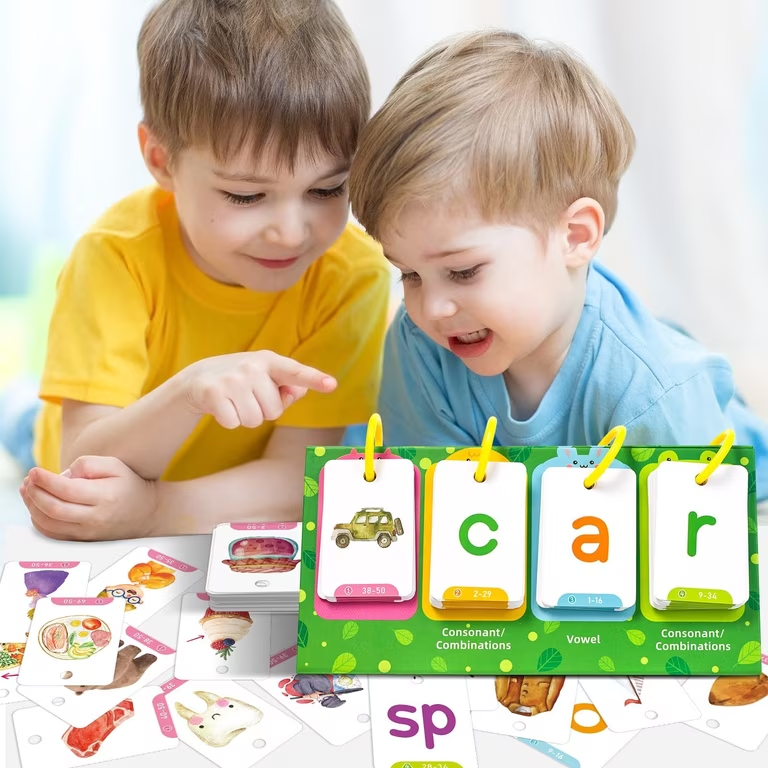
3. Build a Word
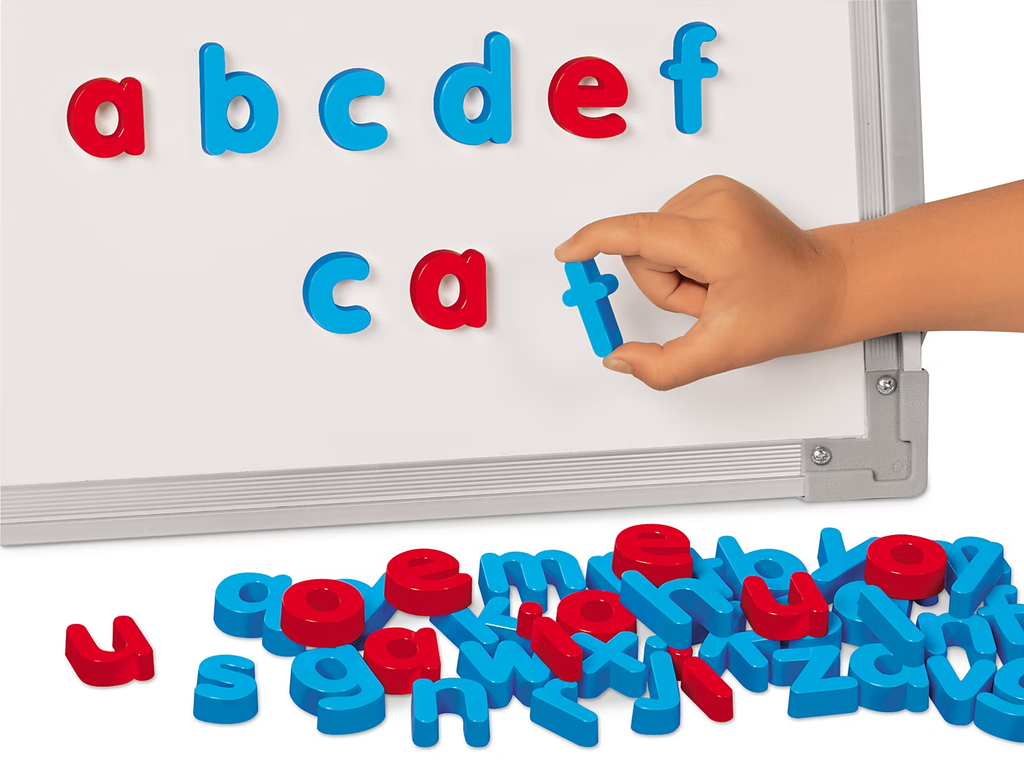
For this game, all you need are some letter cards, magnetic letters, or pieces of paper with letters written on them.
Start with a simple word such as cat. Have your child build the word and sound it out.
Then change one letter to make a new word:
cat → hat → hot → hop → pop
Talk through the sound that changes each time. This helps children connect individual letters with their sounds while also practicing blending.
You can make the game easier by using only short CVC words such as cat, map, sit, and sun. For children who are ready for more of a challenge, introduce blends, digraphs, or longer words.
If your child is working on becoming a more confident beginning reader, you can also pair these activities with books from our guide to the best books for beginning readers.
4. Phonics Bingo
Make a simple bingo board with letters, sounds, or words.
For a child who is just learning letter sounds, you might put letters on the board and call out their sounds. Your child covers the matching letter when they hear it.
For a more advanced reader, put simple words on the board and call out a word for the child to find.
You can also focus the entire game on one particular skill. For example, a short-vowel bingo game could include words such as cat, bed, pig, hot, and sun.
The goal is not to make the game complicated. A homemade board and a handful of small markers are enough.
5. Roll and Read
Turn phonics practice into a simple dice game.
Write six activities on a piece of paper, one for each number on a die:
- Read a CVC word
- Read a word with a short vowel
- Find a word with the /sh/ sound
- Read a word family
- Blend a word
- Choose a word and use it in a sentence
Your child rolls the die and completes the activity that matches the number.
You can change the activities as your child learns new phonics skills. This makes the game useful over time instead of being something you only play once.
6. Mystery Word
Choose a simple word and leave out one letter.
For example:
c_t
Give your child several possible letters and ask which one completes the word.
If the choices are a, i, and o, the child can try each sound and decide which word makes sense.
You can make the game more challenging by leaving out different letters or using words with blends and digraphs.
This is a good opportunity to encourage children to say the sounds aloud rather than simply guessing based on what the word looks like.
7. Phonics Hopscotch
Take a familiar outdoor game and add a reading element.
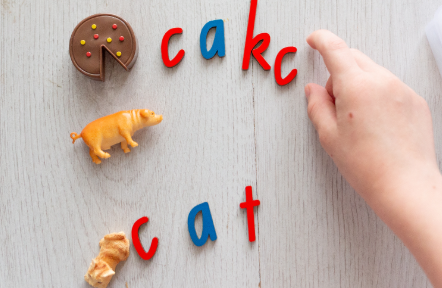
Write letters, sounds, or simple words in sidewalk chalk squares. As your child moves through the squares, have them say the sound or read the word they land on.
For example, you could create a short-vowel hopscotch game with words such as:
cat
bed
sit
hot
sun
For children who are still learning individual letter sounds, use letters instead of whole words.
This activity is particularly helpful for children who enjoy moving around while they learn. It can turn a few minutes of phonics practice into an active game.
8. Sound Swap
Sound Swap is a simple way to help children hear how changing one sound can create a completely different word.
Start with a word such as map. Ask your child to change the /m/ sound to /t/.
map → tap
Then change the /t/ to /c/.
tap → cap
Continue making small changes to create new words.
You can also give your child the letter cards and let them physically replace one letter each time.
This game helps children pay attention to individual sounds within words while reinforcing the connection between sounds and letters.
9. Word Detective
Turn your child’s reading book into a phonics scavenger hunt.
Choose one phonics pattern you are practicing and see how many examples your child can find while reading. If you are working on the -at word family, look for words such as cat, hat, and flat.
If you are practicing digraphs, look for words containing sh, ch, th, or wh.
Try not to interrupt the story every few seconds. Instead, you can choose a page or two for your word hunt, or look for examples before and after reading.
This gives children a chance to notice phonics patterns in real books instead of practicing them only on isolated word cards.
10. Make a Silly Sentence
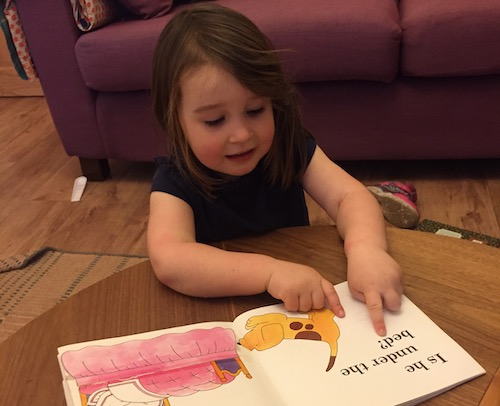
Give your child three or four words to read and then challenge them to make a funny sentence using all of them.
For example, you might choose:
frog
jump
red
Your child could create a silly sentence about a red frog that jumps.
The sentences do not have to make perfect sense. In fact, the sillier they are, the more fun this game can become.
The important part is that your child is reading the words and thinking about how they fit together. This gives phonics practice a connection to actual reading and language.
How to Make Phonics Practice More Effective
Games are helpful, but the most important thing is choosing activities that match what your child is currently learning.
If your child is still working on basic letter sounds, start there rather than jumping into complicated word patterns. Once those sounds become more familiar, you can begin practicing blending and simple words.
It is also helpful to encourage children to sound out unfamiliar words rather than immediately telling them the answer. Give them time to look at the letters, say the sounds, and blend them together.
Keep an eye on frustration, too. If a game becomes difficult enough that your child is guessing every word or getting upset, make it easier. You can always increase the difficulty later.
For additional guidance on reading comprehension and helping children understand what they read, you can also explore Reading Rockets’ guide to reading comprehension for parents.
Should Phonics Games Be Competitive?
Not necessarily.
Some children love competition, while others become frustrated when they feel like they are losing. There is no need to turn every phonics activity into a race or contest.
You can play many of these games cooperatively instead. Work together to find 10 words, build a silly sentence, or complete a word hunt.
If your child enjoys competition, simple challenges can be motivating. For example, you might see how many words you can find together in two minutes.
The important part is keeping the focus on practicing reading skills rather than winning.
Keep Phonics Practice Short and Consistent
Phonics practice does not have to take a long time to be useful.
A few minutes of focused practice can be easier for a young child to handle than a long session. You might play one quick game before reading a bedtime story, practice word families while eating a snack, or spend a few minutes building words after school.
Try to make the activities part of your normal routine rather than something that always requires a large block of extra time.
Most importantly, remember that phonics games should support reading, not replace it. Children need opportunities to use their phonics skills while reading actual books and other texts.
If you are looking for book ideas, choosing books that match your child’s current reading ability can make independent reading practice much more manageable.
You can keep these phonics games for kids in your regular reading routine and switch between activities depending on the skills your child is practicing.
Final Thoughts
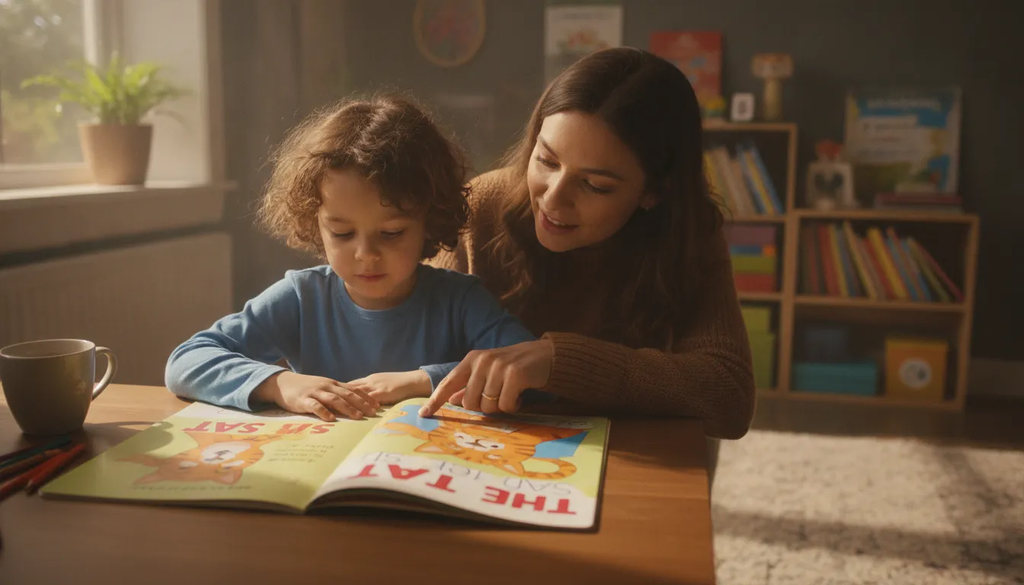
Phonics practice is an important part of learning to read, but it does not always have to look like traditional schoolwork. Simple games can give children extra opportunities to work with sounds, letters, word patterns, and new words while keeping practice enjoyable.
Try a few different phonics games and see which ones your child responds to best. Some children may love building words with letter cards, while others may prefer an active game like phonics hopscotch or a scavenger hunt.
The best activity is often the one your child is willing to play again tomorrow.
FAQ: Phonics Games for Kids
What are the best phonics games for kids?
The best phonics games are activities that match a child’s current reading skills and give them plenty of opportunities to practice. Sound hunts, word family sorts, word-building games, bingo, and sound-swap activities can all be adapted for different ages and skill levels.
What age should kids start playing phonics games?
Children can begin simple phonics activities when they start learning letter names and sounds, often during preschool or kindergarten. The activities should become more challenging as children develop their reading skills.
How long should a phonics game last?
There is no single amount of time that works for every child. For young readers, short activities of around 5 to 15 minutes can be easier to manage, especially when they are practicing a new skill.
Can phonics games help struggling readers?
Phonics games can provide additional practice with sounds and word patterns, which may be helpful for children who are having difficulty with early reading skills. However, children who are consistently struggling with reading may also benefit from support from a teacher, reading specialist, or other qualified professional.
What phonics skills should kids practice first?
Children generally begin by learning letter sounds and then move toward blending sounds together to read simple words. As they progress, they can practice short vowels, word families, blends, digraphs, and more advanced spelling patterns.
Do phonics games replace reading books?
No. Phonics games are best used alongside regular reading. Games give children focused practice with specific skills, while books give them opportunities to use those skills in meaningful reading.