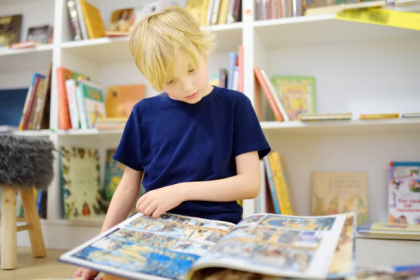

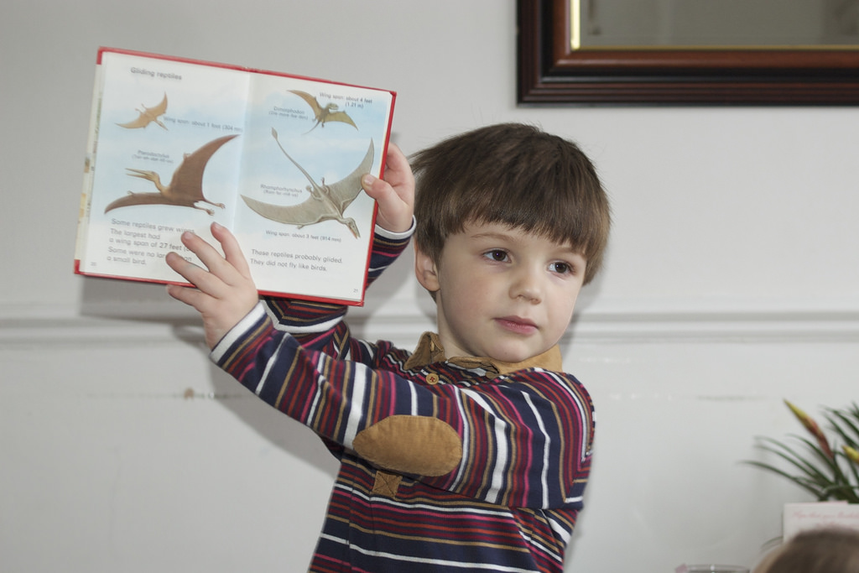
Nonfiction reading for kids can be a great way to turn a child’s natural curiosity into a reason to read. Stories are wonderful, but children can also become completely absorbed in books about animals, space, dinosaurs, sports, science, history, nature, and all kinds of real-world topics.
For some children, nonfiction is actually what makes reading exciting. A child who does not want to read a fictional story might happily spend twenty minutes learning about sharks, volcanoes, insects, cars, or their favorite sport.
The key is finding nonfiction that connects with a child’s interests and giving children opportunities to explore the information without making every book feel like a school assignment.
If your child is not naturally drawn to nonfiction, there are plenty of simple ways to make these books more interesting and inviting.
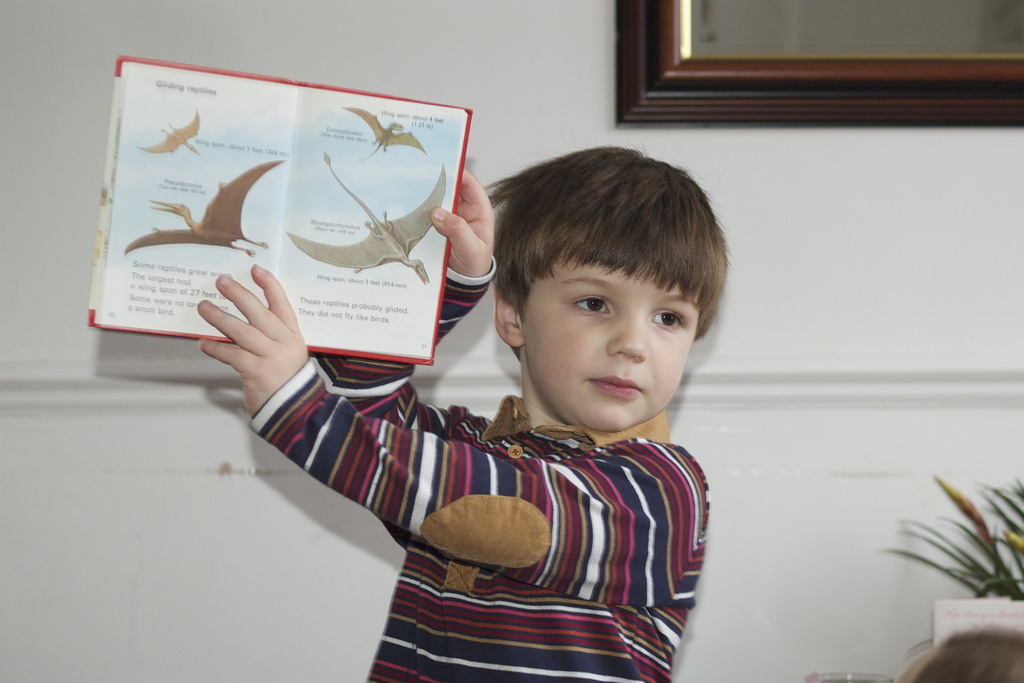
Why Is Nonfiction Reading Important for Kids?
Nonfiction books give children opportunities to learn about the world while practicing important reading skills.
When children read informational books, they encounter new vocabulary, facts, photographs, captions, headings, diagrams, maps, labels, and other features that they may not find in a typical storybook.
Nonfiction also gives children a reason to read when they are naturally curious about a subject. A child who wants to know how volcanoes erupt may be much more motivated to read about volcanoes than to read a book chosen simply because it is considered appropriate for their age.
Reading nonfiction can also help children practice finding and remembering important information. They may need to compare facts, identify the main idea, explain something they learned, or use information from different parts of a book.
These are useful reading skills, but they do not have to be practiced only through worksheets. A good nonfiction book can give children a natural reason to use them.
Start With Your Child’s Interests
One of the easiest ways to encourage nonfiction reading is to start with something your child already loves.
Think about the questions your child asks during everyday life.
Are they fascinated by animals? Look for books about their favorite species. Do they love space? Try books about planets, astronauts, or the solar system. Are they constantly asking how machines work? Find books about cars, construction equipment, airplanes, or inventions.
You do not have to choose a topic because you think it sounds educational. If your child is genuinely interested in it, that interest can become the motivation to read.
A child’s current obsession may also change quickly, and that is completely fine. One month they might want to learn everything about sharks and the next month they might move on to dinosaurs. Follow the curiosity.
Sometimes the subject that seems random to an adult is exactly what gets a child excited about picking up another book.
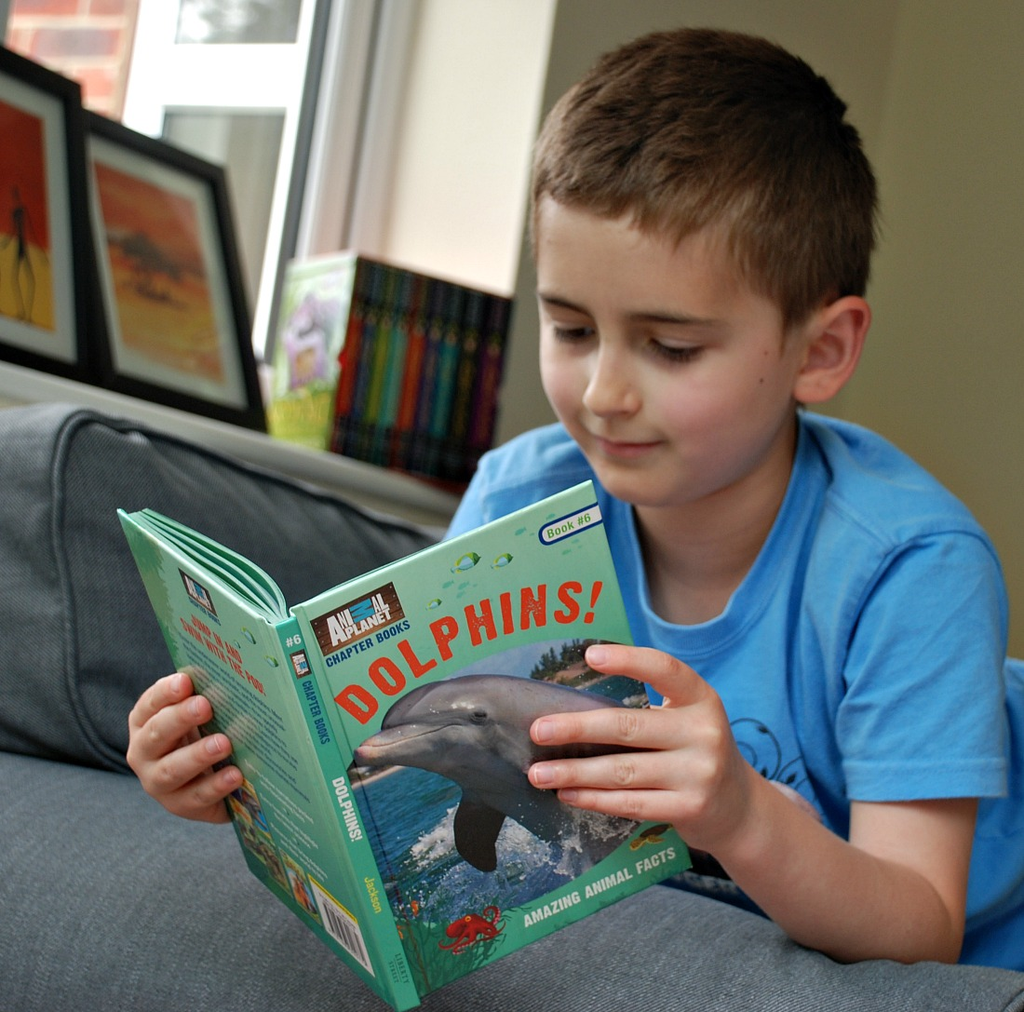
Let Kids Choose Their Nonfiction Books
Giving children some control over what they read can make reading feel more personal.
Instead of handing your child one nonfiction book and asking them to read it, put several choices in front of them. Let them look at the covers, flip through the pages, and decide which topic catches their attention.
This can be especially helpful when children are still developing confidence as readers. A child may be much more willing to work through a challenging page when they chose the topic themselves.
Libraries are particularly useful for this. Children can explore different sections, pick up books that catch their eye, and discover subjects they may not have considered before.
You can also use digital reading libraries to explore different topics without needing to buy every book. Sometimes a child discovers a new interest simply because they happened to come across a book about something unfamiliar.
If you are unsure whether a particular book is appropriate for your child’s reading ability, you can also learn how to tell if a book is the right reading level for your child.
Do Not Worry if Kids Read Only One Part of the Book
Children do not always need to read a nonfiction book from beginning to end.
A child might open a book about animals and immediately turn to the pages about sharks. Another child might spend several minutes looking at photographs and captions before reading the main text.
That can still be meaningful reading.
Nonfiction books are often designed to be explored in different ways. Children can read a page, study a diagram, look at a caption, learn a new word, and then move to another section.
As children become more experienced readers, they can learn how different parts of nonfiction books work together to communicate information.
For younger readers especially, exploring a book this way can be a good introduction to informational texts. They are learning that books can be used to answer questions and find specific information, not just read from the first page to the last.
Show Kids How Nonfiction Books Work
One reason nonfiction can seem difficult to young readers is that informational books are organized differently from many storybooks.
Instead of simply following characters through a beginning, middle, and end, children may encounter headings, captions, diagrams, labels, charts, maps, glossaries, and other features.
You can help by pointing these features out as you read together.
For example, you might say, “Let’s look at this heading. What do you think this section will be about?”
Or you might ask, “The picture has a caption. What extra information does it give us?”
You do not need to turn this into a formal lesson every time. A quick conversation can help children understand why the feature is there and how it can help them.
Some common nonfiction text features include:
- Headings
- Photographs
- Captions
- Diagrams
- Maps
- Labels
- Charts and tables
- Tables of contents
- Glossaries
- Indexes
- Bold or highlighted words
As children become familiar with these features, they can start using them independently when they need to find information.
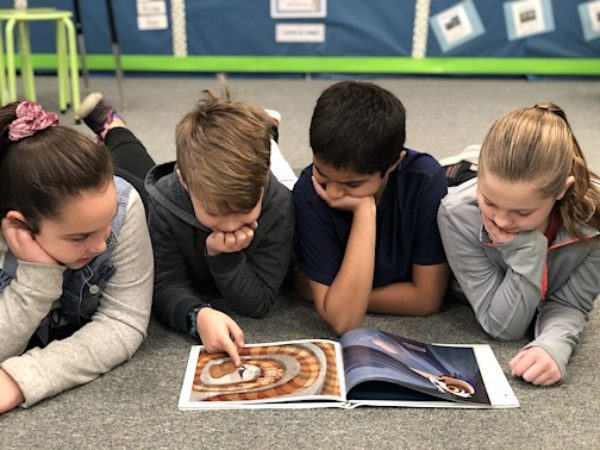
Ask Questions Before, During, and After Reading
Questions can turn nonfiction reading into an active conversation.
Before reading, look at the cover and pictures together. Ask what your child already knows about the topic and what they would like to find out.
While reading, stop occasionally to talk about something interesting or surprising.
After reading, ask your child to explain something they learned in their own words.
The questions do not need to feel like a test. In fact, some of the best questions are simply questions you would naturally ask because you are interested in what your child just read.
Try questions such as:
- What was the most interesting thing you learned?
- Did anything surprise you?
- What do you still want to know?
- Which part of the book would you like to read again?
- Can you explain that fact to me?
- What do you think the author wanted us to understand?
These conversations can make reading feel more social and give children a reason to pay attention to the information.
You can also find more ideas in our guide to reading comprehension questions for kids.
For additional guidance on helping children understand informational texts, Reading Rockets also offers resources for parents and educators.
Connect Books to Real Life
Nonfiction becomes much more memorable when children can connect what they read to something they see or experience in the real world.
Reading about insects? Go outside and look for bugs.
Reading about the moon? Look at the night sky together.
Reading about cooking? Try making a simple recipe.
Reading about dinosaurs? Visit a natural history museum or explore a dinosaur exhibit.
Reading about plants? Grow something together and compare what you observe with what the book explains.
The activity does not have to be elaborate. Even a short conversation can help children connect information from a book to the world around them.
This is one of the biggest advantages of nonfiction reading. A book can be the starting point for a much larger learning experience.
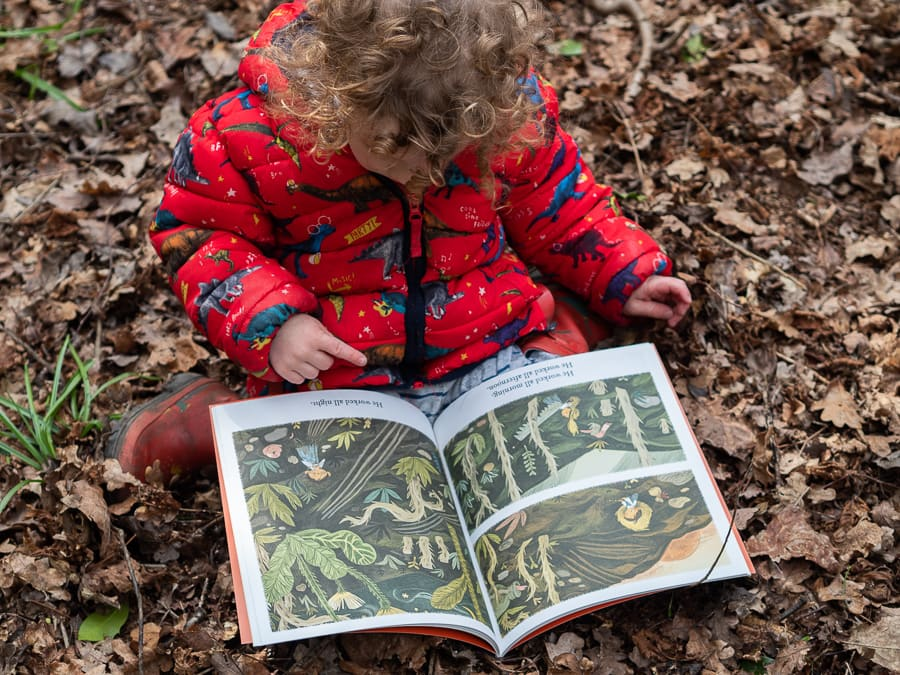
Mix Fiction and Nonfiction
Children do not have to choose between fiction and nonfiction.
In fact, pairing the two can be a great way to make reading more interesting.
After reading a fictional story about an animal, you could read a nonfiction book about that animal. After reading a story about space, explore an informational book about planets or astronauts.
This gives children a chance to see the difference between storytelling and factual information while staying with a topic they already enjoy.
For example, a child might read a fictional story about a bear and then want to learn what real bears eat, where they live, and how they prepare for winter.
One book can naturally lead to another.
Read Nonfiction Together
You do not always have to leave nonfiction reading to independent reading time.
Reading an informational book together gives you opportunities to model how experienced readers approach unfamiliar information.
You can wonder aloud about a heading, look at a diagram together, explain an unfamiliar word, or go back to a previous page to find a fact.
For younger children, reading nonfiction aloud can also introduce vocabulary and concepts that may be too difficult for them to read independently.
As children get older and become more confident readers, they can gradually take over more of the reading themselves.
Reading together also gives you a chance to notice what your child finds interesting. If they suddenly stop and ask three questions about one photograph, that may be a sign that you have found a topic worth exploring further.
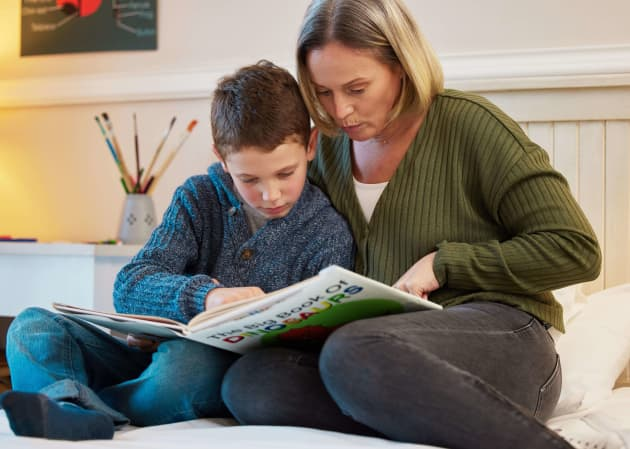
Let Kids Talk About What They Learn
Some children become much more interested in nonfiction once they have someone to share their new knowledge with.
If your child tells you an unusual fact they learned, give them a chance to explain it. Ask a follow-up question. Encourage them to teach you something.
You do not need to correct every small mistake or turn the conversation into a quiz.
The goal is to help children see that reading can give them interesting things to think about and talk about.
A child who proudly explains everything they know about sharks, dinosaurs, planets, trains, or soccer may already be developing a strong connection between reading and curiosity.
That excitement is worth encouraging.
Make Room for Books That Are Just Interesting
Not every nonfiction book needs to be connected to a school project or learning goal.
Children can read nonfiction simply because they think a topic is fascinating.
A book about unusual animals, strange inventions, famous athletes, space missions, extreme weather, or the world’s biggest buildings may not fit neatly into a lesson, but it can still encourage reading.
Sometimes the most valuable book is the one that makes a child say, “Wait, I want to know more about that.”
That curiosity can lead to another book, another question, and eventually another reason to read.
How to Choose Good Nonfiction Books for Kids
When choosing nonfiction for a child, look for books that are interesting, understandable, and appropriate for their current reading skills.
Choose Engaging Topics
Start with subjects your child already enjoys or questions they have recently asked.
If you are not sure what interests them, let them browse. You may learn more about their interests simply by watching which books they pick up.
Look for Clear Organization
Headings, photographs, captions, diagrams, and other text features can make informational books easier to explore.
For younger readers, strong visual support can also make unfamiliar information easier to understand.
Consider the Reading Level
A book can be interesting but still too difficult for a child to read independently.
That does not mean you need to put it back. A challenging nonfiction book can be an excellent choice for shared reading.
The important thing is to distinguish between a book a child can read alone and a book they can enjoy with some support.
Choosing books that match your child’s interests and reading ability can make nonfiction reading for kids feel much more enjoyable.
Look for Accurate Information
Choose books from trustworthy publishers and authors, especially when children are learning factual information.
For older children, you can also encourage them to compare information from more than one source when they are researching a topic.
Do Not Ignore Visual Appeal
Photographs, illustrations, diagrams, and interesting page layouts can make nonfiction much more inviting for young readers.
A child may initially choose a book because of a photograph on the cover or an interesting picture inside. That is perfectly fine. The visual element can be what gets them to open the book in the first place.
Nonfiction Reading for Kids Does Not Have to Feel Like Homework
One of the best ways to encourage nonfiction reading is to take away some of the pressure.
Children do not need to write a report about every book they read. They do not need to memorize every fact. They do not even need to finish every book they start.
Give them opportunities to browse, explore, ask questions, and follow their interests.
A child who discovers that books can answer their questions may begin looking for books independently. That is a valuable habit that can continue well beyond elementary school.
You can keep nonfiction reading for kids connected to everyday curiosity rather than making it another assignment. A question at breakfast can lead to a book after school, and a surprising fact in that book can lead to another question the next day.
That kind of natural curiosity is exactly what you want to encourage.
Final Thoughts
Nonfiction reading for kids can be a great way to build reading skills while encouraging curiosity about the world.
Start with topics your child already enjoys, give them choices, and let them explore books in different ways. Read together when a book is challenging, talk about interesting facts, and connect what they read to real life whenever possible.
Most importantly, remember that nonfiction does not have to feel like schoolwork. A book can simply be a way for a child to learn something they genuinely want to know.
Once children discover that reading can help them answer their own questions, nonfiction books can become some of the most exciting books on the shelf.
FAQ: Nonfiction Reading for Kids
What is nonfiction reading for kids?
Nonfiction reading involves reading books and texts that provide factual information about real people, places, animals, events, ideas, or subjects. Children’s nonfiction can include science books, biographies, history books, informational picture books, and many other types of books.
Why is nonfiction reading important for children?
Nonfiction gives children opportunities to learn new information while practicing reading skills such as finding important details, understanding vocabulary, identifying main ideas, and using text features.
How can I get my child interested in nonfiction books?
Start with topics your child already enjoys. Animals, sports, space, science, history, nature, and hobbies can all be good starting points. Letting children choose between several books can also make them more interested in reading.
Should children read nonfiction books from beginning to end?
Not always. Nonfiction books can be explored in many different ways. Children may read specific sections, study photographs and diagrams, or jump between topics that interest them. They do not always need to read every page in order to get something valuable from the book.
Is nonfiction harder for kids to read than fiction?
Nonfiction can sometimes be more challenging because it may contain unfamiliar vocabulary, complex concepts, and text features that children need to learn how to use. Reading nonfiction together can help children become more comfortable with these features.
Can nonfiction books help improve reading comprehension?
Yes. Nonfiction gives children opportunities to practice identifying important information, making connections, learning new vocabulary, and explaining what they have learned. Talking about the text together can provide additional comprehension practice.